36 W 47th St, Booth W07, New York, NY 10036Mon–Fri: 10:00 AM – 6:00 PM
36 W 47th St, Booth W07, Diamond District
Mon–Fri: 10:00 AM – 6:00 PM (Walk-ins Welcome)
Licensed NYC Buyer • Free Precision Appraisal
Manhattan Diamond District Gemstone Specialist

Sell Colored Gemstones in NYC

Buyers of NYC evaluates loose and mounted colored gemstones at our Manhattan Diamond District office, including sapphires, rubies, emeralds, alexandrite, spinels, tourmalines, aquamarines, garnets and fine gemstone jewelry. Our gemological evaluation examines species identity, color nuance (hue, tone, saturation), clarity, cut proportions, treatment status, accompanying laboratory reports and current secondary-market demand before determining whether an outright purchase offer can be made.

A purchase evaluation is free and carries no obligation to sell. Bring your gemstones or jewelry as found, together with any laboratory reports (GIA, AGL, Gübelin, SSEF), prior appraisals, sales receipts or original presentation boxes. Appointments are preferred, and walk-ins are welcome during published business hours.
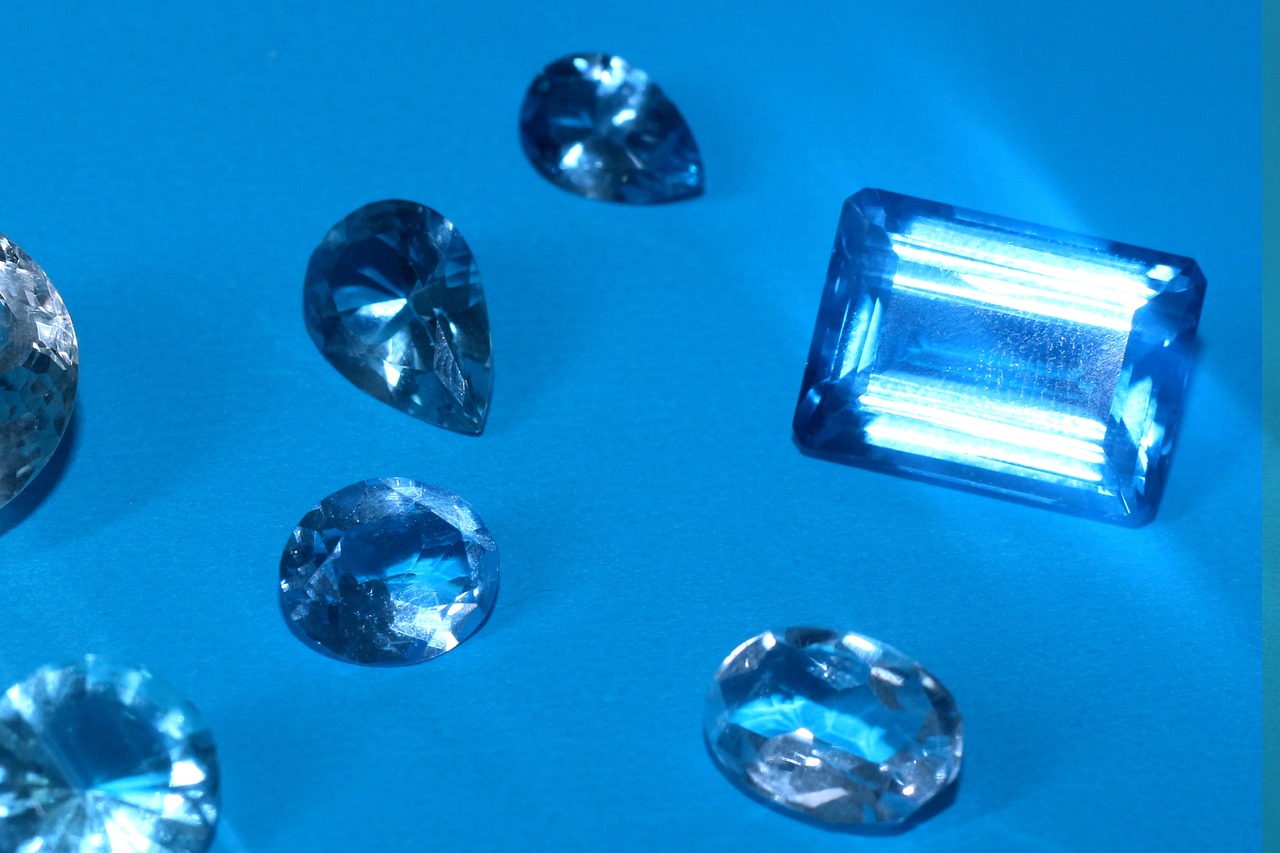

Sell Colored Gemstones in NYC - Buyers of NYC Appraisal Suite
LICENSED & CERTIFIED IN NEW YORK CITY

Licensed, Bonded & Certified NYC Gemstone & Fine Jewelry Buyer

FREE & CONFIDENTIAL EVALUATION

Why Sellers Choose Buyers of NYC for Colored Gemstones

GIA-Trained Gemologists

Every ring is reviewed in-person by certified gemologists using professional diamond grading microscopes, colorimeters, and high-precision electronic balances.

Complete-Piece Evaluation

We assess the principal center stone, side diamonds, fine platinum/gold settings, and designer signatures together rather than treating the piece merely as scrap metal.

Private & Respectful

Evaluations are conducted in a secure, discrete Midtown office. We never inquire about emotional circumstances, divorce, or reasons for selling.

Immediate Settlement

Receive a transparent, no-obligation purchase offer with immediate payment via same-day wire transfer, company check, or cash upon acceptance.

Category Directory

What Colored Gemstones May Be Considered?

We evaluate all styles, designs, and formats across antique, vintage, and contemporary eras.

What Colored Gemstones May Be Considered?
MANHATTAN EVALUATION CENTER

Colored Gemstone Varieties & Jewelry Types

01

Sapphires — Blue, Padparadscha & Fancy Colors

Sapphire (Corundum)
Representative items

Royal blue, cornflower blue, padparadscha, pink, yellow, purple, and green sapphires from Ceylon (Sri Lanka), Burma, Madagascar, and Kashmir.

Important review questions

Color saturation and tone, heat treatment vs unheated status, color zoning, transparency, crystal inclusion suites, and independent laboratory origin reports.

Request an Evaluation
02

Rubies — Pigeon’s Blood & Vivid Red

Ruby (Corundum)
Representative items

Burmese, Mozambican, and Madagascar rubies, loose stones, star rubies with sharp asterism, and high-jewelry ruby rings and bracelets.

Important review questions

Vivid red hue with purplish or orangey secondary components, heat status, lead-glass / fracture filling disclosures, transparency, and origin documentation.

Request an Evaluation
03

Emeralds — Colombian, Zambian & Brazilian

Emerald (Beryl)
Representative items

Colombian (Muzo, Chivor), Zambian, and Brazilian emeralds, three-stone rings, emerald eternity bands, and vintage art deco brooches.

Important review questions

Hue intensity, natural jardin inclusion pattern, minor vs significant oil or resin clarity enhancement, surface-reaching fissures, and setting fragility.

Request an Evaluation
04

Alexandrite & Chrysoberyl Phenomenal Stones

Phenomenal Gems
Representative items

Color-change alexandrite (Russian, Brazilian, Sri Lankan) displaying daylight green to incandescent red shift, and cat’s-eye chrysoberyl.

Important review questions

Percentage and distinctness of color change, daylight vs incandescent color saturation, chatoyancy line sharpness and centering, and GIA/AGL reports.

Request an Evaluation
05

Spinel & Fine Tourmaline (Paraíba & Rubellite)

Spinel & Tourmaline
Representative items

Jeddah red, cobalt blue, and pink spinels, plus Rubellite, Indicolite, and copper-bearing Paraíba tourmalines from Brazil and Mozambique.

Important review questions

Refractive index confirmation, neon electric blue/green color saturation in Paraíba varieties, copper/manganese content testing, and inclusion visibility.

Request an Evaluation
06

Aquamarine, Morganite, Tanzanite & Garnets

Beryl & Garnet
Representative items

Fine Santa Maria aquamarine, peach-pink morganite, vivid blue-violet tanzanite, Tsavorite green garnet, Mandarin spessartite, and demantoid garnets.

Important review questions

Color saturation, pleochroism, horsetail inclusions in demantoids, heat stability, cutting brilliance, and facet integrity without abraded edges.

Request an Evaluation
07

Signed Designer & Period Gemstone Jewelry

Signed Jewelry
Representative items

Cartier, Tiffany & Co., Van Cleef & Arpels, Bulgari, David Webb, Oscar Heyman, Art Deco platinum suites, and Victorian/Edwardian period pieces.

Important review questions

Maker signatures, French assay eagle-head hallmarks, original designer provenance, pavé diamond quality, and complete-piece collector premiums.

Request an Evaluation
08

Estate Parcels, Mixed Lots & Historic Collections

Parcels & Estates
Representative items

Inherited jewelry collections containing multiple gemstones, loose matched suites, antique brooches, cabochon rings, and collector rough or mineral specimens.

Important review questions

Sorting by mineral species, physical triage under magnification, individual stone condition, setting metal assay, and total collection value realization.

Request an Evaluation
Colored Gemstone Species, Color Hue, Tone, and Saturation Examination
Gemological Science

Gemstone Species, Treatment Transparency & Origin Authority

Colored gemstone valuation requires precise scientific boundaries. Unlike diamonds with standardized scales, colored stones are defined by mineral species, color nuances, treatment disclosures, and recognized gemological reports:

01 Species & Growth

Natural vs. Synthetic & Simulant

Natural gemstones formed through geological processes carry primary collector value. Synthetic stones have identical physical properties but manufactured origin, while simulants merely imitate appearance.

Evaluation Standard: Natural origin is confirmed by optical properties, refractive index, and microscopic inclusion suites.
02 Treatment Status

Treatment Detection & Disclosure

Enhancements such as traditional heat, minor cedarwood oil, resin filling, glass filling, beryllium diffusion, or irradiation fundamentally affect durability, care, and market value.

Transparency Standard: Unheated sapphires and untreated emeralds command substantial premiums when verified by leading laboratories.
03 Lab Authority

Laboratory Reports & Origin Opinions

Geographic origin (e.g. Burma ruby, Kashmir sapphire, Muzo Colombian emerald) is an expert gemological opinion issued by premier independent laboratories (GIA, AGL, Gübelin, SSEF).

Documentation Policy: Bring all original laboratory reports and appraisals; numbers are verified directly with issuing institutions.
Valuation Methodology

How Is a Colored Gemstone Evaluated?

Evaluating fine jewelry requires examining interdependent value drivers rather than applying an arbitrary single number.

Gemstone Species, Optical Refractive Index, Hue, Tone, and Saturation Examination

1. Species Identity & Natural vs. Lab-Grown

Species Confirmation

Before evaluating value, the exact mineral species (e.g. corundum, beryl, chrysoberyl, spinel) is verified using optical refractive index (RI), specific gravity, and polariscope testing. Natural origin is distinguished from synthetic or simulant materials.

Identity Standard: Natural origin is verified by microscopic inclusion patterns and gemological instrumentation.

2. Color Triad: Hue, Tone & Saturation

Color Grading

Color is the primary value driver in colored gems. We evaluate primary hue, secondary color modifiers, tone (lightness to darkness), saturation (vividness vs grayishness), and evenness of color distribution without distracting zoning.
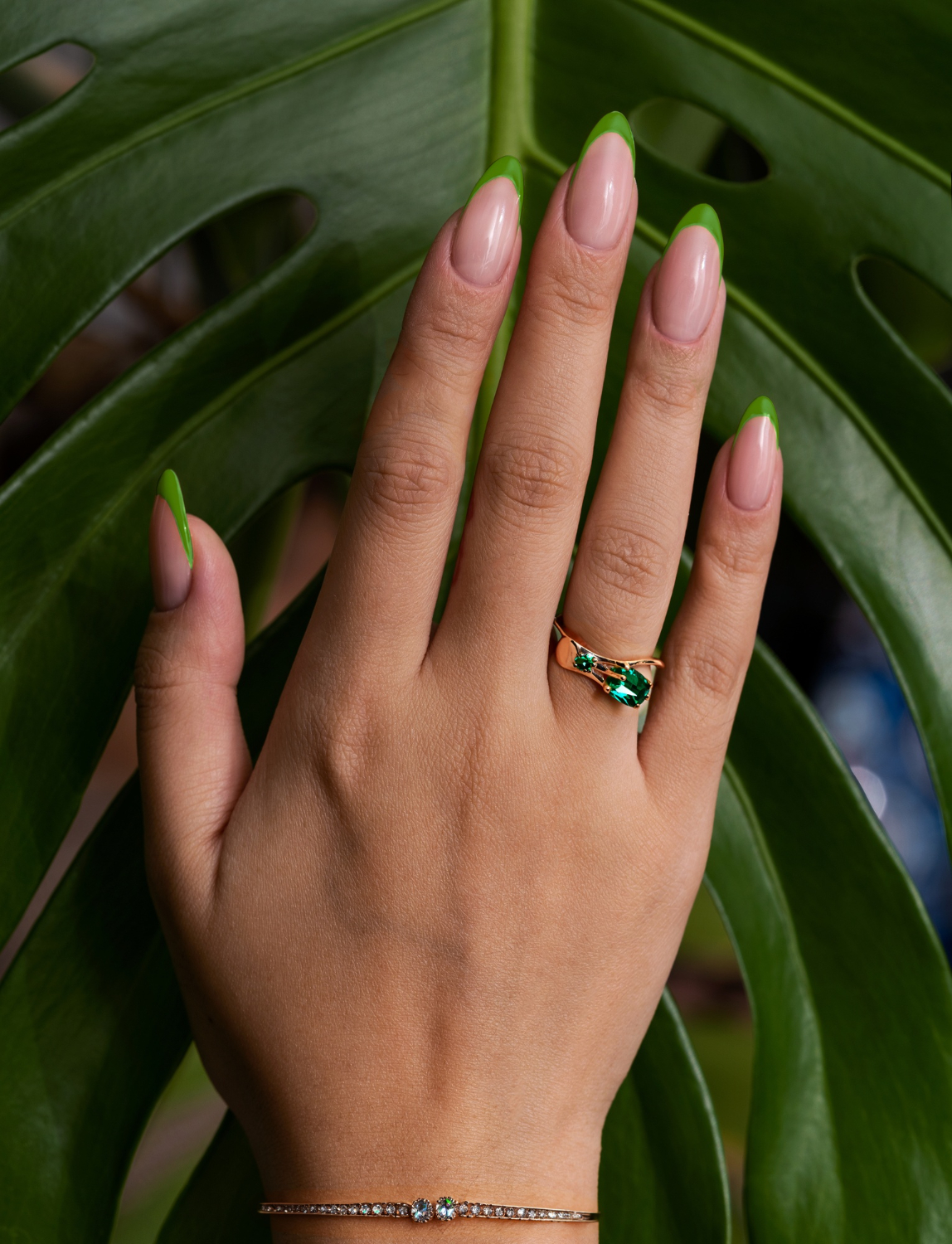
Color Nuance: Vivid, richly saturated gems with pure primary hues command the highest market premiums.
Colored Gemstone Clarity, Natural Inclusions, Heat Treatment, and Oiling Inspection

3. Carat Weight, Dimensions & Face-Up Spread

Size & Proportions

Gemstones are measured for millimeter dimensions, depth percentage, and face-up table spread. Per-carat prices rise geometrically as stone size crosses significant collector thresholds (e.g., 3ct, 5ct, 10ct+).

Measurement Rule: Mounted stones are measured with precise electronic leverage gauges; exact weights require loose review.

4. Clarity, Inclusions & Crystal Transparency

Clarity & Transparency

Unlike diamond VVS/VS scales, colored stones are judged on transparency and type-specific inclusion suites (Type I, II, III). We inspect for silk, fingerprint veils, color-zoning, and structural fissures that affect light reflection.
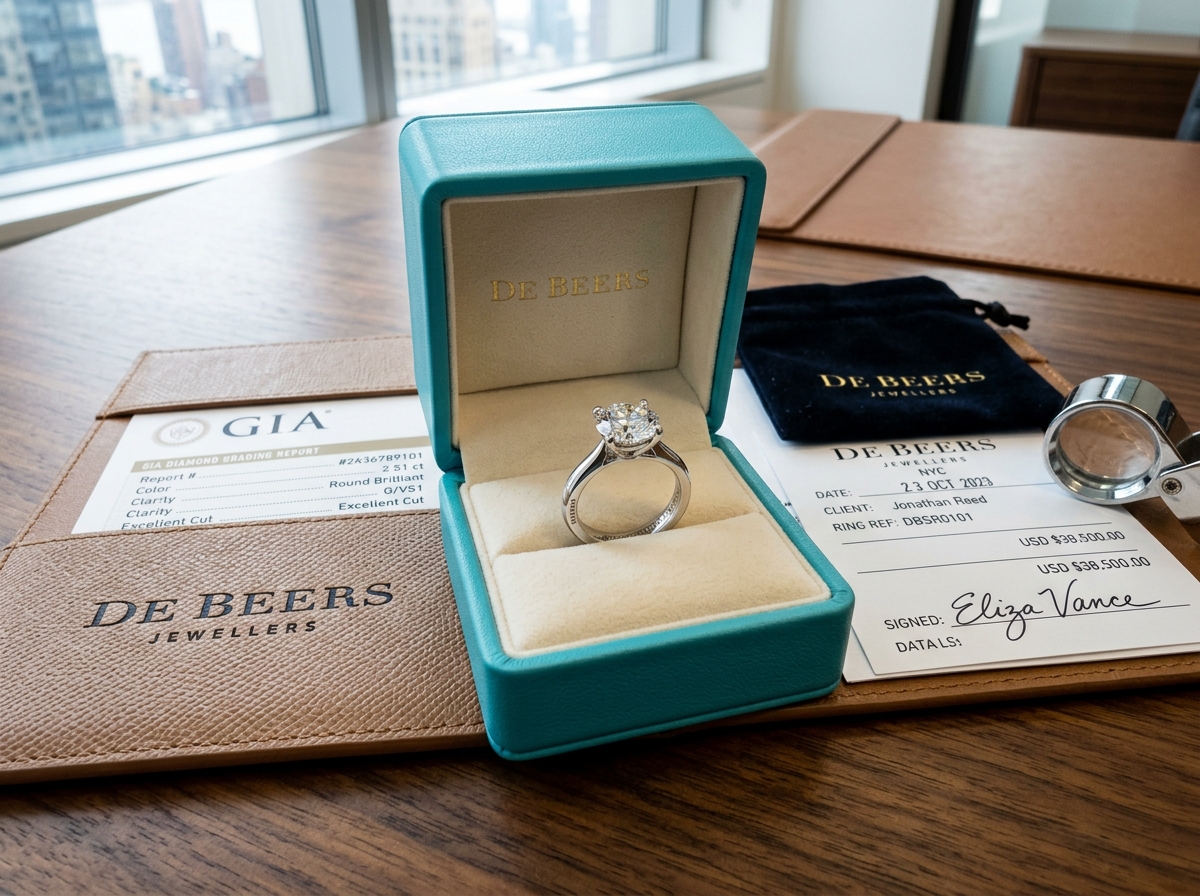
Inclusion Analysis: Microscopic inclusion suites provide vital diagnostic proof of natural origin and geographical provenance.
GIA, AGL, Gübelin, and SSEF Gemological Laboratory Reports Review with Masked Data

5. Cut Quality, Brilliance & Windowing

Cut Proportions

Proportions, symmetry, table spread, and facet alignment determine brilliance. We evaluate whether deep pavilions create dead centers or shallow cuts create ‘windowing’ where light leaks through without reflection.

Recut Potential: Fine native-cut stones with exceptional color may be evaluated for potential master recutting yield.

6. Treatment Status & Enhancement Severity

Treatment Disclosure

Heat treatment in corundum and clarity oiling in emeralds are standard trade practices, but unheated sapphires/rubies and untreated emeralds command substantial premiums. Severe treatments (diffusion, glass filling) are disclosed.

Treatment Premium: Unheated corundum and untreated emeralds require independent laboratory certification to realize full premiums.
Colored Gemstone Secondary Market Consultation and Executive Purchase Valuation in NYC

7. Laboratory Reports & Geographic Origin

Documentation Authority

Independent identification and origin reports from respected laboratories (GIA, AGL, Gübelin, SSEF, GRS) validate species, treatment, and historical origin (e.g. Kashmir sapphire, Burma ruby, Colombian emerald).

Report Verification: Laboratory reports are matched directly to stone measurements, inclusions, and weight.

8. Complete Jewelry Setting & Market Route

Secondary Market Route

We determine whether your gemstone yields highest return as fine mounted designer jewelry, a loose certified collector stone, a recut candidate, or component recovery. Payment is issued immediately on the spot.

Immediate Settlement: We present clear, transparent offers detailing the value of center stones, side diamonds, and precious metals.

Complete-Piece-First Evaluation Rule

Mounted colored gemstones should be screened as complete jewelry pieces before any stone removal or scrap melt assessment. Fine signed jewelry, antique mountings, calibrated suites and period designs often command significantly higher collector value intact than as separated components.


Mounted Jewelry vs. Loose Gemstone Handling

Never attempt to unmount a colored gemstone from its setting before an evaluation. Unskilled removal can chip fragile girdles, crack emerald corners, or damage antique platinum prongs. Bring the piece intact.

Safe Practice: Bring mounted jewelry as found. Our gemologists evaluate stones securely in their original settings.

Cleaning & Chemical Care Advisory

Do not clean gemstones with ultrasonic cleaners, steam, acid, bleach, or harsh chemical dips when species or treatments are uncertain. Emeralds, opals, and treated stones can shatter or lose oil enhancers under thermal shock.

Caution: Wipe gently with a clean microfiber cloth only. Avoid all chemical dips and heat sources.
Document Comparison

Gemstone Documentation: Independent Laboratory Reports vs. Prior Appraisals

Understanding gemological documentation helps establish realistic market value and verify stone authenticity:

All documentation is carefully matched with physical stone metrics at our Manhattan Diamond District office.

Independent Laboratory Reports

Scientific testing from premier gemological institutes establishing species, treatments, and origin.

Gemological Laboratory Identification Report
Scientific Identification

An official report issued by GIA, AGL, Gübelin, or SSEF certifying mineral species, natural vs synthetic origin, and detectable treatments.

Important Note: Laboratory reports identify material characteristics and treatments; they do not set a financial retail or purchase value.

Geographic Origin Opinion Report
Origin Certification

An expert laboratory determination of geographic origin (e.g., Burma, Ceylon, Colombia, Madagascar) based on chemical fingerprinting and spectroscopy.

Important Note: Origin opinions apply only to qualifying natural gemstones and support collector premiums when backed by leading gemological institutes.

Prior Insurance Appraisals & Receipts

Retail receipts, insurance schedules, and historical replacement estimates.

Retail Insurance Replacement Appraisal
Insurance Estimate

A document prepared for insurance coverage reflecting high-end hypothetical retail replacement costs including retailer markups.

Important Note: Insurance appraisals do not reflect secondary-market liquidation cash value or immediate purchase offers.

Original Sales Receipts & Designer Boxes
Provenance Support

Original purchase invoices from luxury jewelry houses (Cartier, Tiffany, Van Cleef) and original presentation packaging.

Important Note: Receipts and packaging verify purchase provenance and retail history, enhancing secondary-market desirability.

Channel Comparison

How to Compare Colored Gemstone Offers

Ask whether the buyer identified the exact species and natural/lab-grown status; whether treatments were scientifically considered; how color, clarity, and cut were assessed; which laboratory records were credited; and which payment methods are available:

Auction Houses

15-25% Commissions • 3-6 Month Delay
Potential Advantages

Potential exposure to international collectors for rare unheated Kashmir sapphires, vivid Burma rubies, or major museum-grade Colombian emeralds.

Risks & Questions to Ask

Substantial seller commissions (10-20%), cataloging fees, mandatory laboratory re-testing charges, 3 to 6-month payout delays, and risk of unsold lot stigmatization.

Online Consignment Platforms

10-18% Platform Take • Shipping Risk
Potential Advantages

Broad digital marketplace listing without in-person visit requirements if you are comfortable with insured mail shipping.

Risks & Questions to Ask

Consignment platform commissions, shipping/transit loss risks, buyer return windows of 14-30 days, dispute exposure, and delayed payouts.

Pawnshops & Generic Gold Buyers

Scrap-Level Pricing • Low Gemology Knowledge
Potential Advantages

Local neighborhood convenience if immediate quick cash is required without regard to gemstone rarity.

Risks & Questions to Ask

Lack of specialized gemological testing instruments, disregard of gemstone value (only paying for scrap gold/platinum), and failure to recognize unheated or fine origin premiums.

Step-by-Step Guidance

How the Colored Gemstone Purchase Evaluation Works

A transparent, 5-step in-person evaluation designed to provide gemological clarity, security, and immediate liquidity:

Step 01

Share Basic Details

Share details about your piece and any available reports, receipts, appraisals, or brand packaging.

Step 02

Plan Your Visit

Visit Buyers of NYC in Manhattan’s Diamond District. Walk-ins are welcome; appointments guarantee dedicated attention.

Step 03

Itemized Inspection

Stone origin, 4Cs grading, articulation, and precious metal purity are evaluated directly in your presence.

Step 04

Review Purchase Offer

We provide a clear, itemized purchase offer explaining how each component contributes to total value.

Step 05

Immediate Settlement

If you accept, receive immediate payment via wire transfer, company check, or cash on the spot.

Our Specialists

Meet Our Gemological Evaluation Team

Visit our Manhattan Diamond District office to meet with our GIA-trained gemologists and experienced jewelry specialists for a private, no-obligation evaluation.

Savannah Nguyen

Head of Precious Metals

Cody Fisher

Head of Fine Jewelry

Leslie Alexander

Head of Watches

Jacob M.

Head of Diamonds & Precious Stones

Frequently Asked Questions

Colored Gemstone Evaluation FAQs

What colored gemstones do you buy?

Buyers of NYC may review sapphires, rubies, emeralds and other eligible colored gemstones, loose or mounted. Acceptance depends on identity, size, quality, treatment, condition, documentation and current market demand.

Do you buy gemstones without laboratory reports?

A stone can still be reviewed without a report, but identity, treatment and origin may remain uncertain. Some items may require qualified laboratory analysis before a final market route can be determined.

Does Buyers of NYC grade colored gemstones?

The company provides a purchase evaluation, not a universal colored-stone grade. There is no broadly accepted universal grading system for colored stones, and official identification or origin reports belong to qualified laboratories.

Can you identify a gemstone from a photograph?

Photographs can help with preliminary routing but cannot conclusively establish identity, natural or laboratory-grown status, treatment, origin, exact color, internal condition or a binding offer.

Do you buy mounted gemstones?

Mounted stones may be reviewed, but the setting can limit exact weight and observation. The complete jewelry piece—including metal, maker, design, diamonds and condition—may also matter.

Should I remove the stone from its setting?

No. Bring the item as found unless a qualified professional has already removed it for another reason. Unnecessary removal can damage the stone or setting and may reduce complete-piece value.

Do treatments make a gemstone worthless?

Not necessarily. Treatments are common in parts of the colored-stone market, but type, detectability, stability, disclosure, care needs and market acceptance vary by gemstone.

Does an unheated gemstone always receive a premium?

No. Unheated status can matter for some gemstones, but color, transparency, size, cut, origin evidence, condition and current demand still affect the market. The claim should be supported by a suitable laboratory report.

Does geographic origin determine value?

Origin can matter for selected natural gemstones, but it is not always determinable and does not automatically create a premium. Overall quality, treatment and market demand still matter.

Do you buy laboratory-grown colored gemstones?

The active purchase policy should be confirmed under P3. Laboratory-grown stones must be described clearly and should not be represented as natural.

Do you buy rough gemstones or parcels?

Rough and parcels require advance review because identity, quantity, sorting, safety and marketability can differ substantially. Call before transporting them.

Do you buy pearls, coral or amber?

These are organic gem materials rather than mineral gemstones. Their acceptance should be confirmed under the active P3 policy; they may also be reviewed as part of complete jewelry.

Is a prior insurance appraisal the same as a purchase offer?

No. An insurance appraisal commonly addresses replacement value for a particular purpose and date. A purchase offer reflects what a buyer may pay now for an outright transaction.

Is the evaluation free?

Yes. The purchase evaluation is free and carries no obligation to accept an offer. It is not a formal appraisal, laboratory report or guarantee that an offer will be made.

Start Your Evaluation

Visit Buyers of NYC in Manhattan’s Diamond District

Buyers of NYC is located at 36 W 47th Street, Booth W07, New York, NY 10036, in Manhattan’s Diamond District. Current published hours are Monday – Friday: 10:00 AM – 6:00 PM. Appointments are preferred and walk-ins are welcome during published hours.

Manhattan Office

36 W 47th Street, Booth W07
New York, NY 10036
(Between 5th & 6th Avenues)

Hours of Operation

Monday – Friday: 10:00 AM – 6:00 PM
Appointments preferred; walk-ins welcome

Direct Phone & Email

Phone: 646-400-4553
Email: buyersofnyc1@gmail.com

For unheated Ceylon/Burma sapphires, Colombian emeralds, Burmese rubies, or estate gemstone suites, calling 646-400-4553 in advance reserves dedicated time with our senior gemological appraisal specialists.

Request a Colored Gemstone Evaluation

Describe your loose or mounted colored gemstone (Sapphire, Ruby, Emerald, Alexandrite, carat weight, origin, lab reports, and metal setting).

Laboratory Report Guidance: Independent reports from GIA, AGL, Gübelin, or SSEF provide authoritative origin and treatment identification. Preliminary online reviews do not constitute formal appraisals or gemological certifications.

Reviewed by Buyers of NYC Gemological Evaluation Team Last reviewed August 2026 | Manhattan Diamond District