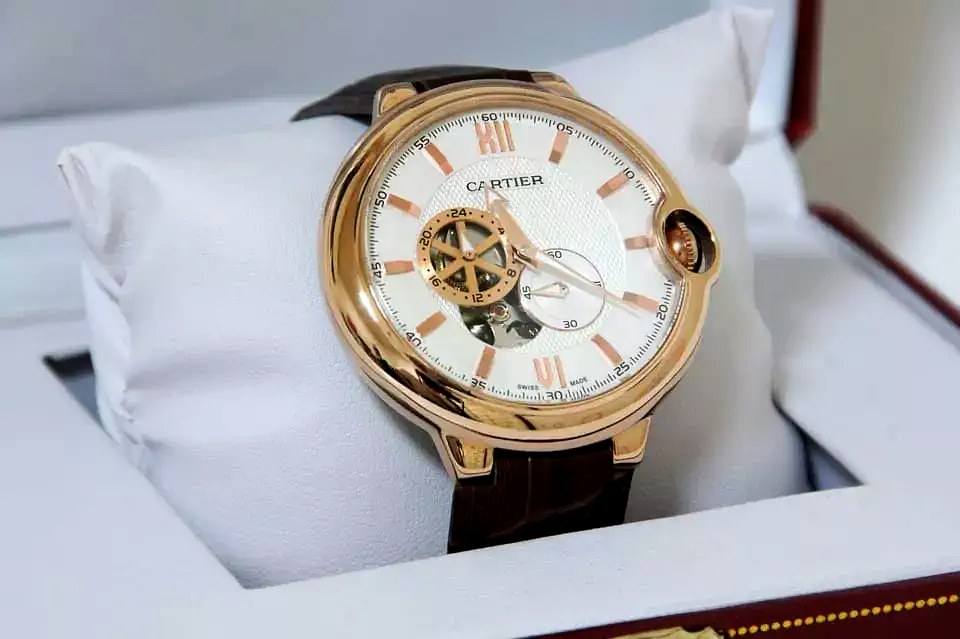
Buyers of NYC buys eligible customer-owned precious metals, coins and bullion, diamonds, colored gemstones, fine and estate jewelry, signed jewelry and luxury watches. The team reviews individual items, collections, new or pre-owned property, and many pieces that are broken, damaged, altered or incomplete.
Use this page to choose the closest category, learn what information can help, and request a free, no-obligation purchase evaluation at the Manhattan Diamond District office.
Direct outright purchase evaluations across gold, silver, platinum, coins, diamonds, colored gemstones, estate jewelry, and luxury timepieces.
Precision XRF precious metal spectrometry and darkfield gemological microscopy to identify purity, treatment status, and weight accurately.
We screen each item to determine whether its maximum value lies in recoverable metal content, complete estate jewelry, collector numismatics, or secondary watch demand.
Free in-person purchase evaluation in our secure Diamond District office with immediate wire transfer, company check, or cash funding upon agreement.
Explore the active purchasing scope across our 8 primary commercial categories. Click any category to learn specific valuation drivers or request an evaluation.
Gold jewelry, scrap gold, gold bars, gold coins, sterling silver, silver bars/coins, platinum and palladium jewelry/bullion.
Evaluated for metal fineness (10K–24K, 925, 950, 999), exact weight, non-metal components, maker, stones, and scrap vs. jewelry route.
Government-issued bullion coins (American Eagles, Krugerrands, Maple Leafs), privately minted rounds, certified NGC/PCGS coins, and proof sets.
Screened for date, mint mark, strike variety, grade, certification, packaging, and collector numismatic premiums before metal-only pricing.
Loose diamonds, engagement rings, diamond studs, tennis bracelets, rivière necklaces, and antique cut stones.
Evaluated for carat weight, 4Cs (color, clarity, cut), fluorescence, treatment, setting, maker, and secondary-market demand.
Emeralds (Colombian/Zambian), Sapphires (Ceylon/Kashmir), Rubies (Burma/Mozambique), Spinel, Tourmaline, Aquamarine, Alexandrite, and Opal.
Evaluated for species identity, hue/saturation, clarity enhancements (oil, heat, glass filling), origin reports, and durability.
Rings, necklaces, pendants, bracelets, bangles, earrings, brooches, pins, and cufflinks in gold, platinum, and silver.
Evaluated for precious metal, gemstones, maker, collection, period authenticity, workmanship, repairs, and complete-piece market.
Rolex, Cartier, Patek Philippe, Audemars Piguet, Breitling, Omega, Vacheron Constantin, and other fine manufacturers.
Evaluated for manufacturer, reference, generation, movement, case material, originality, condition, service history, box, and papers.
Cartier, Van Cleef & Arpels, Tiffany & Co., Bulgari, David Yurman, Harry Winston, Graff, and premier luxury houses.
Screened for signatures, hallmarks, serial stamps, original components, condition, documentation, and secondary collector demand.
Inherited jewelry boxes, multi-category estate holdings, mixed coins, loose stones, watches, and family collections.
Itemized multi-category evaluation ensuring collectible, signed, or fine pieces are not incorrectly reduced to scrap.
An item may be reviewed through one or more potential secondary market routes. Finding the correct route matters as much as the material itself:
How we match property to its highest-yielding secondary market:
Wearable, signed, branded, antique, or vintage jewelry and watches evaluated as finished pieces.
Recognized maison references, rare configurations, period jewelry, or collectible coins.
Loose or mounted diamonds and certified colored gemstones evaluated on 4Cs, origin, and treatment.
Recognized sovereign coins, hallmark-stamped bars, and rounds valued for fine precious metal content.
Coins affected by date, mint mark, variety, certified grade, rarity, and collector demand.
Recoverable accent stones, watch movements, findings, clasps, links, and reusable elements.
Broken, worn, or unbranded items primarily valued on exact gold, platinum, or silver weight and assay.
Condition alters review scope but does not make an item ineligible:
Reviewed for stones, metal, maker, components, and repair implications.
Reviewed for model, caliber movement, parts originality, service history, and repair risk.
Reviewed for remaining stone quality, metal setting, component value, and matching potential.
Reviewed for product identity, metal assay, authenticity risk, condition, and market route.
Reviewed for remaining weight, recut potential, jewelry context, and structural condition.
Choose ‘Not sure’ on the evaluation form and describe the object in ordinary language. Include visible marks, approximate size, condition, and a few clear photographs. Do not scratch-test, acid-test, open a watch, remove a gemstone, clean a coin, polish antique jewelry, or use heat to identify an item.
Follow these clear preparation guidelines to streamline your in-person evaluation, protect personal privacy, and preserve maximum collectible value:
Supporting records that assist identification and completeness premiums:
GIA, IGI, AGS diamond dossiers; SSEF, Gübelin, AGL colored gemstone reports; and NGC/PCGS coin slabs.
Manufacturer guarantee cards, stamped booklets, presentation cases, and original store purchase receipts.
Official brand overhaul paperwork, replacement parts records, and historical appraisal documents.
Keep physical records together. Do not upload banking data, wills, or full sensitive report numbers online.
Preserve physical condition and maximize value before your evaluation:
Keep matched pieces, spare links, loose components, boxes, reports and receipts together.
Do not polish antique jewelry, clean collectible coins, open watches, or remove gemstones at home.
List collection items by type, believed material, brand, approximate quantity, and existing records.
Mask sensitive serial and certificate numbers in any preliminary consultation photographs.
Call before transporting a large, heavy, fragile, unusually valuable or specialty collection.
Confirm ownership or legal authority before attempting to sell estate-, trust- or business-owned property.
A structured, transparent 5-stage evaluation designed for security, accuracy, and immediate payment in Manhattan’s Diamond District.
Choose the closest category or select ‘Not sure.’ Provide basic item, condition and document information through our secure online form.
Bring the item and related components to our Manhattan Diamond District office. Large or specialty collections should be scheduled in advance.

The team identifies the relevant category and reviews the physical item, evidence, condition and potential market routes in our private evaluation suite.
Buyers of NYC decides whether to present a purchase offer and explains the principal item-specific factors when appropriate.
The purchase evaluation is free and there is no obligation to accept an offer. Accepted offers are funded immediately via wire, check, or cash.
Essential preservation rules to protect item integrity and value before your evaluation.
Keep matched pieces, spare links, loose components, boxes, reports and receipts together.
Never clean collectible coins or polish antique jewelry before your evaluation.
Never attempt to open casebacks or remove stones at home.
List items by believed material, brand, approximate quantity, and existing documentation.
Call before transporting large, heavy, fragile, or unusually high-value estate collections.
A consumer transparency framework for comparing purchase evaluations across the Diamond District.
Was the item evaluated for complete-piece finished value, collector demand, or recoverable metal?
Were non-destructive XRF spectrometry and gemological testing used to verify purity and stones?
How did original boxes, warranty papers, and laboratory certificates affect the offer?
Is the amount an outright immediate purchase offer or an uncertain consignment estimate?
Are there any hidden refining fees, assay deductions, or testing charges deducted from payment?
Visit our Manhattan Diamond District office to meet with our GIA-trained gemologists, watch specialists, and precious metal appraisers for a private, no-obligation evaluation.

Head of Precious Metals

Head of Fine Jewelry

Head of Watches

Head of Diamonds & Precious Stones
The core categories are precious metals, coins and bullion, diamonds, colored gemstones, fine and estate jewelry, signed jewelry and luxury watches. Eligibility and offers remain item-specific.
The team may review a single item, a matched set or a larger collection. Call before bringing a large, heavy, fragile or high-value holding.
Many broken or incomplete items can be reviewed for stones, metal, maker, components, repair implications and market route. Damage can affect value but does not automatically make an item ineligible.
Not always. Documentation can help with identification, completeness and research, but the physical item remains central. A box or receipt does not prove authenticity by itself.
Eligible unbranded jewelry may be considered based on precious metal, diamonds, gemstones, design, craftsmanship, period, condition and marketability.
Some laboratory-grown categories have dedicated or conditional policies. The material must be disclosed clearly and should never be represented as natural.
Eligible watches may be reviewed without box and papers. Reference, configuration, movement, originality, condition, service history and current demand still matter.
Some coins may have collector, date, mint, variety, grade, certification or set value beyond metal content. Every coin should be screened before a metal-only route is chosen.
Surface-plated items are not equivalent to solid precious metal. Eligibility depends on the item, maker, complete-piece market and active purchasing scope.
Photographs can help route an inquiry, but they cannot conclusively establish authenticity, metal content, gemstone identity, treatment, grade or a binding offer.
The lists are representative rather than exhaustive. Use the general evaluation form for an item within the confirmed categories, or call before transporting unusual material.
The What We Buy page does not include those categories. The current safe-default purchasing scope is precious metals, coins and bullion, diamonds, gemstones, fine jewelry and luxury watches.
Yes. A purchase evaluation is free and carries no obligation to accept an offer. It is not automatically a formal written appraisal, official authentication or laboratory report.
No. Buyers of NYC decides whether an item fits its active purchasing scope and market. The team may decline an item or recommend a different next step.
Buyers of NYC is located at 36 W 47th Street, Booth W07, New York, NY 10036, in Manhattan’s Diamond District. Current published hours are Monday – Friday: 10:00 AM – 6:00 PM. Appointments are preferred and walk-ins are welcome during published hours.
36 W 47th Street, Booth W07
New York, NY 10036
(Between 5th & 6th Avenues)
Monday – Friday: 10:00 AM – 6:00 PM
Appointments preferred; walk-ins welcome
Phone: 646-400-4553
Email: buyersofnyc1@gmail.com
For high-value precious metals, coins, diamonds, gemstones, fine jewelry, or luxury watches, signed designer pieces, or estate collections, calling 646-400-4553 in advance ensures dedicated evaluation time with our GIA-trained specialists.
Submit details about your precious metals, coins, diamonds, gemstones, jewelry, or luxury watches for preliminary review.
Privacy & Safety Notice: Do not upload government identification, Social Security numbers, bank details, wills, or confidential estate records. Online submissions are preliminary and do not create a purchase offer, authentication, or obligation to sell.