Have rings, necklaces, bracelets, earrings, brooches, pendants, cufflinks, signed pieces, gemstone jewelry, estate jewelry, and damaged fine jewelry reviewed by Buyers of NYC. Our team considers the jewelry as a complete piece before determining whether its strongest value is in the maker, design, stones, precious metal, or a combination of those factors.
Important: Do not discard, separate, polish, or remove stones simply because a piece looks old, broken, unfashionable, or unmarked. Bring it as found for a complete evaluation.






Reviewed for brand, stones & craft before scrap
Cartier, Tiffany, Van Cleef & period jewelry
In-office testing for unmarked or inherited items
Private Midtown office with transparent offers
Selling jewelry is not the same as selling one uniform commodity. A single piece may contain precious metal, multiple gemstones, a recognizable maker, period workmanship, repairs, replacement parts, and documentation that affect how it should be evaluated. Buyers of NYC provides a no-obligation purchase evaluation so you can understand the principal factors considered before deciding whether to sell.
We purchase fine jewelry in many styles, materials, ages, and conditions. Bring your items even when you do not know the exact metal purity, gemstone grade, maker, age, or model.
Diamond rings, colored gemstone rings, eternity bands, cocktail rings, signet rings, men’s rings, vintage mountings, and signed designer engagement rings.
Gold chains, lockets, diamond tennis necklaces, station necklaces, custom pendants, signed luxury designs, and gemstone-set neckpieces.
Diamond tennis bracelets, link bracelets, solid cuffs, hinged bangles, charm bracelets, signed pieces, and bracelets with missing or damaged elements.
Diamond studs, hoops, drop earrings, clip-ons, chandelier designs, single orphan earrings, and signed fine jewelry sets.
Antique and period brooches, diamond and gemstone pins, cameos, enamel pieces, dress clips, and historic unsigned or signed motifs.
Cufflinks, tie bars, shirt studs, money clips, gold charms, key rings, and specialty precious-metal wardrobe accessories.
Tiffany & Co., Cartier, Van Cleef & Arpels, Bvlgari, Harry Winston, Graff, David Yurman, and other verified heritage jewelry houses.
Victorian, Edwardian, Art Deco, Retro, and Mid-Century jewelry pieces evaluated for historic period craftsmanship and collectible aesthetic appeal.
Broken clasps, missing accent stones, bent mountings, tangled chains, single earrings, fragments, worn pieces, and mixed estate repair lots.
Brand names and maker trademarks are referenced solely to identify fine jewelry items Buyers of NYC considers for purchase. Buyers of NYC is an independent buyer and is not affiliated with or endorsed by referenced luxury brands unless a separate written relationship is documented. Authentic maker hallmarks, serial numbers, and original provenance documents significantly enhance secondary offer value.
Not sure what you have? Do not discard, separate, polish, or remove stones simply because a piece looks old, broken, unfashionable, or unmarked. Bring it as found for a complete multi-attribute evaluation in our private Manhattan office.
Precious-metal content can be important, but it is only one possible source of value. Before a piece is valued by weight alone, the evaluator should consider whether the complete jewelry has additional marketability.
A genuine signature, model, collection, or workshop attribution may affect secondary market demand.
Diamonds, colored gemstones, pearls, and matched suites can carry value independent of the setting.
Construction, design, enamel, handwork, and a recognizable era may matter to collectors or estate-jewelry buyers.
Original components, matching pairs, functional clasps, intact enamel, and unaltered design can affect resale potential.
Certificates, service papers, original boxes, receipts, and appraisals can support secondary-market evaluation.
When a piece cannot be resold as finished jewelry, the tested gold, platinum, or silver weight provides a defined foundation.
Every piece of jewelry presents a distinct combination of metal purity, gemstone quality, maker reputation, historical period, and current secondary market demand. Buyers of NYC evaluates each factor transparently to establish the most appropriate purchase offer.
Gold karat (10k, 14k, 18k, 22k, 24k), platinum, and fine silver are tested for purity and weighed on certified scales.
Center stones, matched side stones, pavé, and melee are assessed for carat, color, clarity, cut, and natural origin.
Sapphires, rubies, emeralds, and fine gemstones are reviewed for color intensity, clarity, origin, and treatment status.
Natural, Akoya, South Sea, and Tahitian pearls are evaluated for luster, surface cleanliness, matching, and strand condition.
Verified signatures, serial numbers, hallmarks, and maker marks can elevate a piece beyond its component value.
Hand fabrication, filigree, engraving, enamel, and architectural setting styles contribute to jewelry marketability.
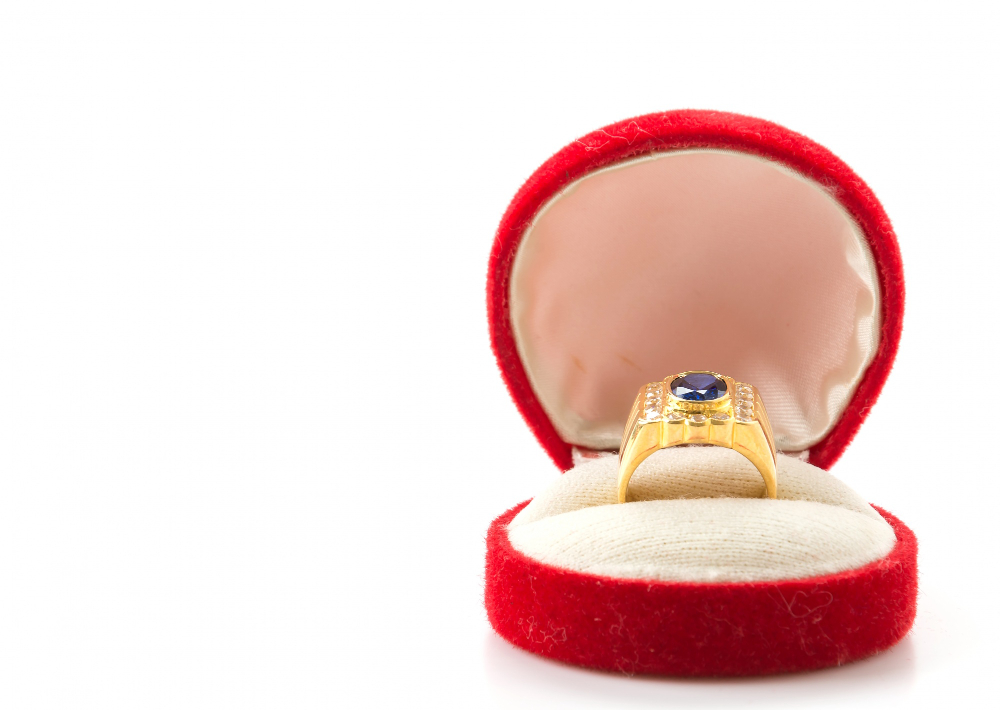
Wear, repairs, resizing, replacement stones, and original patina are noted to assess restoration needs or intact value.
Original boxes, receipts, certificates, appraisals, and matched sets strengthen secondary market presentation.
The piece is matched with the strongest secondary outlet—whether finished jewelry resale, signed estate, or precious metal recovery.
Marks can provide useful clues. Examples include karat marks such as 14K or 18K, fineness marks such as 585 or 750, sterling or 925 silver marks, platinum marks, maker’s marks, assay marks, serial numbers, and model or collection references. Their meaning depends on the country, period, maker, and construction.
A mark should not be treated as a complete authentication. It may be worn, incomplete, added later, incorrectly interpreted, or counterfeit. Conversely, an authentic older or handmade piece may have a faint mark or no readily visible mark. The item’s construction, materials, style, condition, and documentation should be reviewed together.
These terms describe different constructions and amounts of precious metal. Solid gold jewelry is a gold alloy throughout the relevant metal portion. Gold-filled or rolled-gold products contain a mechanically bonded gold layer that represents a stated fraction of the item. Gold-plated jewelry has a thinner applied surface layer over a base metal. Vermeil is gold-plated sterling silver that meets applicable description requirements. Each should be identified accurately rather than valued as if it contains the same amount of gold.
Gold alloy throughout the relevant metal portion (e.g. 10K, 14K, 18K). Full intrinsic precious metal value.
Mechanically bonded gold layer that represents a stated fraction (such as 1/20th) of the total weight.
Thinner applied surface layer electroplated over a base metal. Primarily decorative metal value.
Gold-plated sterling silver meeting legal thickness requirements. Intrinsic silver content value.
Editor source note: FTC consumer guidance and the FTC Jewelry Guides support the distinctions among solid gold, gold-filled/rolled gold, plated products, and vermeil.
Understanding the difference between direct sale, consignment, auction, and metal recovery helps you choose the right path for your jewelry.
| Channel | Potential Advantage | Potential Tradeoff |
|---|---|---|
| Direct Specialist Buyer | Physical review, immediate purchase decision, fewer selling steps. | Offer reflects the buyer’s resale risk, inventory cost, and required margin. |
| Consignment | May expose the piece to a retail audience without an outright immediate sale. | Payment usually waits until sale; commission, insurance, return, and duration terms matter. |
| Auction | May suit rare, important, strongly documented, or highly competitive pieces. | Timing, estimates, reserves, seller fees, photography, insurance, and uncertain bidding affect the result. |
| Private or Online Sale | Seller controls asking price and presentation. | Authentication, fraud, payment, shipping, returns, safety, and time become the seller’s responsibility. |
| Metal-Focused Buyer | Efficient for material-led or damaged pieces. | May overlook maker, gemstones, period, craftsmanship, or intact resale potential. |
Our four-stage evaluation is conducted in-person at our Manhattan Diamond District office with complete transparency and zero obligation to sell.
Share what you know about the item, including who owned it, where it came from, known brands, repairs, documents, and whether it is part of a set or collection.
The team examines item type, metal, stones, marks, construction, wear, alterations, damage, and anything that limits certainty.
The item is considered for signed or period resale, complete-piece resale, gemstone value, component reuse, and precious-metal content as applicable.
The team explains the main factors behind the purchase offer. You may ask questions, accept, or decline without an obligation to sell.
Ask each buyer to explain the same categories so that you are comparing like with like:
In the diamond and jewelry industries, our professionals have a combined total of over 25 years of expertise. We consequently give each and every one of our customers a competent and secure service.

Head of Diamonds & Precious Stones

Head of Watches

Head of Fine Jewelry

Head of Precious Metals
Yes. Broken clasps, bent settings, missing stones, single earrings, tangled chains, worn jewelry, and fragments can still be evaluated. The team first checks whether any maker, gemstone, period, component, or intact-piece value remains before relying on precious-metal content.
Yes. Original documents and packaging are helpful but are not required for every item. Bring whatever you have because receipts, boxes, pouches, reports, and repair records can support identification and completeness.
Yes. The team buys fine jewelry made with gold, platinum, silver, palladium, and mixed precious metals. The construction, fineness, weight, stones, maker, and condition are considered together.
The team evaluates natural and laboratory-grown stones, but they trade in different markets. Bring any laboratory report or documentation so the stone can be described and compared appropriately.
Yes, a signed piece can be reviewed without original packaging. Authentication depends on the item itself—its marks, construction, model details, materials, condition, and comparison with credible references—not on a box alone.
Usually not when the item is older, fragile, plated, enameled, pearl-set, gemstone-set, or of unknown construction. Aggressive cleaning or polishing can loosen stones, damage surfaces, erase patina, or hide condition evidence.
Yes. For a large collection, call ahead and bring a simple inventory if possible. Keep sets, documents, boxes, spare parts, and family notes together so important relationships are not lost.
No. The free purchase evaluation supports a possible sale to Buyers of NYC. Insurance, estate, tax, probate, charitable, or litigation appraisals require a stated purpose, valuation standard, scope, effective date, and qualified independent professional.
Mounted stones can be reviewed, but the setting may limit weight, measurements, girdle access, inclusions, inscriptions, treatment indicators, or condition. Material limitations should be explained.
Appointments are preferred and walk-ins are currently welcome. Call ahead for a large collection, signed jewelry, fragile antique pieces, or a time-sensitive visit.
No. You can ask questions, review the offer, decline, seek another buyer, or obtain a different type of appraisal or laboratory report.
Buyers of NYC is located at 36 W 47th Street, W07, New York, NY 10036. Current published hours are Monday – Friday: 10:00 AM – 6:00 PM Appointments are preferred and walk-ins are welcome. Call 646-400-4553 before traveling to confirm hours and expected timing, especially for a collection or complex piece.
36 W 47th Street, Booth W07
New York, NY 10036
(Between 5th & 6th Avenues)
Monday – Friday: 10:00 AM – 6:00 PM
Appointments preferred; walk-ins welcome
Phone: 646-400-4553
Email: buyersofnyc1@gmail.com
For larger fine jewelry collections, signed designer pieces, antique fine jewelry, or items containing certified diamonds and colored gemstones, scheduling in advance helps ensure the right specialist and dedicated evaluation time are available.
Fill out the details below for a confidential, no-obligation evaluation request.
Privacy & Safety Notice: Do not include sensitive information like bank accounts or SSNs. An online inquiry is preliminary; final evaluation requires in-person inspection and testing.