




Have rings, necklaces, bracelets, earrings, brooches, pendants, cufflinks, signed pieces, gemstone jewelry, estate jewelry, and damaged fine jewelry reviewed by Buyers of NYC. Our team considers the jewelry as a complete piece before determining whether its strongest value is in the maker, design, stones, precious metal, or a combination of those factors.
Reviewed for brand, stones & craft before scrap
Cartier, Tiffany, Van Cleef & period jewelry
In-office testing for unmarked or inherited items
Private Midtown office with transparent offers
Selling jewelry is not the same as selling one uniform commodity. A single piece may contain precious metal, multiple gemstones, a recognizable maker, period workmanship, repairs, replacement parts, and documentation that affect how it should be evaluated. Buyers of NYC provides a no-obligation purchase evaluation so you can understand the principal factors considered before deciding whether to sell.
We purchase fine jewelry in many styles, materials, ages, and conditions. Bring your items even when you do not know the exact metal purity, gemstone grade, maker, age, or model.
Diamond rings, colored gemstone rings, eternity bands, cocktail rings, signet rings, men’s rings, vintage mountings, and signed designer engagement rings.
Sell diamond & gemstone rings →Gold chains, lockets, diamond tennis necklaces, station necklaces, custom pendants, signed luxury designs, and gemstone-set neckpieces.
Sell necklaces & pendants →Diamond tennis bracelets, link bracelets, solid cuffs, hinged bangles, charm bracelets, signed pieces, and bracelets with missing or damaged elements.
Sell bracelets & bangles →Diamond studs, hoops, drop earrings, clip-ons, chandelier designs, single orphan earrings, and signed fine jewelry sets.
Sell fine earrings →Antique and period brooches, diamond and gemstone pins, cameos, enamel pieces, dress clips, and historic unsigned or signed motifs.
Sell vintage brooches & pins →Cufflinks, tie bars, shirt studs, money clips, gold charms, key rings, and specialty precious-metal wardrobe accessories.
Sell precious-metal accessories →Tiffany & Co., Cartier, Van Cleef & Arpels, Bvlgari, Harry Winston, Graff, David Yurman, and other verified heritage jewelry houses.
Sell designer & signed jewelry →Victorian, Edwardian, Art Deco, Retro, and Mid-Century jewelry pieces evaluated for historic period craftsmanship and collectible aesthetic appeal.
Sell estate & antique jewelry →Broken clasps, missing accent stones, bent mountings, tangled chains, single earrings, fragments, worn pieces, and mixed estate repair lots.
Learn about selling damaged jewelry →Brand names and maker trademarks are referenced solely to identify fine jewelry items Buyers of NYC considers for purchase. Buyers of NYC is an independent buyer and is not affiliated with or endorsed by referenced luxury brands unless a separate written relationship is documented. Authentic maker hallmarks, serial numbers, and original provenance documents significantly enhance secondary offer value.
Not sure what you have? Do not discard, separate, polish, or remove stones simply because a piece looks old, broken, unfashionable, or unmarked. Bring it as found for a complete multi-attribute evaluation in our private Manhattan office.
Precious-metal content can be important, but it is only one possible source of value. Before a piece is valued by weight alone, our evaluators screen every item across six critical value drivers to determine whether the complete jewelry commands a premium on the fine jewelry secondary market.
A genuine signature, hallmark, or workshop attribution from houses like Tiffany, Cartier, or Van Cleef substantially increases secondary market demand above precious-metal melt.
Mounted natural diamonds, sapphires, rubies, emeralds, and pearls carry independent market liquidity and are evaluated separately from the setting weight.
Victorian, Art Deco, Retro, and Mid-Century construction, filigree, hand-engraving, and intact enamel attract dedicated estate collector markets.
Original components, matching pairs, functional clasps, and unaltered design preserve the integrity needed for premium fine jewelry resale.
Original receipts, brand boxes, GIA/IGI laboratory reports, and documented ownership history substantiate authenticity and accelerate higher purchase offers.
When complete resale is not viable, precise electronic XRF verification ensures transparent, live market payout for all payable gold, platinum, or palladium weight.
Generic gold buyers calculate payout strictly by weight minus melt deductions — ignoring gemstones, signatures, and artistry. Buyers of NYC screens each piece first to ensure you receive the highest achievable secondary market offer across all paths.
There is no single formula for all jewelry. The team reviews the item’s materials, identity, construction, condition, and likely market route together.
What is reviewed: Metal type, fineness, weight, mixed-metal construction, nonmetal components, plating, and wear.
Why it matters: Establishes material content and prevents solid gold, gold-filled, plated, vermeil, silver, and platinum items from being treated as equivalent.
What is reviewed: Natural or laboratory-grown origin, carat or measurements, color, clarity, cut, shape, condition, treatments, reports, and mounting limits.
Why it matters: Diamond quality and marketability can be a major part of the piece’s value.
What is reviewed: Identity, natural or laboratory-grown origin where relevant, color, clarity, cut, weight or measurements, treatment, condition, origin documentation, and demand.
Why it matters: Gem species and treatment can change both description and market expectations.
What is reviewed: Natural or cultured origin where determinable, size, shape, color, luster, surface, nacre, matching, drill holes, stringing, and condition.
Why it matters: Pearls use a different descriptive framework from faceted stones.
What is reviewed: Signature, hallmark, fineness mark, responsibility mark, serial number, model, collection, construction, and comparison with known examples.
Why it matters: A credible attribution may support designer or period resale; a mark alone is not proof.
What is reviewed: Proportions, craftsmanship, setting style, hand fabrication, cast construction, enamel, engraving, and period details.
Why it matters: Well-made or distinctive jewelry can be marketable beyond materials.
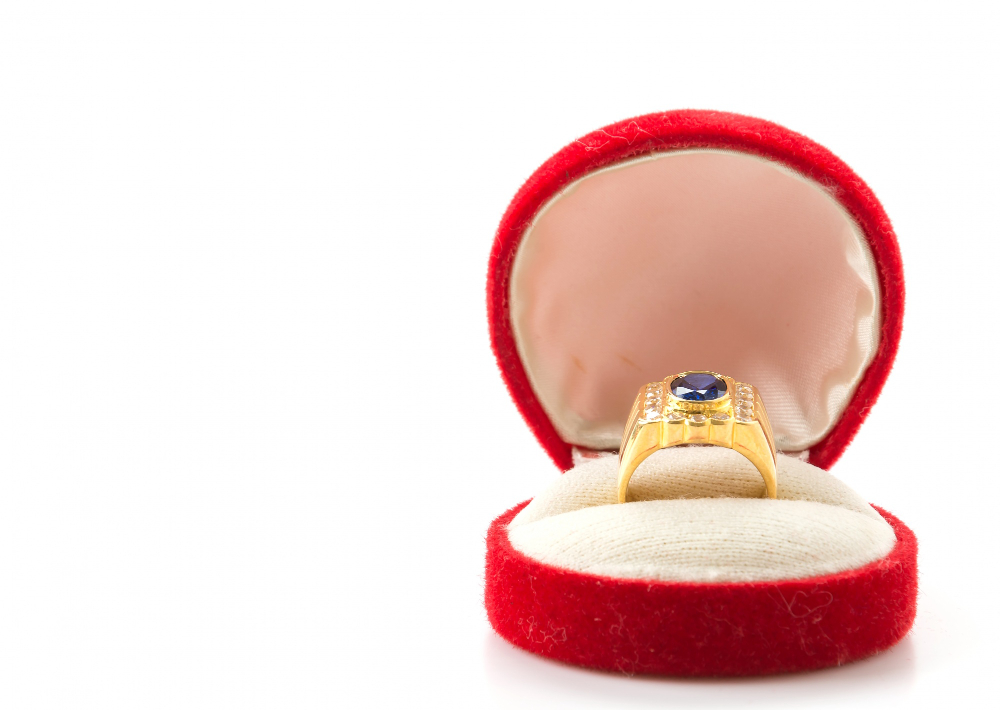
What is reviewed: Wear, repairs, replacement stones, sizing, solder, damaged enamel, worn prongs, missing components, polishing, and restoration.
Why it matters: Condition affects appearance, durability, originality, repair cost, and buyer demand.
What is reviewed: Original box, pouch, receipt, laboratory report, appraisal, repair record, spare components, matched set, and provenance.
Why it matters: Documentation can support identification and make a piece easier to compare, but does not guarantee a particular offer.
What is reviewed: Likely resale audience, brand and style demand, metal market, stone market, time, fees, and liquidity.
Why it matters: The best valuation route can differ between an intact piece, components, or metal.

Hallmarks, maker stamps, and fineness marks provide vital clues to an item’s origin, purity, and history. However, professional evaluation requires looking beyond surface stamps to verify genuine metallurgy, era-correct construction, and authentic craftsmanship.
Common hallmarks include US karat stamps (10K, 14K, 18K, 22K), European millesimal fineness numbers (585, 750, 916, 999), platinum marks (PT950, PLAT), and sterling silver stamps (925).
Maker’s marks, assay city symbols, date letters, and serial numbers further connect pieces to prestigious luxury houses or historic workshops.
A hallmark alone is not a guarantee. Stamps can be counterfeit, worn away by decades of wear, erased during ring resizing, or absent on genuine antique handmade pieces.
Buyers of NYC pairs visual loupe inspection with non-destructive XRF spectrometry and acid testing to verify exact precious-metal content regardless of stamping.
Understanding the physical construction of fine jewelry ensures accurate valuation rather than treating all gold-colored items as uniform:
Homogeneous precious-metal alloy throughout the entire piece. Contains no base metal core and never wears through to a different material.
Mechanically pressure-bonded gold layer representing a legally defined fraction (such as 1/20th or 5%) of total item weight over brass.
High-quality sterling silver (925) base coated with a heavy gold layer (minimum 2.5 microns thickness) meeting strict legal standards.
Microscopic surface wash of gold electroplated over non-precious base metals such as brass, nickel, zinc, or pewter.
FTC Guidelines & Authentication Transparency: Federal Trade Commission Jewelry Guides mandate clear distinctions among solid gold, gold-filled, vermeil, and plated products. Buyers of NYC performs certified in-office testing so you understand the exact material composition and true value of your jewelry before you make any selling decision.
Understanding transaction timelines, net payout formulas, and risk exposure across major selling channels empowers you to make the safest and most profitable decision for your fine jewelry.
In-person physical evaluation, immediate purchase offer, and same-day payment (cash, check, or wire). Zero consignment wait, no listing fees, and complete transaction privacy.
Offer reflects live wholesale Diamond District liquidity benchmarks and buyer inventory holding costs rather than speculative retail asking prices.
Exposes high-end signed items to retail shoppers in luxury boutiques, potentially securing a higher gross sale price if matched with the right retail buyer.
Payout is delayed until the piece sells; substantial commission cuts, mandatory display lock-in periods, and insurance terms apply.
Well-suited for museum-grade, historic, signed, or rare estate pieces where multiple enthusiastic collectors can create competitive bidding spikes.
Lengthy consignment lead times, mandatory seller commissions, catalog fees, insurance charges, and uncertain final bidding results.
Seller sets the target asking price, creates the product listing, and manages direct customer negotiations independently.
Seller assumes all risk for lost shipments, fraudulent payment reversals, customer disputes, platform selling fees, and extensive time investment.
Fast instant cash liquidation for broken, tangled, or unwearable gold scrap lots where metal content is the only value driver.
Overlooks signed hallmarks, diamonds, colored gemstones, and period collectibility — resulting in heavily discounted payouts for fine jewelry.
Our four-stage evaluation is conducted in-person at our Manhattan Diamond District office with complete transparency and zero obligation to sell.
Share what you know about the item, including who owned it, where it came from, known brands, repairs, documents, and whether it is part of a set or collection.
The team examines item type, metal, stones, marks, construction, wear, alterations, damage, and anything that limits certainty.
The item is considered for signed or period resale, complete-piece resale, gemstone value, component reuse, and precious-metal content as applicable.
The team explains the main factors behind the purchase offer. You may ask questions, accept, or decline without an obligation to sell.
Follow these 7 practical guidelines to protect your pieces and ensure an accurate, top-tier appraisal:
Avoid aggressive polishing, ultrasonic cleaning, steam, chemical dips, or repair when the stones, enamel, plating, pearls, settings, and prior work are unknown.
Keep matching earrings, suites, links, charms, stones, boxes, pouches, and spare parts intact.
Bring receipts, laboratory reports, prior appraisals, repair records, brand documents, photographs, and family records—even when old or incomplete.
Do not remove stones or separate a piece solely for evaluation. Disassembly can damage the item and erase useful construction evidence.
Number the pieces, take overview photographs, and note any family history or document associated with each item.
New York City secondhand dealer regulations require valid government-issued photo identification for transaction completion.
For a large collection, fragile antique jewelry, multiple signed pieces, or a visit requiring additional time, schedule in advance.
Ask each buyer to explain the same categories so that you are comparing like with like:
Was the item screened for signed, period, gemstone, complete-piece, and metal value before it was called scrap?
Were the main stones, supporting stones, precious metal, maker, design, condition, and documents considered?
Did the buyer explain uncertainty about treatments, origin, missing marks, replacement parts, or mounting limitations?
Is the offer for the complete item, selected components, or metal only?
Are there commissions, listing fees, shipping charges, repair costs, insurance charges, return fees, or later deductions?
How long is the offer valid and what payment methods, identification, and records apply?
Can you decline the offer and leave with the item without any sales pressure?
In the diamond and jewelry industries, our professionals have a combined total of over 25 years of expertise. We consequently give each and every one of our customers a competent and secure service.

Head of Precious Metals

Head of Fine Jewelry

Head of Watches

Head of Diamonds & Precious Stones
Yes. Broken clasps, bent settings, missing stones, single earrings, tangled chains, worn jewelry, and fragments can still be evaluated. The team first checks whether any maker, gemstone, period, component, or intact-piece value remains before relying on precious-metal content.
Yes. Original documents and packaging are helpful but are not required for every item. Bring whatever you have because receipts, boxes, pouches, reports, and repair records can support identification and completeness.
Yes. The team buys fine jewelry made with gold, platinum, silver, palladium, and mixed precious metals. The construction, fineness, weight, stones, maker, and condition are considered together.
The team evaluates natural and laboratory-grown stones, but they trade in different markets. Bring any laboratory report or documentation so the stone can be described and compared appropriately.
Yes, a signed piece can be reviewed without original packaging. Authentication depends on the item itself—its marks, construction, model details, materials, condition, and comparison with credible references—not on a box alone.
Usually not when the item is older, fragile, plated, enameled, pearl-set, gemstone-set, or of unknown construction. Aggressive cleaning or polishing can loosen stones, damage surfaces, erase patina, or hide condition evidence.
Yes. For a large collection, call ahead and bring a simple inventory if possible. Keep sets, documents, boxes, spare parts, and family notes together so important relationships are not lost.
No. The free purchase evaluation supports a possible sale to Buyers of NYC. Insurance, estate, tax, probate, charitable, or litigation appraisals require a stated purpose, valuation standard, scope, effective date, and qualified independent professional.
Mounted stones can be reviewed, but the setting may limit weight, measurements, girdle access, inclusions, inscriptions, treatment indicators, or condition. Material limitations should be explained.
Appointments are preferred and walk-ins are currently welcome. Call ahead for a large collection, signed jewelry, fragile antique pieces, or a time-sensitive visit.
No. You can ask questions, review the offer, decline, seek another buyer, or obtain a different type of appraisal or laboratory report.
Buyers of NYC is located at 36 W 47th Street, Booth W07, New York, NY 10036, in Manhattan’s Diamond District. Current published hours are Monday – Friday: 10:00 AM – 6:00 PM. Appointments are preferred and walk-ins are welcome during published hours.
36 W 47th Street, Booth W07
New York, NY 10036
(Between 5th & 6th Avenues)
Monday – Friday: 10:00 AM – 6:00 PM
Appointments preferred; walk-ins welcome
Phone: 646-400-4553
Email: buyersofnyc1@gmail.com
For high-value fine jewelry, signed designer pieces, or multi-piece collections, calling 646-400-4553 in advance ensures dedicated evaluation time with our jewelry specialists.
Describe your fine jewelry, metals, gemstones, and any hallmarks or documentation. You do not need to know exact specifications prior to evaluation.
Privacy && Safety Notice: Do not upload government identification, divorce papers, wills, trusts, court orders, or sensitive financial records. Online submissions are preliminary and do not create a purchase offer, authentication, or obligation to sell.