36 W 47th St, Booth W07, New York, NY 10036Mon–Fri: 10:00 AM – 6:00 PM
36 W 47th St, Booth W07, Diamond District
Mon–Fri: 10:00 AM – 6:00 PM (Walk-ins Welcome)
Licensed NYC Buyer • Free Precision Appraisal
ENGAGEMENT, WEDDING, ANNIVERSARY, ESTATE & DESIGNER RINGS

Sell a Diamond Ring in NYC

Sell an engagement ring, wedding ring, anniversary ring, estate ring, vintage ring, or signed designer ring through a clear purchase evaluation at Buyers of NYC. At our Manhattan Diamond District office, the team reviews the ring as a complete piece—considering the center diamond, supporting stones, precious-metal setting, maker, condition, documentation, and current resale demand.

Bring the ring intact, even if it is damaged or missing paperwork. You receive a no-obligation offer and can decide whether selling is right for you.

Important: Do not remove the center stone or discard the original box, report, receipt, appraisal, wedding band, or loose components before the evaluation.
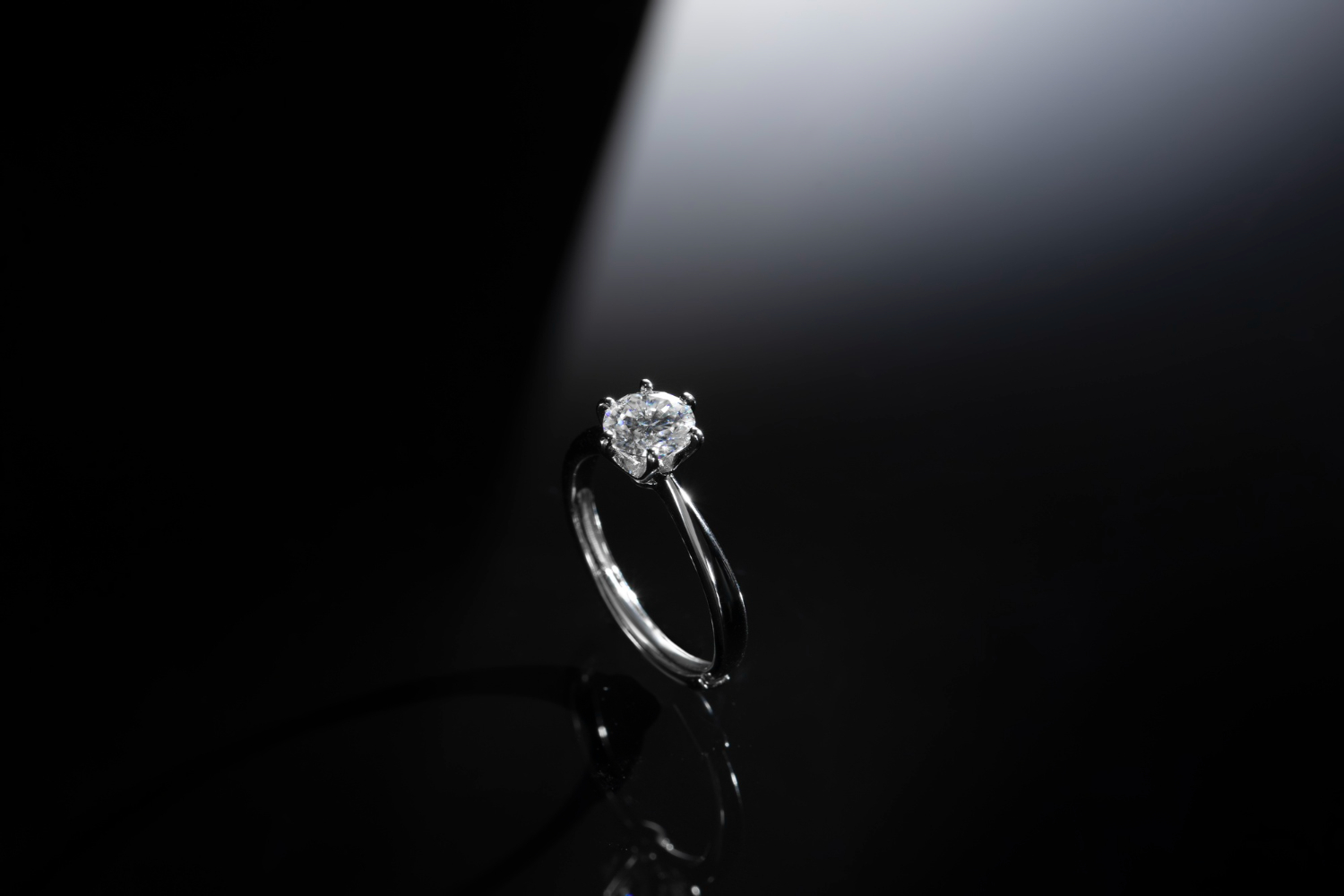

Sell a Diamond Ring in NYC - Buyers of NYC
LICENSED & CERTIFIED IN NEW YORK CITY

Recognized Credentials, Industry Licenses & Certified Gemologists

Complete Ring Value

Center stone, setting, maker & side stones evaluated together

Natural & Lab-Grown

Expert identification and fair market evaluation for both

Reported or Unreported

Evaluated with or without GIA, IGI certificates or appraisals

No Obligation to Sell

Honest purchase evaluations with zero sales pressure

Accepted Ring Styles

What Types of Diamond Rings Does Buyers of NYC Purchase?

A diamond ring can be evaluated whether it is contemporary, antique, branded, repaired, resized, incomplete, or no longer accompanied by its original paperwork. The most appropriate offer depends on what the complete ring is — not simply the center stone’s stated carat weight.

01

Engagement Rings

Solitaire, halo, three-stone, pavé, channel-set, bezel-set, tension-style, cluster, cathedral, split-shank, and other diamond settings.

02

Wedding & Anniversary Bands

Diamond bands, eternity and half-eternity bands, stackable rings, bridal sets, and multi-stone anniversary rings.

03

Estate & Vintage Rings

Victorian, Edwardian, Art Nouveau, Art Deco, Retro, Mid-Century, and antique rings with historic period cuts.

04

Designer & Signed Rings

Signed rings from Tiffany & Co., Cartier, Harry Winston, Van Cleef & Arpels, Bulgari, Graff, and other verified luxury houses.

05

Natural-Diamond Rings

Center and supporting natural earth-mined diamonds of varied shapes, colors, clarities, and carat weights.

06

Lab-Grown Diamond Rings

CVD- or HPHT-grown center stones and supporting laboratory-grown diamonds, with or without grading reports.

07

Damaged or Altered Rings

Bent shanks, worn prongs, missing side stones, resized rings, replaced heads, chipped diamonds, and incomplete sets.

08

Mixed-Gemstone Rings

Diamond rings set with sapphire, ruby, emerald, or other genuine gemstones; evaluated as a complete piece when appropriate.

Complete Piece Integrity

Why Should the Ring Be Evaluated Before It Is Taken Apart?

A ring can be worth more, less, or simply different as a complete piece than the sum of isolated components. A signed setting, period design, well-matched side stones, original workmanship, or complete bridal set can support resale as fine jewelry. Removing the center stone prematurely can damage prongs, lose small stones, erase construction evidence, create unnecessary cost, or separate a maker’s design from the diamond it was built around.

The best sequence is to evaluate the intact ring first, compare complete-piece and component paths, and remove a stone only when a qualified gemologist and the owner agree that removal is strictly necessary.

Complete Ring Valuation

How Is a Diamond Ring Evaluated?

Evaluating a diamond ring requires examining all interdependent value drivers — from center stone 4Cs to precious-metal setting, maker provenance, and documentation — rather than applying a generic metal-scrap or loose-stone formula.
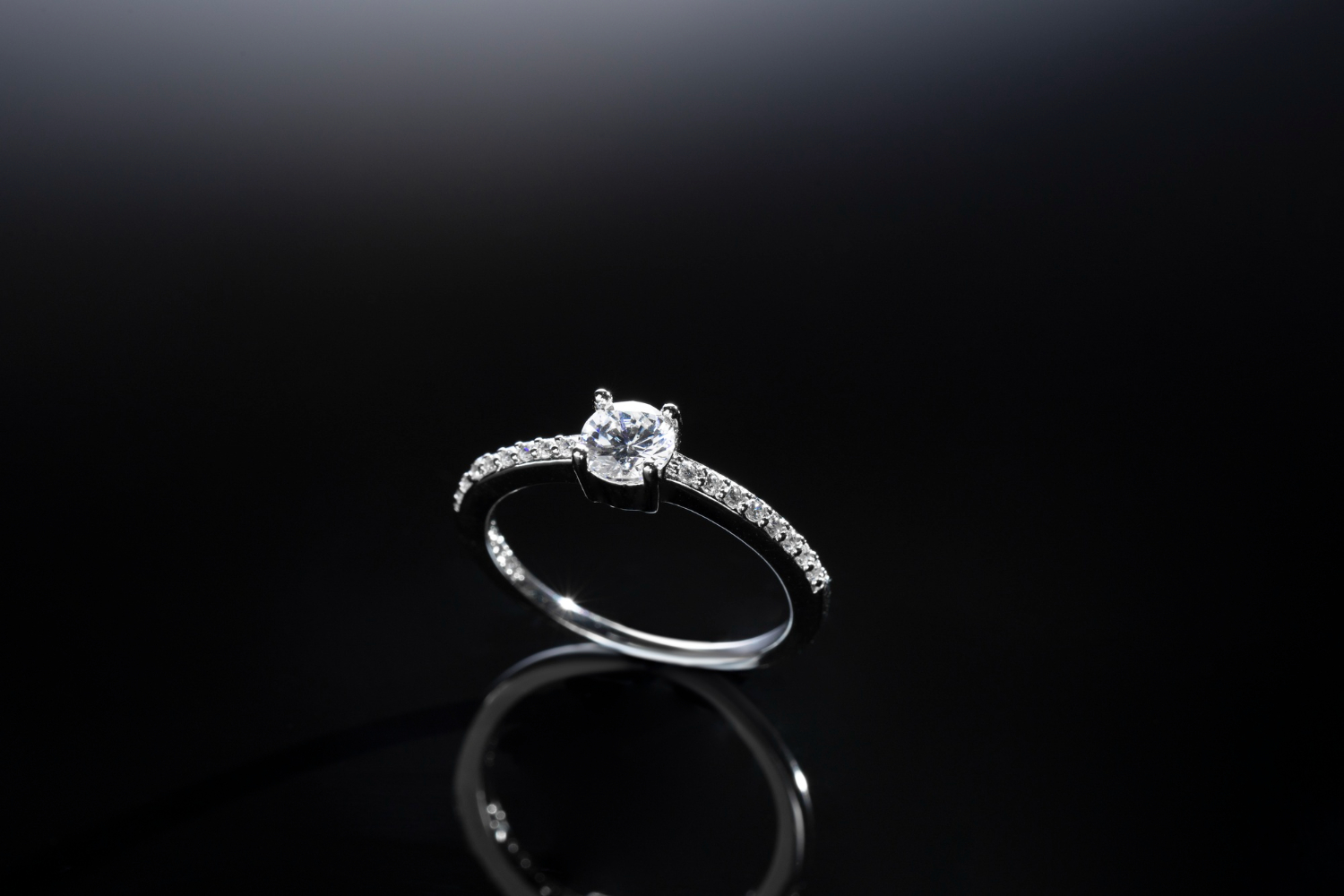
Center Diamond 4Cs and Engagement Ring Inspection

1. Center Diamond 4Cs & Origin

Natural or laboratory-grown origin, carat or estimated weight, shape, color, clarity under 10× magnification, cut proportions, fluorescence, treatments, condition, and report match. The center stone is often — but not always — the largest value component, and 4Cs precision directly establishes secondary market liquidity.

2. Side & Accent Stones

Number, total weight, matching, quality, setting security, replacements, chips, and whether stones form a marketable design. Small stones should not be ignored when their cumulative quality, matching, or design contribution is meaningful.
Precious Metal Ring Setting and Side Diamond Accents

3. Precious-Metal Setting

Gold karat (10K–18K) or platinum content, payable weight, hallmarks, construction, workmanship, and whether the setting is reusable or primarily component value. The setting may support fine jewelry resale, designer value, or precious-metal value.

4. Maker, Signature & Period

Maker’s marks (Tiffany & Co., Cartier, Harry Winston, Van Cleef & Arpels), serial or style numbers, model authenticity, design period, provenance, and whether components are original. A verified maker or desirable period can change the best resale path.
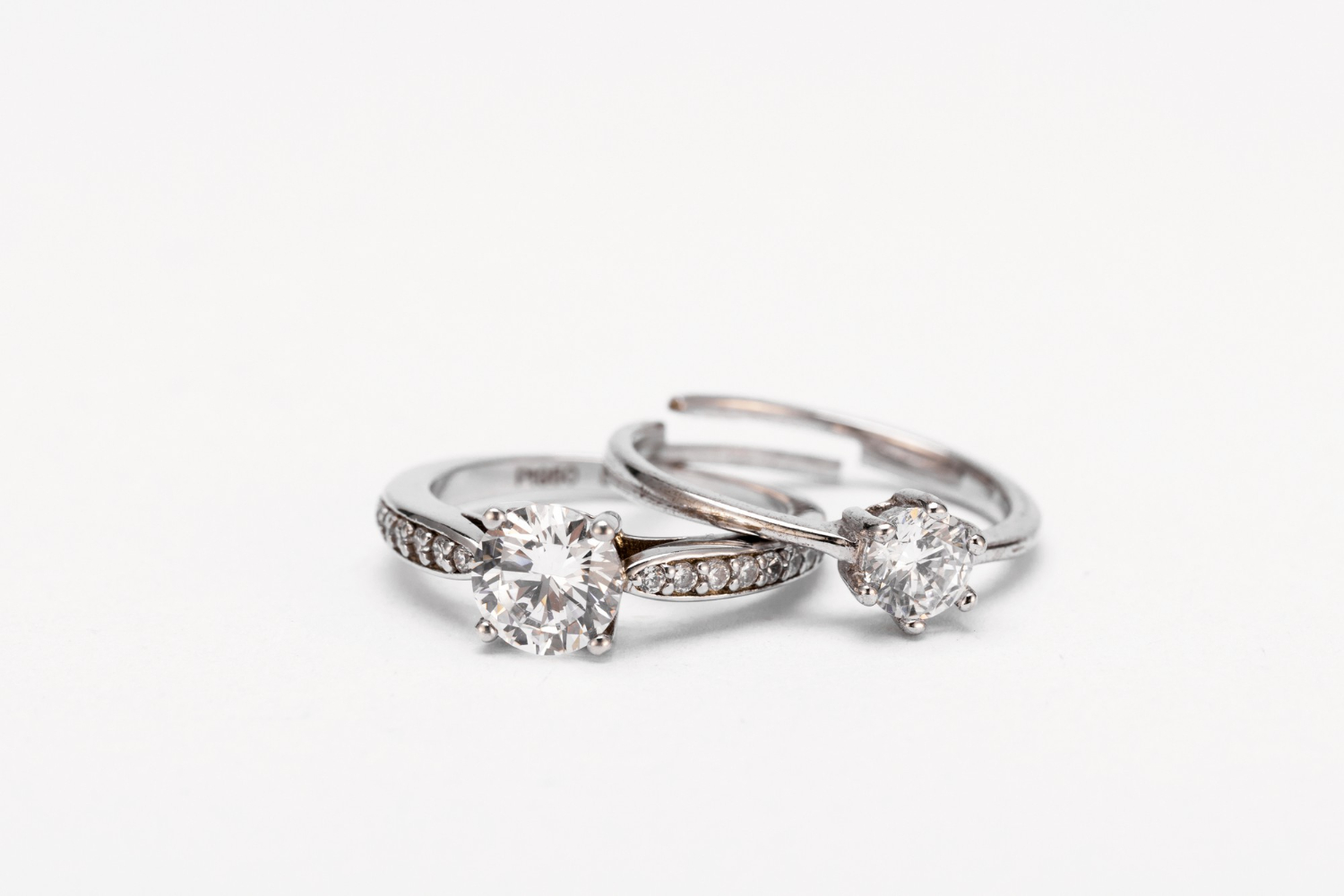
Diamond Ring Provenance and Complete Bridal Set Value

5. Condition & Alterations

Prongs, shank, solder, sizing, wear, repairs, missing stones, replaced head, engraving, rhodium plating, and diamond damage. Condition affects repair cost, authenticity, durability, presentation, and buyer demand.

6. Documents & Packaging

Grading reports, receipts, prior appraisals, brand certificates, service or repair records, boxes, pouches, photographs, and estate records. Documents can support identification and provenance, facilitating accurate market comparisons.

7. Complete-Piece Marketability

Design, size, wearability, visual balance, current demand, and whether the ring is better sold complete or by components. The offer should use the path that best reflects the actual item — not a one-size-fits-all formula.

Mounted Stone Evaluation

How Are Mounted Diamonds Handled?

A mounted diamond can be reviewed without automatically unsetting it. Laser inscriptions, millimeter gauges, table/depth ratios, and visible optical characteristics allow accurate evaluation.

When prongs or metal conceal portions of the girdle, Buyers of NYC states clearly whether additional verification would change your offer.

Origin Classification

Natural and Laboratory-Grown Ring Centers

Both natural and laboratory-grown diamond rings are purchased, but they trade in distinct secondary markets. Laboratory stones are not priced from natural diamond price lists.

Our gemologists verify origin using specialized spectroscopic instruments and provide clear, transparent pricing for both categories.

Document & Value Clarity

Why the Retail Receipt or Insurance Appraisal Differs From a Purchase Offer

Understanding the role of each document prevents confusion and establishes realistic secondary market expectations:

01

Original Retail Receipt

Historical Record
Typical Purpose:

Records what was paid at a particular retailer and date.

Why It Differs From Cash Resale:

Includes retail overhead, marketing margin, financing fees, and sales taxes that cannot be recovered in secondary transactions.

02

Insurance Replacement Appraisal

Replacement Policy
Typical Purpose:

Estimates the high retail cost needed to replace the item new in case of loss.

Why It Differs From Cash Resale:

Replacement appraisals represent retail replacement maximums, not immediate cash purchase commitments.

03

Estate / Legal Appraisal

Probate & Tax
Typical Purpose:

Provides valuation for probate, tax, or legal division assignments.

Why It Differs From Cash Resale:

Valuation standards and market assumptions are structured for legal purposes rather than an immediate liquidation sale.

04

Buyers of NYC Purchase Evaluation

Direct Settlement
Typical Purpose:

Calculates the exact net cash amount payable to the seller immediately.

Why It Differs From Cash Resale:

Reflects live secondary Diamond District wholesale demand, net metal/stone values, and immediate liquidity with zero deductions.

Channel Comparison

What Are the Main Ways to Sell or Liquidate a Diamond Ring?

Ensure maximum financial return, immediate settlement speed, and counterparty security when liquidating your fine diamond ring or bridal jewelry:

Retail Jeweler Trade-In

Store Credit Focus • Retail Margins
Potential Advantages

Convenient if you are purchasing a replacement piece and prefer store credit rather than cash liquidity.

Risks & Questions to Ask

Is value offered in cash or store credit? Are new retail inventory prices inflated to offset the trade-in allowance?

Auction House or Consignment

15% – 25% Fees • 60–120 Days Delay
Potential Advantages

Distinctive, rare, signed, or important historical diamond rings that may benefit from broad collector marketing.

Risks & Questions to Ask

What are seller commissions, catalog/photography fees, insurance charges, reserve limits, and payment delays if unsold?

Online Peer-to-Peer Marketplace

10% – 15% Fees • Chargeback Risk
Potential Advantages

Seller sets their target listing price across online peer-to-peer consumer channels.

Risks & Questions to Ask

Who authenticates the payment? What platform transaction fees, insured shipping exclusions, and chargeback/return risks apply?

Pawn Shop / Collateral Loan

30% – 50% Valuation Discount
Potential Advantages

Immediate emergency cash loan if using the ring as short-term collateral with the intent to redeem.

Risks & Questions to Ask

Lacks certified gemological grading; typically discounts center stone quality to scrap/pawn values (30%–50% below true wholesale).

Specialist Valuation Advice: Never dismantle an engagement ring or wedding band prior to evaluation. Buyers of NYC examines the complete piece to identify signed designer hallmarks and setting value before exploring individual component options.

In-Person Experience

What Happens During a Diamond Ring Evaluation?

Our four-step evaluation is conducted in-person at our Manhattan Diamond District office with complete transparency and zero obligation to sell.

Step 01

Tell Us About the Ring

Share whether it is an engagement, wedding, estate, vintage, or designer piece and share any available reports, receipts, appraisals, or brand packaging.

Step 02

Review Complete Ring

Our gemologists examine the center and accent diamonds under 10× magnification, inspect setting security, test precious metal, and verify maker marks.

Step 03

Compare Resale Paths

The ring is considered as a complete fine jewelry piece and by component values so that designer premiums, matched side stones, and precious metals are fully captured.

Step 04

Receive & Settle Offer

The buyer explains the principal factors behind the offer. You can accept or decline with zero obligation. If accepted, immediate settlement is completed on the spot.

Pre-Visit Checklist

How Should You Prepare a Diamond Ring for Evaluation?

Follow these 6 practical guidelines to protect your ring and ensure an accurate, top-tier offer:

Keep the Ring 100% Intact

Do not remove the center diamond, polish away historic hallmarks, or replace components prior to professional evaluation.

Bring All Documentation & Boxes

Bring original grading reports (GIA, IGI), retail receipts, prior appraisals, brand certificates, original boxes, and pouches.

Bring Matching Bridal Bands Together

Bring matching wedding bands, diamond enhancers, guard rings, and jackets together, as matched sets command higher complete value.

Avoid Harsh Chemical Cleaning

Avoid home steam or ultrasonic cleaning when treatment status, fracture filling, or prong security is unverified.

Share Known History & Origin

Disclose known maker details, resizing history, previous repairs, and natural vs. lab-grown origin to streamline the evaluation.

Bring Valid Government Photo ID

Valid Driver’s License or Passport is required by New York City secondhand regulations to complete the sale.

Transparency Framework

How Can You Compare Diamond Ring Offers?

Always ask prospective jewelry buyers these 6 core questions to ensure fair, transparent comparisons:

Q1

Comprehensive Ring Scope

Did the buyer evaluate center diamond, side stones, precious metal, maker signature, and paperwork — or only stone melt?

Q2

Origin & Category Verification

Was the stone confirmed as natural or lab-grown, and what gemological instrument evidence supports that determination?

Q3

Complete Piece vs. Component Resale

Is the ring valued as a wearable intact designer piece or merely for scrap metal and unmounted diamond components?

Q4

Appraisal vs. Cash Reality

Was an insurance appraisal clearly distinguished from a real-time net secondary market cash purchase offer?

Q5

Fees, Deductions & Terms

Are there hidden appraisal charges, consignment commissions, or later deductions subtracted from the quoted price?

Q6

Net Written Offer & Zero Pressure

Is the offer in writing, valid for immediate cash/check/wire settlement, and free of sales pressure?

Selling After an Inheritance, Divorce, or Major Life Change

A diamond ring often carries personal sentiment that is separate from secondary market liquidity. You do not need to make an immediate decision. Consider preserving family records, confirming ownership authority, and deciding whether an immediate purchase offer, formal written appraisal, or consignment opinion best suits your goals.

Buyers of NYC provides honest market valuations with complete confidentiality and zero sales pressure.

Our Team

Connect with Our Experts

In the diamond and jewelry industries, our professionals have a combined total of over 25 years of expertise. We consequently give each and every one of our customers a competent and secure service.

Jacob M. - Head of Diamonds & Precious Stones

Jacob M.

Head of Diamonds & Precious Stones

Leslie Alexander - Head of Watches

Leslie Alexander

Head of Watches

Cody Fisher - Head of Fine Jewelry

Cody Fisher

Head of Fine Jewelry

Savannah Nguyen - Head of Precious Metals

Savannah Nguyen

Head of Precious Metals

FAQ

Frequently Asked Questions About Selling a Diamond Ring

Can I sell an engagement ring without papers?

Yes. A ring can be evaluated without a grading report, receipt, or prior appraisal. Bring any documents you do have, but the team still reviews the physical ring, center stone, side stones, metal, maker, and condition.

Do you buy laboratory-grown diamond engagement rings?

Yes. The center and supporting stones should be identified and compared with the current laboratory-grown-diamond market. Bring the report if available, and do not guess about origin when you are unsure.

Should I remove the diamond from the ring before selling it?

No, not by default. Keeping the ring intact preserves the setting, maker’s marks, supporting stones, construction, and possible designer or period value. Removal should occur only when necessary and authorized.

Do you buy damaged rings or rings with missing stones?

Yes. Bent shanks, worn prongs, missing side stones, repairs, resizing, chips, and replaced components do not automatically eliminate value. The condition and likely repair or resale path will be considered.

Does the original box or receipt increase the ring’s value?

For signed designer rings, original packaging and receipts can strengthen provenance and presentation. For non-designer rings, documents help with identification, but the purchase offer reflects the secondary market rather than the retail receipt price.

Is my insurance appraisal the resale value?

No. An insurance appraisal estimates the high retail replacement cost under specified conditions. A cash purchase offer reflects immediate secondary-market liquidity, expected resale path, and transaction costs.

Do you buy Tiffany, Cartier, Harry Winston, or other designer rings?

Yes. Verified maker signatures, original certificates, and recognizable models often carry a brand premium in the secondary market when kept intact as signed jewelry.

Can I sell an inherited or previously owned engagement ring?

Yes. Estate, vintage, inherited, and pre-owned rings are frequently evaluated. Bring any family records or appraisals you have to help trace period craftsmanship and provenance.

Do I need an appointment?

Appointments are preferred so our senior diamond team can dedicate uninterrupted time in a private office, but walk-ins are always welcome at 36 W 47th Street, W07.

Am I required to accept the offer?

Never. Every purchase evaluation at Buyers of NYC is 100% free and strictly no-obligation. You have total freedom to accept, decline, or take time to consider.

Start Your Evaluation

Visit Buyers of NYC in Manhattan’s Diamond District

Buyers of NYC is located at 36 W 47th Street, Booth W07, New York, NY 10036, in Manhattan’s Diamond District. Current published hours are Monday – Friday: 10:00 AM – 6:00 PM. Appointments are preferred and walk-ins are welcome during published hours.

Manhattan Office

36 W 47th Street, Booth W07
New York, NY 10036
(Between 5th & 6th Avenues)

Hours of Operation

Monday – Friday: 10:00 AM – 6:00 PM
Appointments preferred; walk-ins welcome

Direct Phone & Email

Phone: 646-400-4553
Email: buyersofnyc1@gmail.com

For large diamond engagement rings, vintage/art deco rings, or complete bridal sets, calling 646-400-4553 in advance reserves dedicated time with our senior diamond and bridal jewelry appraisal specialists.

Request a Diamond Ring Evaluation

Describe your diamond engagement ring, eternity band, or vintage ring (center stone carat, metal, maker/brand, and documents).

Diamond Ring Evaluation Framework: Offers evaluate the complete piece including the primary center diamond, side accent stones, precious metal setting weight, and signed designer premiums.

Reviewed by Buyers of NYC Bridal Evaluation Team Last reviewed August 2026 | Manhattan Diamond District