36 W 47th St, Booth W07, New York, NY 10036Mon–Fri: 10:00 AM – 6:00 PM
36 W 47th St, Booth W07, Diamond District
Mon–Fri: 10:00 AM – 6:00 PM (Walk-ins Welcome)
Licensed NYC Buyer • Free Precision Appraisal
GOLD COIN BUYERS IN NEW YORK CITY

Sell Gold Coins in NYC

Buyers of NYC evaluates modern bullion coins, proof and uncirculated issues, pre-1933 U.S. gold, world gold coins, certified pieces, raw coins and gold-coin collections at 36 W 47th Street, W07, in Manhattan’s Diamond District.

Every coin should be screened for potential collector, product or historical value before it is treated only as fine gold. The purchase evaluation is free and carries no obligation to sell. Appointments are preferred, and walk-ins are welcome during published weekday hours.
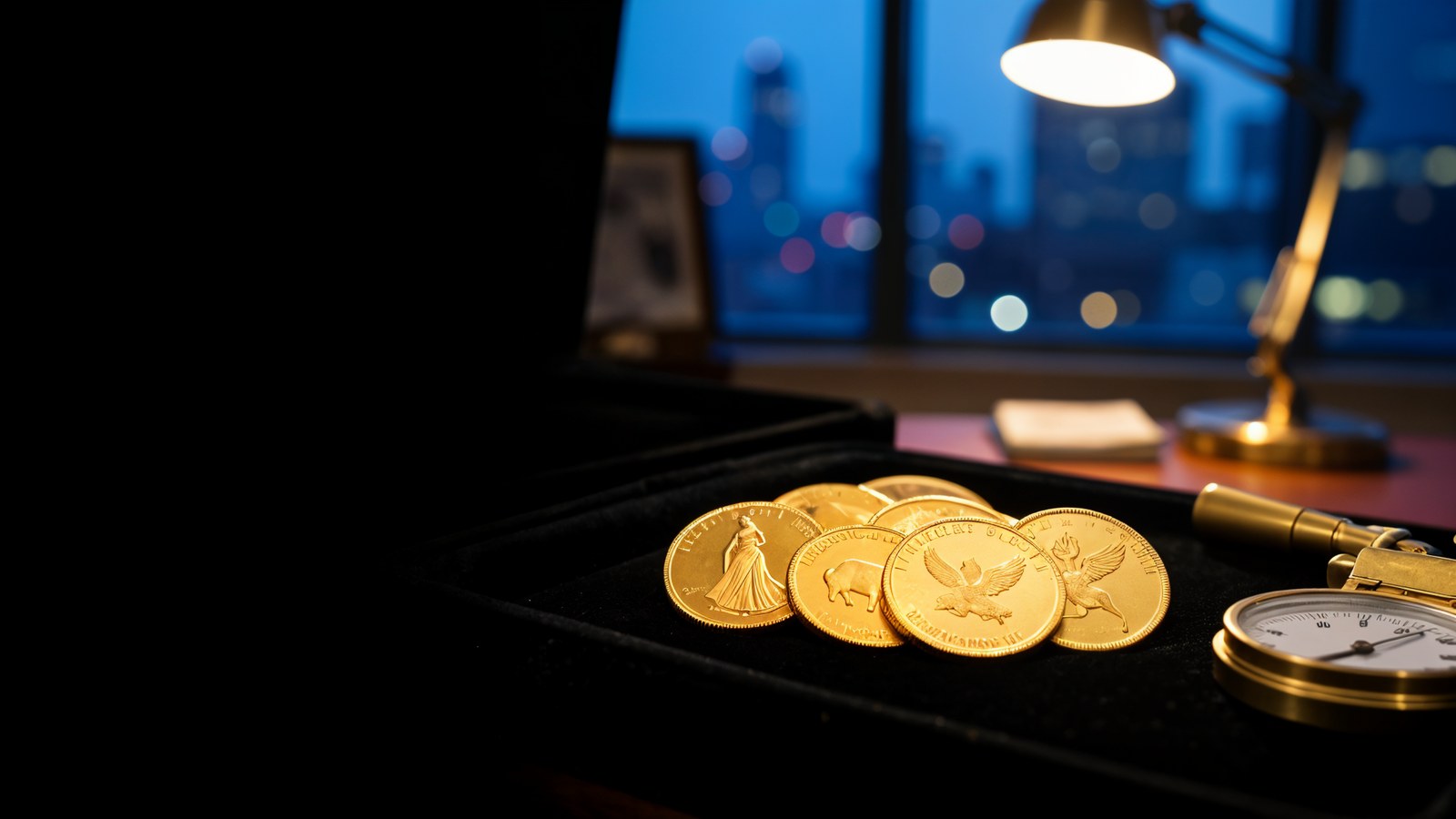

Gold coins evaluated for purchase at Buyers of NYC in Manhattan
LICENSED & CERTIFIED IN NEW YORK CITY

Recognized Credentials, Industry Licenses & Certified Gemologists

Fine Gold Purity

Evaluated for exact fine gold content across 22K and 24K sovereign issues

Numismatic Screening

Pre-1933 and key date gold coins screened for collector premiums

Slabbed & Raw Coins

We purchase PCGS/NGC certified slabs, raw coins & estate collections

No Obligation to Sell

Independent Diamond District evaluation with zero pressure

Gold Coin Directory

What Gold Coins Do We Buy?

Buyers of NYC may evaluate individual coins, groups and collections from the United States and around the world. Representative examples include:
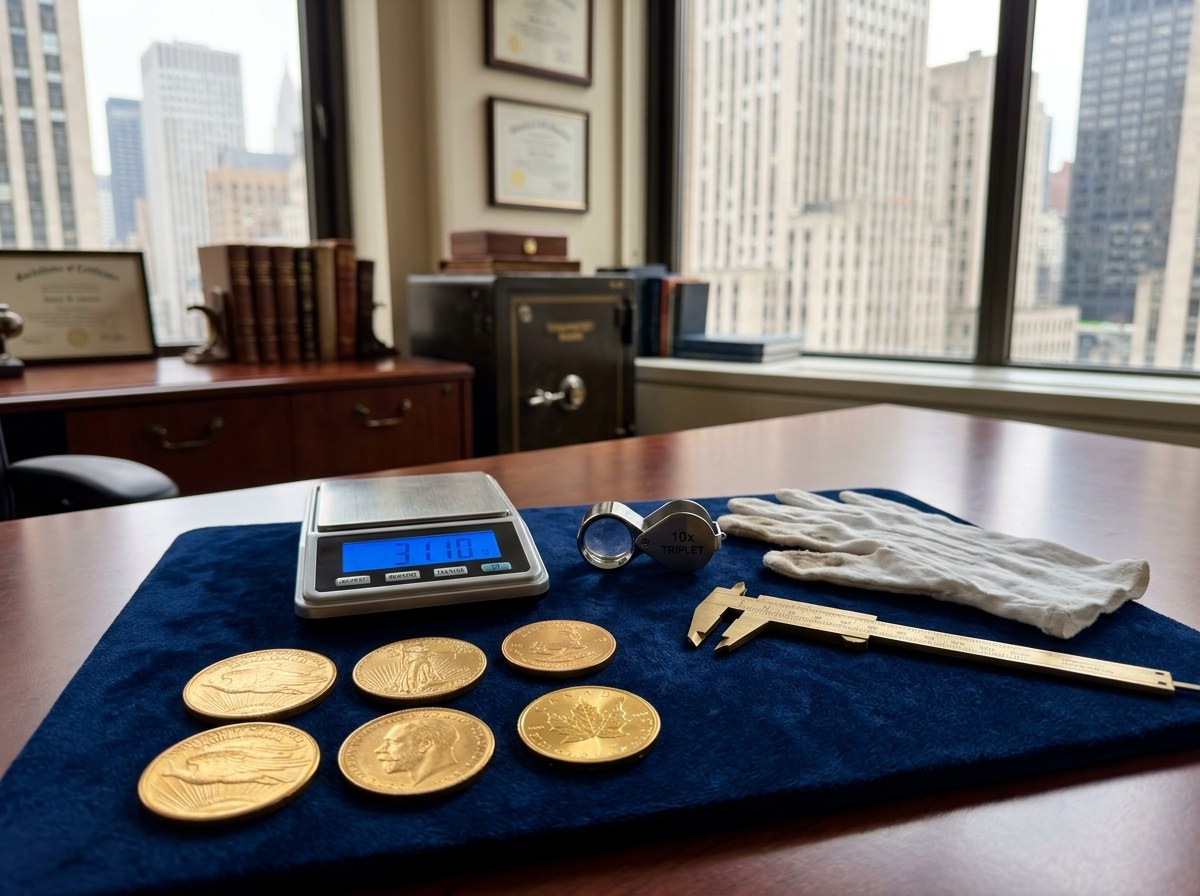
Gold coins prepared for category evaluation on appraisal mat in New York City
AUTHENTIC EVALUATION

U.S. Bullion, Vintage Gold & Certified Collections

01

Modern U.S. Bullion

22K / 24K

American Gold Eagles (1 oz, 1/2 oz, 1/4 oz, 1/10 oz) in 22K Crown gold, and 24K pure (.9999) American Gold Buffalos in standard uncirculated bullion format.

Representative Examples

American Gold Eagles, American Gold Buffalos

Evaluation Considerations

Fine gold content, format, recognizability, condition and product liquidity

Request a Gold Coin Evaluation
02

Proof & Commemoratives

Collector issues

Burnished and proof Gold Eagles, proof Buffalos, modern U.S. commemorative $5 and $10 gold issues, First Spouse gold coins, and original government packaging (OGP) sets.

Representative Examples

Proof Eagles and Buffalos, commemorative $5 and $10, First Spouse, OGP sets

Evaluation Considerations

Finish, mintage, original packaging, completeness and collector demand

Request a Gold Coin Evaluation
03

Pre-1933 Vintage U.S. Gold

Classic denominations

$20 Saint-Gaudens & Liberty Head Double Eagles, $10 Indian & Liberty Eagles, $5 Half Eagles, $2.50 Quarter Eagles, and $1 Gold Dollars (Type 1, 2, and 3).

Representative Examples

$20 Saints and Liberties, $10 / $5 / $2.50, $1 gold

Evaluation Considerations

Date, mint, variety, grade, surfaces, authenticity and collector demand

Request a Gold Coin Evaluation
04

Canadian Gold

World

Maple Leafs and other recognizable Royal Canadian Mint gold issues.

Representative Examples

Canadian Maple Leafs and other RCM gold

Evaluation Considerations

Fine gold, recognizability, condition and product market

Request a Gold Coin Evaluation
05

British and Commonwealth Gold

World

Sovereigns, Britannias, Australian Kangaroos, Lunar issues and other government gold coins.

Representative Examples

Sovereigns, Britannias, Kangaroos, Lunar issues

Evaluation Considerations

Issuing authority, fine gold, condition and collector or bullion demand

Request a Gold Coin Evaluation
06

European Gold

World

Austrian Philharmonics, Ducats, French and Swiss Francs and other European gold issues.

Representative Examples

Philharmonics, Ducats, French and Swiss Francs

Evaluation Considerations

Country, denomination, composition, condition and marketability

Request a Gold Coin Evaluation
07

African, Asian and Latin American Gold

World

Krugerrands, Pandas, Mexican Pesos and Libertads and other recognized gold coins.

Representative Examples

Krugerrands, Pandas, Pesos, Libertads

Evaluation Considerations

Recognizability, fine gold, condition and available market

Request a Gold Coin Evaluation
08

Certified and Raw Coins

Holders

Coins encapsulated by PCGS, NGC, ANACS, and ICG, including Mint State (MS60–MS70), Proof (PR/PF60–PR70), CAC-verified coins, and certified Details-graded issues. Uncertified coins in holders, albums, flips or original packaging may also be reviewed.

Representative Examples

PCGS / NGC slabs, raw coins in flips or albums

Evaluation Considerations

Holder integrity, grade opinion, surfaces and market demand

Request a Gold Coin Evaluation
09

Impaired or Altered Coins

Screen first

Cleaned, scratched, holed, mounted, ex-jewelry, damaged or environmentally affected pieces may still be reviewed.

Representative Examples

Cleaned, holed, mounted or damaged gold coins

Evaluation Considerations

Remaining collector interest, fine gold and condition limitations

Request a Gold Coin Evaluation
10

Collections and Mixed Holdings

Estates

Inherited accumulations, complete denomination runs, certified albums, gold type sets, single-country collections, mixed U.S. / world groups, bullion accumulations and estate holdings.

Representative Examples

Type sets, albums, mixed U.S. / world groups

Evaluation Considerations

Organization, completeness, duplication and efficient screening

Request a Gold Coin Evaluation
Value Routes

Is My Gold Coin Bullion or Collectible?

A coin can move between these routes as the facts become clearer. Age alone does not prove rarity. A common bullion issue in ordinary condition may trade close to its metal-driven market. A scarce date, strong grade, original proof set or desirable pre-1933 coin may require a collector-focused review.

1. Modern bullion coin

Metal-led

Fine gold weight, fineness, recognizability, condition, quantity, current gold reference and product liquidity usually drive the evaluation.

Seller Guidance: Compare fine gold content, not only karat or gross weight.

2. Proof / uncirculated collector issue

Product + metal

Metal content plus finish, mintage, condition, original packaging, certificate and collector demand can support a different route than ordinary bullion.

Seller Guidance: Keep original government packaging and certificates together.

3. Pre-1933 or older world coin

Collector-led

Authenticity, date, mint, denomination, variety, grade, surfaces, rarity, certification and demand, in addition to gold content, may be relevant.

Seller Guidance: These coins should not be valued automatically at metal content alone.

4. Damaged or common coin

Screen first

Remaining collector or product market is considered, then fine gold or recoverable-material value if a stronger route is not available.

Seller Guidance: An impaired coin can still have gold or collector value.
Gold Coin Valuation Methodology

How Is a Gold Coin Evaluated for Purchase?

Gold coin valuation integrates precision fine metal metrology with numismatic rarity screening. The team may consider the following factors:
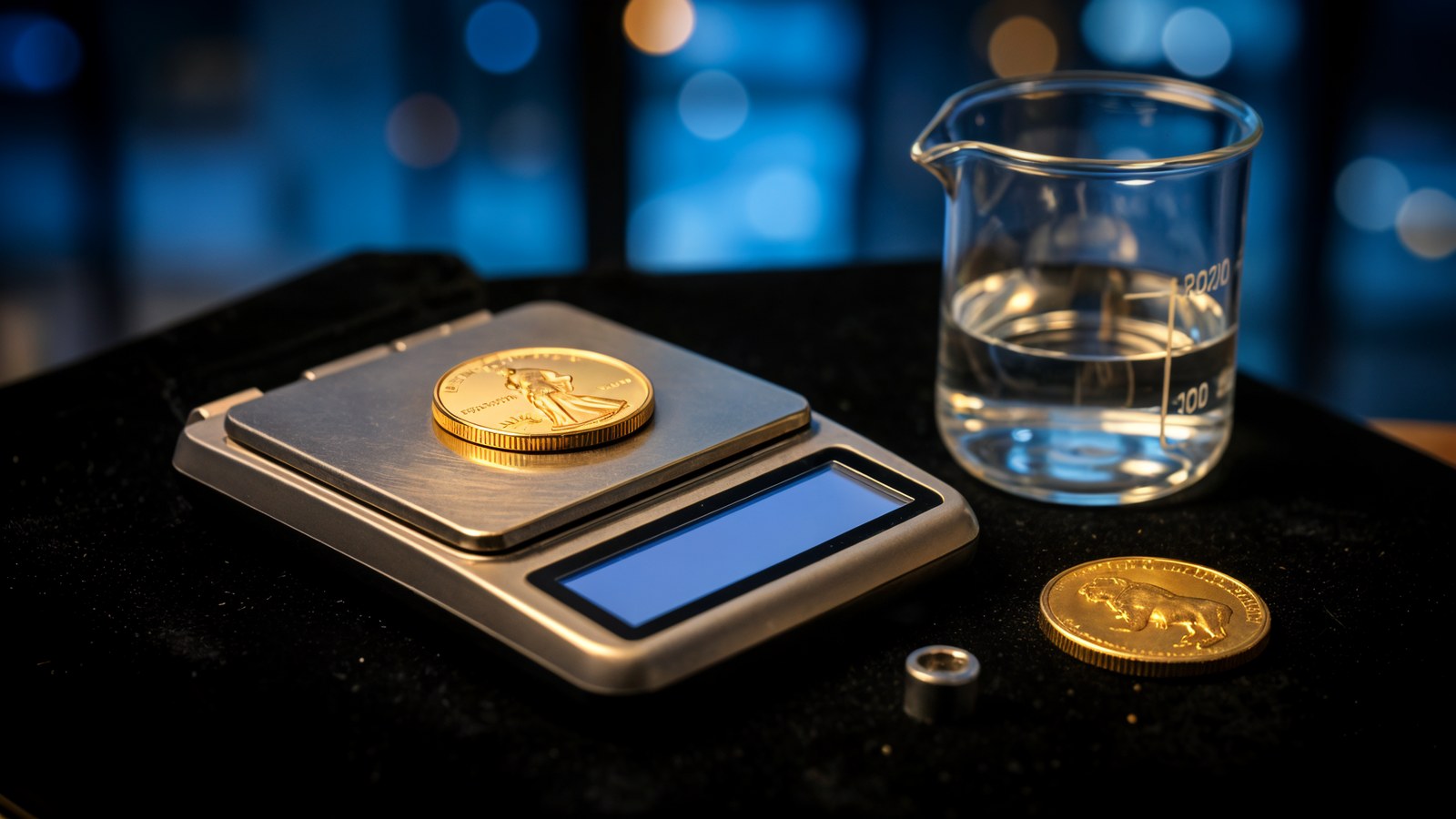
Fine gold coin weight and purity inspection on precision scale

1. Fine Gold Weight & Purity

We verify the exact net troy weight of pure gold (e.g. 0.9675 oz for a $20 Double Eagle; 1.000 oz for a Gold Eagle or Buffalo) using calibrated digital scales and specific gravity testing.

2. Product Liquidity & Recognition

Sovereign bullion coins from major government mints trade with high global liquidity, allowing immediate settlement based on live wholesale secondary market benchmarks.
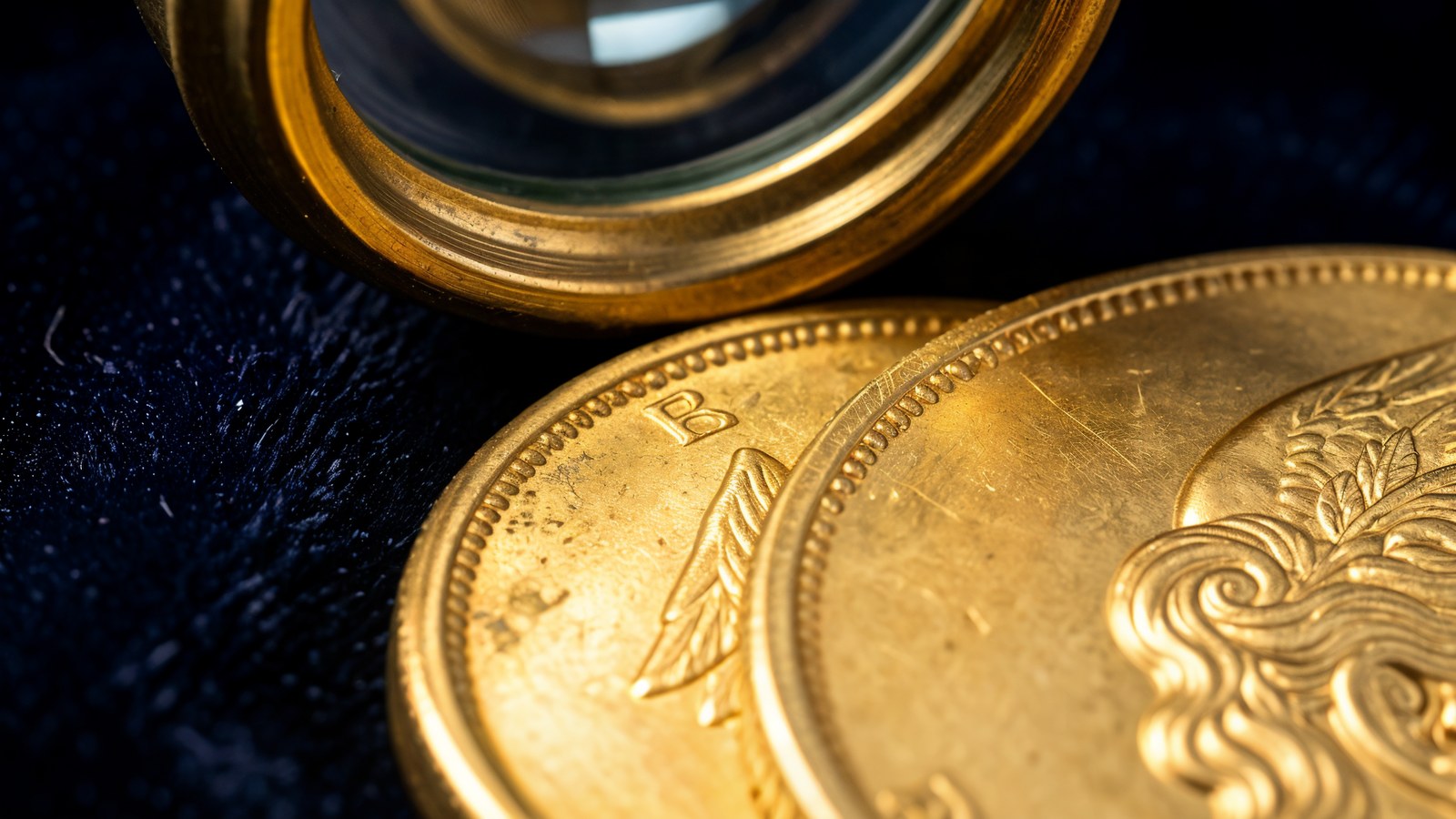
Numismatic gold coin date mint mark variety and surface condition assessment

3. Date, Mint Mark & Variety

Pre-1933 vintage U.S. gold is screened for rare mint marks (Carson City ‘CC’, Dahlonega ‘D’, Charlotte ‘C’, New Orleans ‘O’, San Francisco ‘S’) and low original mintages that command collector premiums.

4. Surface Preservation & Eye Appeal

Original mint luster, sharp strike details, and untampered surfaces determine grade. Coins with original toning are preserved; harshly cleaned or polished pieces are priced accurately.

Gold coins reviewed for issuing authority denomination and authenticity

5. Issuer, denomination and type

Whether the item is a government coin, proof, bullion issue, classic U.S. denomination, world coin or other product.

6. Authenticity

Whether design, dimensions, weight, edge, surfaces, holder and other evidence are consistent with a genuine item.
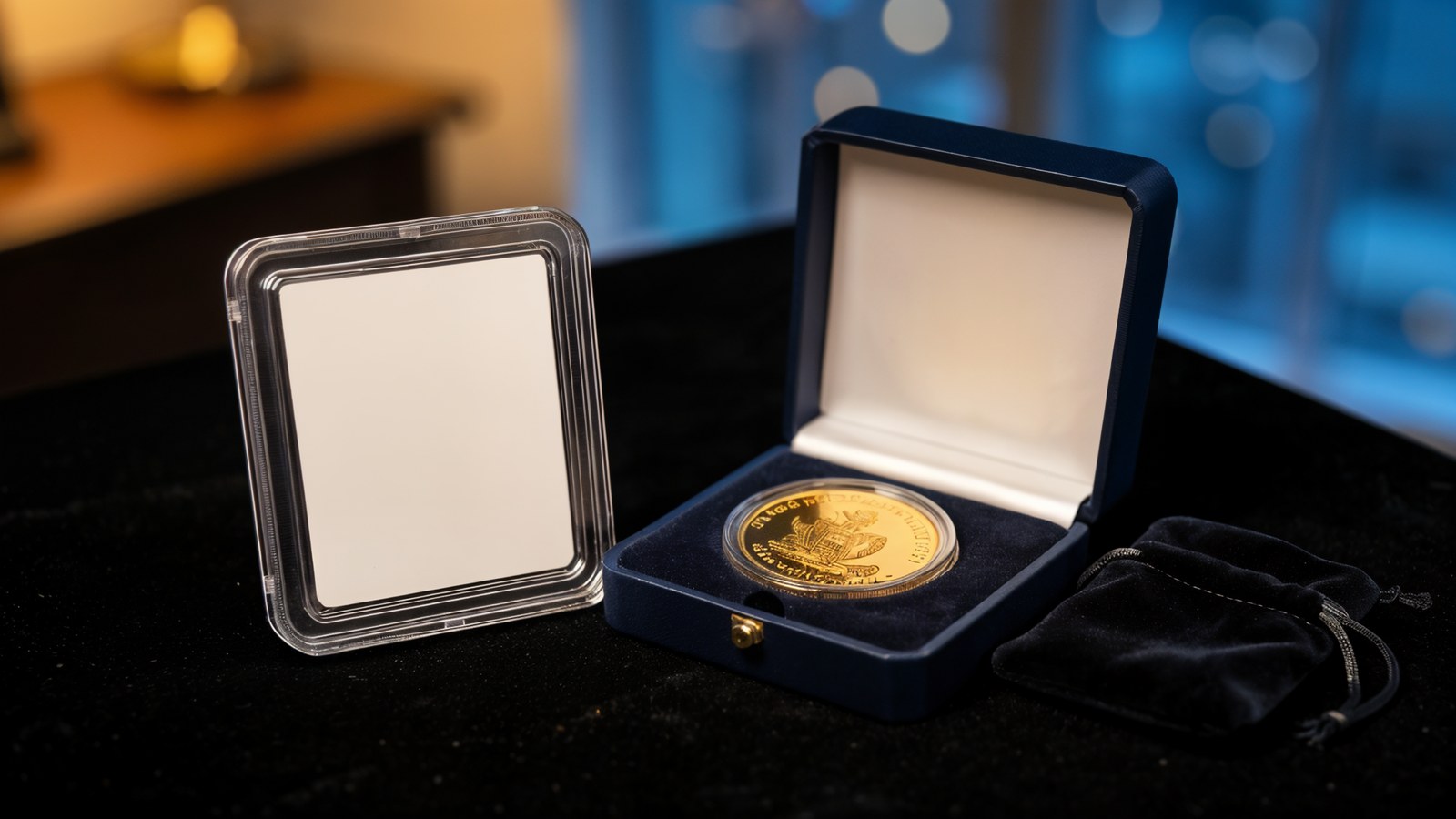
Certified PCGS NGC slabbed gold coins and original mint packaging evaluation

7. Certification

An independent service’s authenticity and grade opinion, holder condition and verification record.

8. Packaging and completeness

Original boxes, capsules, certificates, set components, receipts and service / dealer records.
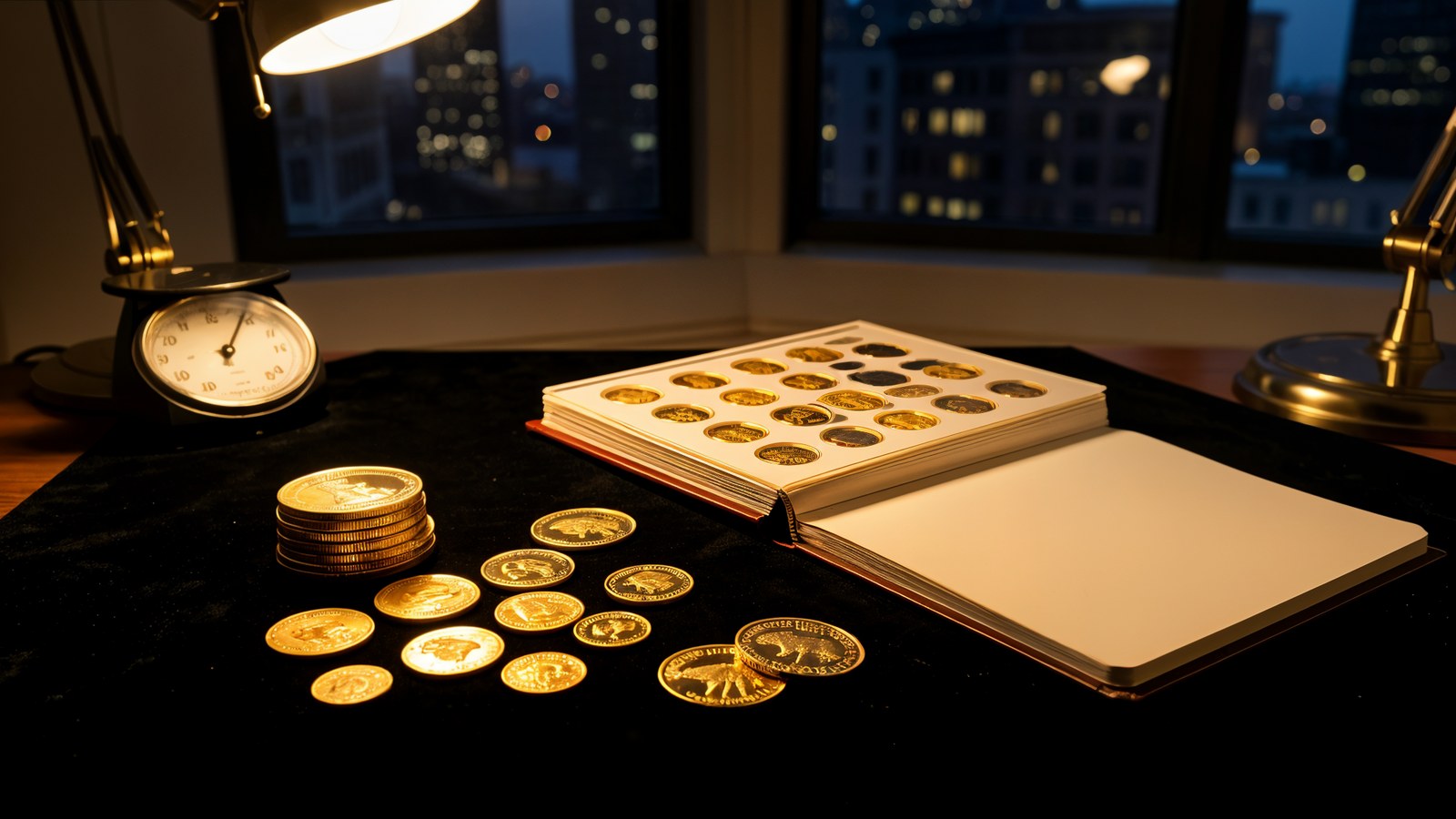
Gold coin market liquidity spot metal price and collector demand review

9. Current market demand

Bullion liquidity, product premium, dealer inventory, collector demand and comparable transactions.

10. Quantity and sale route

Whether the item is best handled individually, as a set, in a collection, as bullion or through another specialist market.

Gold Coin Metallurgical Distinction

22K Crown Gold vs. 24K Pure Gold Sovereigns

Both modern American Gold Eagles and American Gold Buffalos contain exactly 1.000 troy ounce (31.103 grams) of pure fine gold, but their total gross weight and alloy structure reflect different metallurgical traditions.

Our specialists accurately distinguish fine metal content from alloy weight to guarantee an offer reflective of the true net pure gold present in your coins.

Metallurgical Comparison

American Gold Eagle vs. American Gold Buffalo

Both flagship U.S. Mint gold coins contain exactly one full troy ounce (31.103g) of pure gold, but their metallurgical alloy and physical dimensions differ substantially:

1. American Gold Eagle

22K Crown Gold

91.67% Gold, 3% Silver, 5.33% Copper. Total gross weight is 33.931g, containing exactly 1.000 troy oz (31.103g) of pure fine gold.

Market Characteristic: Historical Crown gold alloy provides superior scratch and wear resistance during handling; highest trading volume in North America.

2. American Gold Buffalo

24K Pure Gold (.9999)

99.99% Fine Gold. Total gross weight is exactly 31.108g (1.0001 troy oz) of pure gold with zero alloy metals.

Market Characteristic: Pure 24K gold with James Earle Fraser’s iconic 1913 Buffalo design; softer surface requiring capsule protection.
Face Value

Does Face Value Determine What a Gold Coin Is Worth?

Usually not. Legal-tender gold coins may carry a denomination, but their market can be driven by fine gold content, product recognition and collector demand. A classic or rare coin can trade above both face value and metal value; a common or impaired item may not carry a meaningful collector premium. The specific coin must be identified before a conclusion is made.

Collector Market

What Can Reduce a Gold Coin’s Collector Market?

An impaired coin can still have gold or collector value. The point is to identify the correct market, not to assume the item is worthless.

1. Cleaning or abrasive handling

Surfaces

Improper cleaning, polishing, dipping or abrasive rubbing can alter original surfaces and reduce collector demand.

Seller Guidance: Do not clean or polish coins, even when they appear dirty or toned.

2. Physical damage

Condition

Scratches, rim damage, holes, mount marks, solder or jewelry alteration can reduce or change the collectible market.

Seller Guidance: Leave the coin as found.

3. Environment and spotting

Preservation

Environmental damage, residue, corrosion or severe spotting can affect the available collector market.

Seller Guidance: Keep the coin in its current holder or packaging.

4. Alteration or holder issues

Integrity

Tooling, repair, added mint marks, altered surfaces, a broken, tampered or mismatched third-party holder, or missing original packaging when completeness matters, can change the route.

Seller Guidance: Do not open a sealed holder at home.
Gold coins arranged for grading and purchase evaluation in NYC
Grading Decision

Should I Have My Gold Coin Graded Before Selling?

Not automatically. Third-party grading can help certain coins by providing an independent authenticity and condition opinion. It also involves fees, shipping, insurance and time. For common bullion or low-premium coins, grading may add little economic benefit. For a potentially scarce, high-grade or important coin, specialist advice before submission can be useful. Buyers of NYC may review raw and certified coins. A purchase evaluation is not a PCGS, NGC, ANA or U.S. Mint certification, and no affiliation with those organizations is implied.


Gold Coin Selling Comparison

Comparing Ways to Sell Gold Coins in NYC

Ensure maximum net return, immediate payment certainty, and transaction security when liquidating gold coins:

Numismatic Auction Houses

15% – 20% Commission • 60–120 Days Delay
Potential Advantages

Can achieve record prices for ultra-rare, museum-grade key dates through broad collector marketing.

Risks & Delays

15%–20% seller commissions, catalog fees, reserve failure risks, and months of waiting for auction settlement.

Online Marketplaces & Forums

10% – 13% Fees • Fraud Risk
Potential Advantages

Direct access to consumer coin buyers at your chosen target listing price.

Risks & Delays

Severe risk of chargeback fraud, fraudulent return swaps, postal insurance exclusions on gold, and 10%–13% platform fees.

General Pawn Brokers

30% – 50% Valuation Discount
Potential Advantages

Fast emergency collateral loan if you intend to redeem the coin by paying monthly interest.

Risks & Delays

Lacks specialized numismatic buyers; typically discounts gold coins to scrap metal rates (30%–50% below true wholesale value).

Step-by-Step Guidance

How the Gold Coin Selling Process Works

The gold coin evaluation is conducted in-person at our Manhattan Diamond District office with complete transparency and zero obligation to sell.

Step 01

Initial information

Share the coin type, quantity, date, grading information and photographs if useful, or bring the item to the office.

Step 02

Identification and inspection

The team reviews the coin, holder, markings, physical characteristics, condition, packaging and documents.

Step 03

Value-route selection

The coin is considered as bullion, a collectible, a hybrid product or material value only after appropriate screening.

Step 04

Market review

Relevant gold reference, product liquidity, date / grade market, certification and comparable activity are considered as appropriate.

Step 05

Potential offer and decision

If Buyers of NYC wishes to purchase the coin, it presents an offer. You may accept or decline without obligation.

Preparation Guide

How to Prepare Gold Coins

Follow these proven steps before bringing your gold coins in for valuation:

Never Clean or Dip Gold Coins

Cleaning causes microscopic hairlines that destroy original luster and reduce value.

Handle by the Edges

Avoid touching coin surfaces directly to prevent oil transfers onto delicate strike luster.

Leave Slabs Sealed

Keep certified coins inside PCGS/NGC holders and preserve original mint assay capsules.

Bring All Documentation

Include original purchase receipts, certificates of authenticity, and estate inventories.

Bring Valid Photo ID

NYC regulations require government-issued photo ID for precious metal transactions.

Comparison Checklist

Questions to Ask Every Buyer

Ensure full transparency before finalizing any sale:

Q1

Numismatic Screening Policy

Was each gold coin evaluated for collector rarity before being quoted as scrap metal?

Q2

Weight Standard Applied

Is the coin weighed in certified troy ounces and measured for net fine gold content?

Q3

Deductions & Hidden Fees

Is the quote net to you, or are melting, assay, or consignment commissions subtracted?

Q4

Payment Timing & Method

Is payment issued immediately on the spot via bank wire transfer or company check?

Q5

Facility Security & Privacy

Is the evaluation conducted in a private commercial office rather than an open counter?

Our Team

Connect with Our Experts

Our in-house team of specialists brings decades of combined experience to evaluating modern bullion, vintage U.S. gold, and world gold coins at Manhattan’s Diamond District.

Savannah Nguyen

Head of Precious Metals

Cody Fisher

Head of Fine Jewelry

Leslie Alexander

Head of Watches

Jacob M.

Head of Diamonds & Precious Stones

FAQ

Frequently Asked Questions About Selling Gold Coins

Are all old gold coins rare?

No. Millions of pre-1933 U.S. gold coins (such as common-date $20 Saint-Gaudens or $20 Liberty Double Eagles) survive in quantity and trade primarily based on their fine gold content plus a modest premium. Scarce dates, branch mints, and high uncirculated grades command substantial numismatic value.

What is the difference between 22K and 24K gold coins?

22K gold coins (like American Gold Eagles and Krugerrands) contain 91.67% gold alloyed with copper/silver for durability, weighing 33.93g gross. 24K coins (like Gold Buffalos and Canadian Maple Leafs) are 99.99% pure gold weighing 31.108g. Both contain exactly 1.000 troy ounce of pure gold.

Do I need to clean or polish my gold coins before bringing them in?

Never clean a gold coin. Wiping, brushing, or dipping causes hairline scratches that permanently reduce coin grade and eliminate collector demand. Always present coins in their uncleaned, original condition.

Do you buy gold coins in PCGS, NGC, or ANACS holders?

Yes. We evaluate and purchase certified slabbed coins in their original sonically sealed holders from PCGS, NGC, ANACS, and ICG, honoring verifiable grade standards and CAC green/gold verification stickers.

Do you buy raw or damaged gold coins?

Yes. Raw, uncertified, ex-jewelry, mounted, or scratched gold coins are evaluated accurately based on fine gold content. Our testing is 100% non-destructive and transparent.

How is payment issued?

Payment is issued immediately upon acceptance of our written evaluation via same-day bank wire transfer or company check, with zero hidden fees, assay deductions, or melting charges.

Do you buy American Gold Eagles?

Yes, American Gold Eagles may be evaluated in bullion, proof and uncirculated formats and in their standard fractional sizes. The specific version, fine gold content, condition, packaging and market determine the appropriate route.

Do you buy American Gold Buffalos?

Yes. American Gold Buffalos may be reviewed as .9999-fine gold bullion or as collector issues, depending on the version, condition and packaging.

Why does a one-ounce Gold Eagle weigh more than one troy ounce?

The coin contains one full troy ounce of fine gold plus silver and copper alloy for durability. “One ounce” refers to its fine gold content, not its total gross weight.

Do you buy pre-1933 U.S. gold coins?

Yes, pre-1933 denominations may be evaluated. Date, mint mark, type, authenticity, grade, surfaces and collector demand can be important, so these coins should not be valued automatically at metal content alone.

Do you buy foreign gold coins?

Yes, the team may review recognized Canadian, British, South African, Austrian, Australian, Chinese, Mexican, European and other world gold coins. The list on this page is representative rather than exhaustive.

Do you buy gold coins without a certificate or original receipt?

Yes. A receipt or certificate is not required for an initial review. Original packaging, grading records and provenance can help, but the physical coin still needs to be evaluated.

Does a PCGS or NGC holder guarantee the coin’s value?

No. A third-party holder provides an authenticity and grade opinion, but current demand, holder condition, the exact issue and the available market still matter. Certification does not guarantee a particular offer.

Is the free evaluation a formal appraisal or grading service?

No. It is a purchase evaluation connected to a possible direct purchase. It is not a formal insurance, estate, tax or legal appraisal, and it is not a third-party coin-grading service.

What do I need to complete a sale?

A completed transaction may require valid identification, seller information, ownership or authority documentation and transaction records. Payment method and timing depend on the transaction and current operating procedures.

Start Your Evaluation

Visit Buyers of NYC in Manhattan’s Diamond District

Buyers of NYC is located at 36 W 47th Street, Booth W07, New York, NY 10036, in Manhattan’s Diamond District. Current published hours are Monday – Friday: 10:00 AM – 6:00 PM. Appointments are preferred and walk-ins are welcome during published hours.

Manhattan Office

36 W 47th Street, Booth W07
New York, NY 10036
(Between 5th & 6th Avenues)

Hours of Operation

Monday – Friday: 10:00 AM – 6:00 PM
Appointments preferred; walk-ins welcome

Direct Phone & Email

Phone: 646-400-4553
Email: buyersofnyc1@gmail.com

For rare pre-1933 classic gold, graded numismatic slabs, or high-purity gold coin lots, calling 646-400-4553 in advance reserves dedicated time with our senior gold coin specialists.

Request a Gold Coin Evaluation

Describe your gold coins (American Eagles, Buffalos, Pre-1933 U.S., Maples, Krugerrands, World Gold, or PCGS/NGC slabs).

Condition Notice: Do not wipe or clean gold coins prior to inspection. Natural patina and original surfaces are preserved for proper numismatic evaluation. Online submissions are preliminary and do not create a purchase offer or obligation to sell.

Reviewed by Buyers of NYC Gold Coin Evaluation Team Last reviewed August 2026 | Manhattan Diamond District