
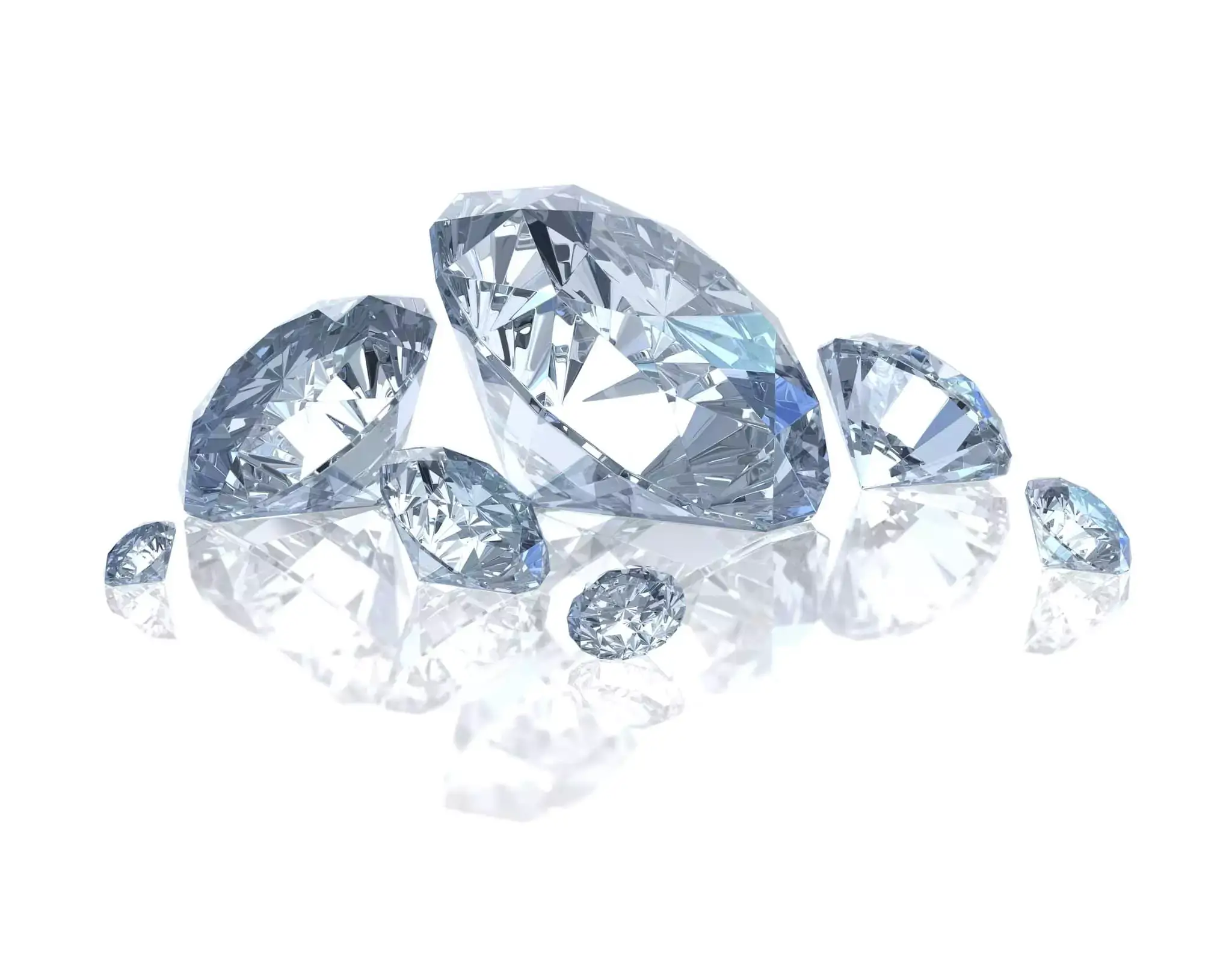





Looking to sell loose diamonds, diamond jewelry, engagement rings, certified stones, or estate diamond collections in New York City? Buyers of NYC provides honest, transparent, and immediate market evaluations from our secure 47th Street Diamond District office.
Natural, certified & estate diamond stones
4Cs precision & laser inscription check
Live evaluation in private Manhattan booths
Honest purchase evaluations with zero pressure
Buyers of NYC considers diamonds in many forms and conditions. A stone does not need to be newly purchased, flawless, or accompanied by paperwork to be reviewed. The team first identifies what the item is and then determines the most appropriate valuation path.
Round brilliant, oval, emerald, cushion, pear, marquise, radiant, princess, Asscher, heart, and other fashioned shapes.
CVD- or HPHT-grown diamonds with or without a laboratory report, evaluated against current secondary lab-grown demand.
Diamonds set in rings, earrings, necklaces, pendants, bracelets, brooches, pins, and luxury diamond watches.
Sell diamond rings →Stones accompanied by GIA, IGI, HRD, AGS, or other laboratory reports. The physical stone and report are verified together.
Stones without a grading report, purchase receipt, prior appraisal, or packaging; fully tested in-office using professional gemological methods.
Old European, old mine, rose-cut, transitional, and period cuts valued for vintage character and collector demand.
Sell antique & estate jewelry →Natural and lab-grown yellow, pink, blue, green, brown, and black diamonds, evaluated by hue, saturation, and origin.
Chipped, abraded, fracture-filled, laser-drilled, or repaired stones evaluated by remaining character, weight, and recutting potential.
Earring pairs, bracelet layouts, multi-stone suites, and parcels where visual matching and uniformity enhance value.
Items that resemble diamonds but are identified through gemological testing as moissanite, cubic zirconia, white sapphire, or glass are not valued as diamonds. Genuine colored gemstones can still be reviewed through our dedicated in-person gemstone evaluation process.
The 4Cs are an essential starting point, but they are not the entire resale evaluation. Two stones with similar headline grades can differ significantly in visual performance, condition, documentation, treatment status, shape demand, and ease of resale. Buyers of NYC clearly explains which specific factors influenced your offer.
The first question is whether the stone is diamond and, if so, whether it is natural or laboratory-grown. A diamond simulant may look similar to a diamond but is a different material. Natural and laboratory-grown diamonds require appropriate testing to separate reliably; difficult or high-value cases may warrant independent laboratory analysis. Origin is essential because natural and lab-grown stones trade in distinct markets.
Carat is a unit of gemstone weight: one carat equals 0.2 gram (200 milligrams). For loose stones, weight is measured directly on calibrated gemological scales. For mounted stones, settings may prevent direct weighing, so existing reports, precise millimeter measurements, mounting styles, and visible proportions are used to calculate an accurate estimation.
For natural diamonds in the normal color range, GIA’s D-to-Z scale runs from colorless toward increasing tint. Color evaluation requires controlled daylight lighting and certified master stones. Fancy-color diamonds follow a specialized framework where hue, tone, saturation, distribution, and natural origin are principal sources of premium market value.
Clarity describes internal inclusions and surface blemishes. Assessed under 10× magnification, grades reflect the size, number, position, nature, and color/relief of characteristics. Location matters commercially: an inclusion near an edge or a surface-reaching feather affects a stone differently from a minute, centrally diffused pinpoint.
Cut quality determines how proportions, facet arrangement, polish, symmetry, and light interaction produce brilliance and fire. While round brilliants receive standard GIA cut grades, fancy shapes (oval, emerald, cushion, radiant, pear, marquise) require specialist evaluation of outline proportions, bow-tie effects, and current consumer demand.
Laboratory reports describe UV fluorescence as None, Faint, Medium, Strong, or Very Strong. Fluorescence is neither inherently good nor bad; its commercial effect depends on the individual diamond’s body color, transparency in natural daylight, and buyer demand. The stone is evaluated visually rather than adjusted by a rigid formula.
Enhancements such as laser drilling, fracture filling, coating, irradiation, or HPHT color treatment require disclosure and affect durability and market value. Chips, abrasions, scratches, and girdle damage are evaluated for remaining character, durability, and recutting potential without automatically eliminating value.
Reports from GIA, AGS, IGI, or HRD streamline evaluation by providing verified third-party baseline measurements and laser inscriptions. The physical stone is verified against the report in our office to ensure matching characteristics. A report assists comparison but does not replace expert physical inspection.
A mounted diamond can possess substantial value beyond its center stone. Signed designer mountings (Tiffany, Cartier, Harry Winston, Van Cleef), antique settings, fine platinum/gold craftsmanship, original boxes, and provenance support purchase as a complete piece rather than ordinary component melt value.
Specialist Evaluation Rule: Keep mounted stones in their original settings when bringing them in for evaluation. Removing diamonds can risk chipping the girdle, bending delicate prongs, or erasing valuable maker hallmarks and period signatures.
Natural and laboratory-grown diamonds share many physical and optical properties, but their origins and supply conditions differ. Buyers should identify the category accurately and compare the item with the relevant market — not apply natural-diamond assumptions to a laboratory-grown stone or vice versa.
Formed through natural geological processes over billions of years deep within the earth.
Produced through controlled technological synthesis such as Chemical Vapor Deposition (CVD) or High Pressure High Temperature (HPHT).
Identified through optical examination, UV fluorescence reaction, and gemological laboratory analysis.
Identified through specialized spectroscopic screening, growth structure patterns, and micro laser inscriptions.
Standard D-to-Z reports use established 4Cs grading nomenclature (Cut, Color, Clarity, Carat).
Laboratory reports explicitly designate the stone as laboratory-grown with specific quality assessments.
Compared with natural diamonds of matching quality, carat weight, shape, certification, and secondary demand.
Compared with laboratory-grown diamonds in the current secondary market based on prevailing replacement costs.
Offer reflects full 4Cs quality, rarity, liquidity, and secondary market collector or dealer demand.
Offer reflects secondary market replacement costs rather than original retail price or natural diamond pricing.
No. These documents answer fundamentally different questions. Understanding the distinction helps set realistic expectations and facilitates accurate comparisons.
Verifies what the stone is and details observed 4Cs characteristics under standardized scientific laboratory conditions.
Does not establish a cash purchase offer, resale price, or insurance replacement value.
Estimates high retail replacement cost for insurance coverage purposes under specified assumptions.
Does not compel a cash buyer to pay the appraised amount in secondary cash resale transactions.
Calculates the immediate cash purchase offer under live secondary market and Diamond District conditions.
Provides a net written purchase offer with immediate payout and zero commissions or deductions.
Unique diamond cuts, period settings, fancy colors, and paired stones require specialized gemological evaluation:
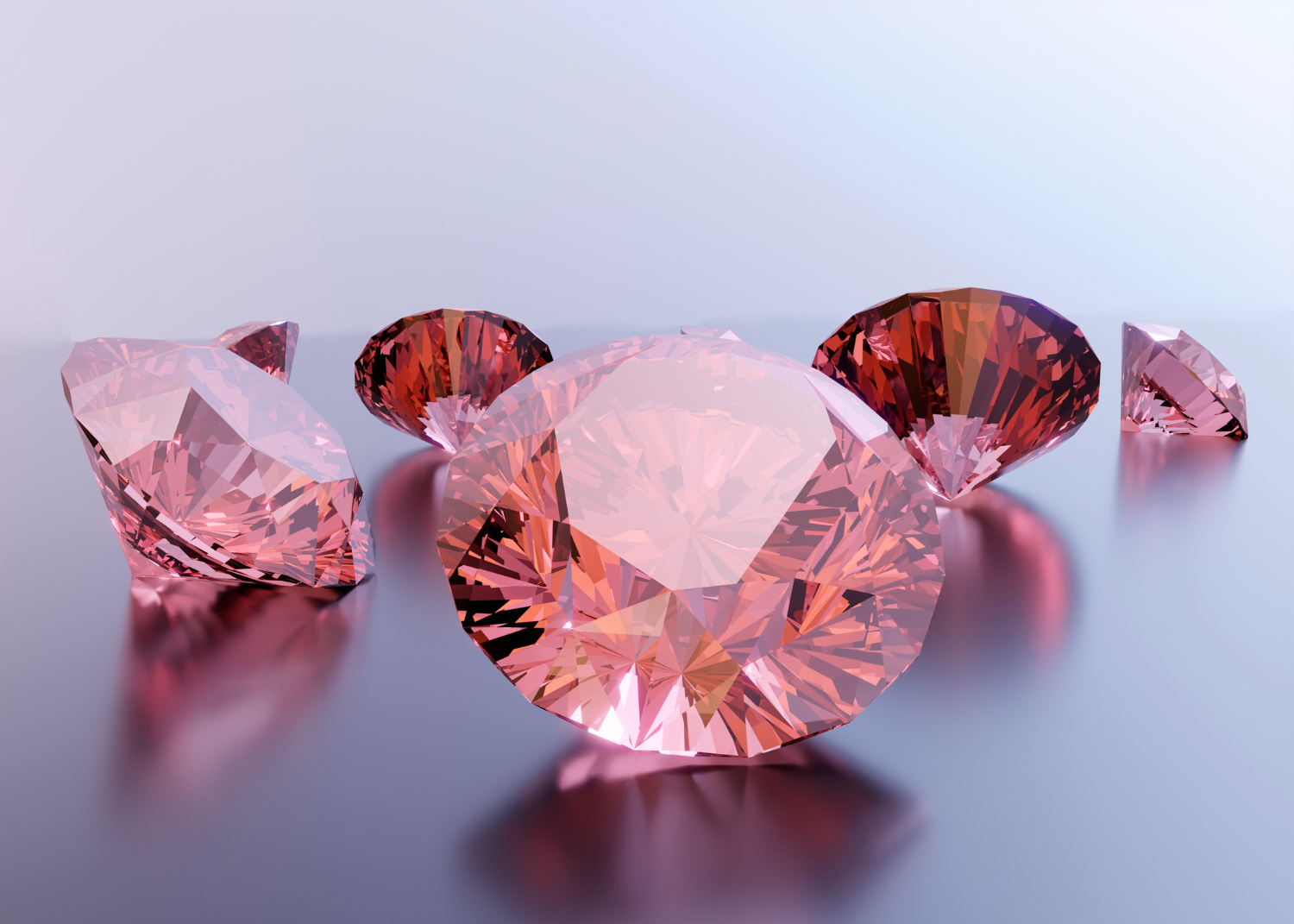
Antique & Vintage Cuts: Old European, old mine, rose-cut, and transitional diamonds have value based on period character, proportions, condition, matching, and vintage jewelry demand — not simply modern brilliant standards.
Fancy Colors: Natural yellow, pink, blue, green, brown, and black diamonds are evaluated for hue purity, saturation, tone distribution, origin, and rarity premiums in global collector markets.
Chips and Abrasions: Damaged diamonds retain substantial value. Evaluation considers whether the stone can be sold as-is, repaired, or recut and what carat weight or proportion would be preserved.
Matched Pairs and Suites: Paired stones for earrings or calibrated suites for bracelets command higher value together than as isolated loose stones due to exacting color and measurement alignment.
Mounted Stones: Keep items intact. Unmounting can cause girdle chips, bend fine prongs, or destroy valuable designer hallmarks and provenance records.
Specialist Valuation Advice: Always request an item-by-item breakdown if selling multiple pieces. Buyers of NYC separates natural from lab-grown stones and itemizes diamond, precious metal, and designer components to guarantee complete clarity.
Our four-step evaluation is conducted in-person at our Manhattan Diamond District office with complete transparency and zero obligation to sell.
Tell the team whether the diamond is loose or mounted, natural or laboratory-grown if known, and share any available laboratory reports, receipts, appraisals, brand packaging, or provenance documents.
Our certified gemologists review the stone under 10\u00d7 magnification, inspect laser inscriptions, verify 4Cs quality characteristics, check setting security, and note any mounting limitations.
Diamond quality, precious metal mounting, side stones, signed designer maker, period craftsmanship, and secondary Diamond District market liquidity are calculated together for maximum offer value.
The buyer explains the principal value factors behind the offer. You can ask questions, accept, or decline with zero obligation. If accepted, immediate settlement is completed on the spot.
Follow these 7 practical recommendations to protect your diamond and ensure an accurate, top-tier evaluation:
Bring every laboratory report (GIA, IGI, AGS), receipt, prior appraisal, repair record, brand certificate, box, and pouch you have\u2014even if older.
Do not remove stones from settings prior to evaluation. Professional in-person inspection assesses the complete piece without risking girdle damage or prong bending.
Avoid ultrasonic or steam cleaning when fracture filling, treatment history, or setting security is unknown. A gentle dry wipe is sufficient.
Bring matching earrings, side stones, loose components, original links, and every part of a suite together, as visual matching adds value.
Disclose known enhancements (laser drilling, fracture filling), repairs, or lab-grown origin to help the team select the correct evaluation path.
Valid state ID, Driver’s License, or Passport is required by New York City secondhand dealer regulations to complete the transaction.
Calling ahead for large diamonds (2+ carats), estate collections, or certified parcels reserves private booth time with our senior gemologist.
A high headline quote is misleading without verified terms. Always ask prospective diamond buyers these 8 core questions:
Was the stone definitively verified as natural, laboratory-grown, or a simulant, and what instrument testing supports that conclusion?
Were the center diamond, side stones, precious-metal setting, and designer brand evaluated separately rather than combined into a single low rate?
Did the buyer physically examine the stone for light performance and eye-cleanliness rather than reducing the offer to a paper grade?
Were treatments, chips, repairs, or recutting potential explained clearly with exact commercial reasoning?
Is the offer for the complete jewelry piece or only for selected stones, leaving you with scrap metal or unset components?
Are there hidden appraisal fees, consignment percentages, shipping costs, or later deductions from the quoted number?
How long is the written offer valid, and what immediate payment methods (wire, check, cash) are guaranteed?
Can you decline the offer, retain all your items and documents, and leave with zero obligation or pressure?
In the diamond and jewelry industries, our professionals have a combined total of over 25 years of expertise. We consequently give each and every one of our customers a competent and secure service.

Head of Diamonds & Precious Stones

Head of Watches

Head of Fine Jewelry

Head of Precious Metals
Yes. A diamond does not require a grading report to be evaluated. Our certified gemologists test the stone in-person in our Diamond District office to verify authenticity, weight, color, and clarity.
Yes. We evaluate and purchase loose and mounted laboratory-grown diamonds based on current secondary market replacement values.
No. Keep mounted stones intact. Unmounting can damage prongs or girdle edges, and eliminates valuable designer hallmarks, antique settings, or platinum mounting value.
We provide immediate settlement on the spot via bank wire transfer, certified company check, or instant cash upon transaction completion.
Yes, 100% free with zero obligation. You have full freedom to accept the offer or take time to consider.
Buyers of NYC is located at 36 W 47th Street, Booth W07, New York, NY 10036, in Manhattan’s Diamond District. Current published hours are Monday – Friday: 10:00 AM – 6:00 PM. Appointments are preferred and walk-ins are welcome during published hours.
36 W 47th Street, Booth W07
New York, NY 10036
(Between 5th & 6th Avenues)
Monday – Friday: 10:00 AM – 6:00 PM
Appointments preferred; walk-ins welcome
Phone: 646-400-4553
Email: buyersofnyc1@gmail.com
For high-carat diamonds (2ct+), fancy colored diamonds, or large estate parcels, calling 646-400-4553 in advance reserves dedicated time with our senior gemological appraisal specialists.
Describe your loose or mounted diamond (carat weight, shape, color/clarity, GIA report, or parcel) for an evaluation.
Grading Report Guidance: A GIA grading report provides independent confirmation of 4Cs characteristics, but uncertified diamonds are evaluated with equal professional care. In-person physical examination is required for final valuation.