Buyers of NYC considers sterling silver, silver jewelry, flatware, hollowware, coins, rounds, bars, scrap, and other silver-bearing items for possible purchase. The team provides free, no-obligation purchase evaluations at its Manhattan Diamond District office.
An evaluation considers the item’s construction, fineness, silver-bearing weight, condition, maker, completeness, and likely market route—not only its gross weight. Bring items to 36 W 47th Street, W07, or begin with the secure evaluation-request form.
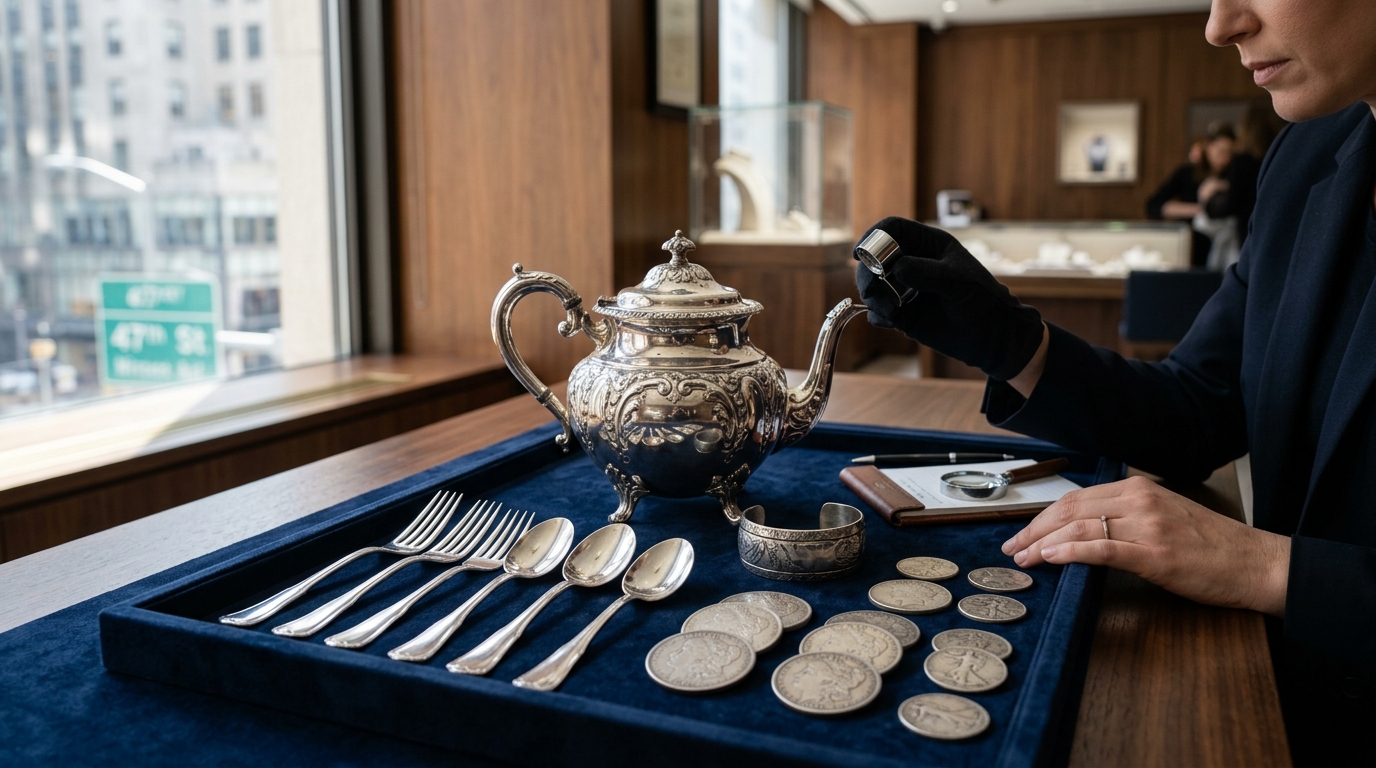
Requesting a purchase evaluation does not commit you to selling. Review any offer and decide freely.
Silver is evaluated by construction, fineness, silver-bearing weight, maker, pattern, condition, and market route—not only gross weight.
Evaluations take place in-person at 36 W 47th Street, W07, Manhattan. Walk-ins welcome during published hours.
Signed, antique, and pattern pieces are screened for complete-object or collector market before any metal route is considered.
Buyers of NYC reviews many common forms of silver. Below are the primary categories evaluated in our Manhattan office:
Complete services, place settings, serving pieces, carving sets, and mixed flatware collections.
Maker, pattern prestige, sterling content, physical condition, monograms, and completeness.
Bowls, trays, tea and coffee sets, pitchers, candelabra, centerpieces, and decorative objects.
Maker, era, artistic design, condition, and weighted versus solid sterling construction.
Sterling jewelry from recognized makers (Tiffany & Co., Georg Jensen, David Yurman, Taxco) and estate pieces.
Maker hallmarks, gemstones, clasp integrity, physical condition, and brand resale liquidity.
American Silver Eagles, Morgan and Peace dollars, 90% pre-1965 U.S. silver coinage, and world coins.
Fineness, date, mint mark, strike variety, slab certification, and numismatic market demand.
Privately minted 1 oz and fractional silver rounds from recognized commercial refiners.
Weight, verified .999 fineness, producer recognition, physical condition, and quantity.
Minted, cast, poured, vintage, sealed, loose, 10 oz, 100 oz, and 1 kilo format bars.
Weight, fineness, refiner hallmark, serial numbers, packaging integrity, and lot volume.
Damaged jewelry, incomplete flatware, fragments, findings, and worn or unusable silver.
Silver-bearing net weight, confirmed fineness, non-silver deductions, and melt recovery rate.
Pieces with worn, foreign, partial, or unfamiliar marks, heirlooms, and unverified metals.
Non-destructive XRF electronic analysis, specific gravity testing, and construction review.
Call before transporting large flatware services, multiple bars, heavy lots, or material requiring special handling. Silver-plated, weighted, or industrial silver may require advance confirmation.
Avoid scraping or filing a piece to test it before a professional review. Marks may be missing, worn, altered, misread, or inconsistent with an item’s actual precious metal construction.
These fineness categories describe materially different products with different valuation routes. Understanding which applies to your item is the first step.
Items with genuine silver content throughout
Common in many bullion products. Identity, producer, weight, and authenticity still require physical review.
Evaluation Focus: Producer, weight, packaging, and authenticity verification.
Common in jewelry, flatware, hollowware, and decorative objects. The most frequent category presented.
Evaluation Focus: Maker, pattern, condition, non-silver components, and market route.
A fineness description often found on older U.S. objects. Does not necessarily mean the object was made from melted coins.
Evaluation Focus: Country, maker, date, object type, and mark context.
Regional or European standards. Country, maker, date, and mark context help interpret what the item contains.
Evaluation Focus: Context, hallmark system, and physical review.
Items that are not equivalent to solid silver of the same gross weight
A silver surface layer over base metal. Gross weight is not equivalent to solid-silver weight. Acceptance may depend on object, maker, condition, and quantity.
Evaluation Focus: Object type, maker, quantity, and condition. Confirm before transporting a large service.
Silver shell or components around non-silver filling or reinforcement. May contain cement, resin, pitch, steel, or other material.
Evaluation Focus: Gross weight cannot equal solid-silver weight. Physical review required.
Usually a base-metal alloy despite the name. Do not assume precious-silver content from the word silver alone.
Evaluation Focus: Construction and marking review. These terms describe color, not silver content.
Recognized makers, desirable patterns, antique period, collectible coins, original packaging, and gemstone components may create additional value beyond recoverable metal.
Evaluation Focus: Screen before any melt or scrap route is selected. No premium is automatic.
The team first determines which valuation route may fit the item. A common sterling chain, a Tiffany & Co. bowl, a 19th-century flatware service, a bullion bar, and a collectible coin should not be evaluated as if they were the same product.

The evaluation considers whether the item is jewelry, flatware, hollowware, a coin, a round, a bar, scrap, or another object. Non-silver components may include steel knife blades, springs, stones, glass liners, cement-filled bases, solder, handles, packaging, or decorative material.
Fineness describes the proportion of silver in the relevant metal. Sterling is generally 925 parts silver per thousand; coin silver is generally 900; and fine silver is commonly 999. The usable calculation begins with the portion of the item reasonably attributable to silver-bearing material—not necessarily the total weight of the object.

A recognized maker, desirable pattern, period, unusual design, artist attribution, or complete service can create a potential resale or collector route. A monogram does not automatically eliminate value, and age alone does not guarantee a premium.
Dents, repairs, missing parts, replacement components, worn marks, severe polishing, corrosion, damaged packaging, and incomplete sets can affect marketability. Honest age-related toning or patina may be relevant to some collectors and should not be removed automatically.
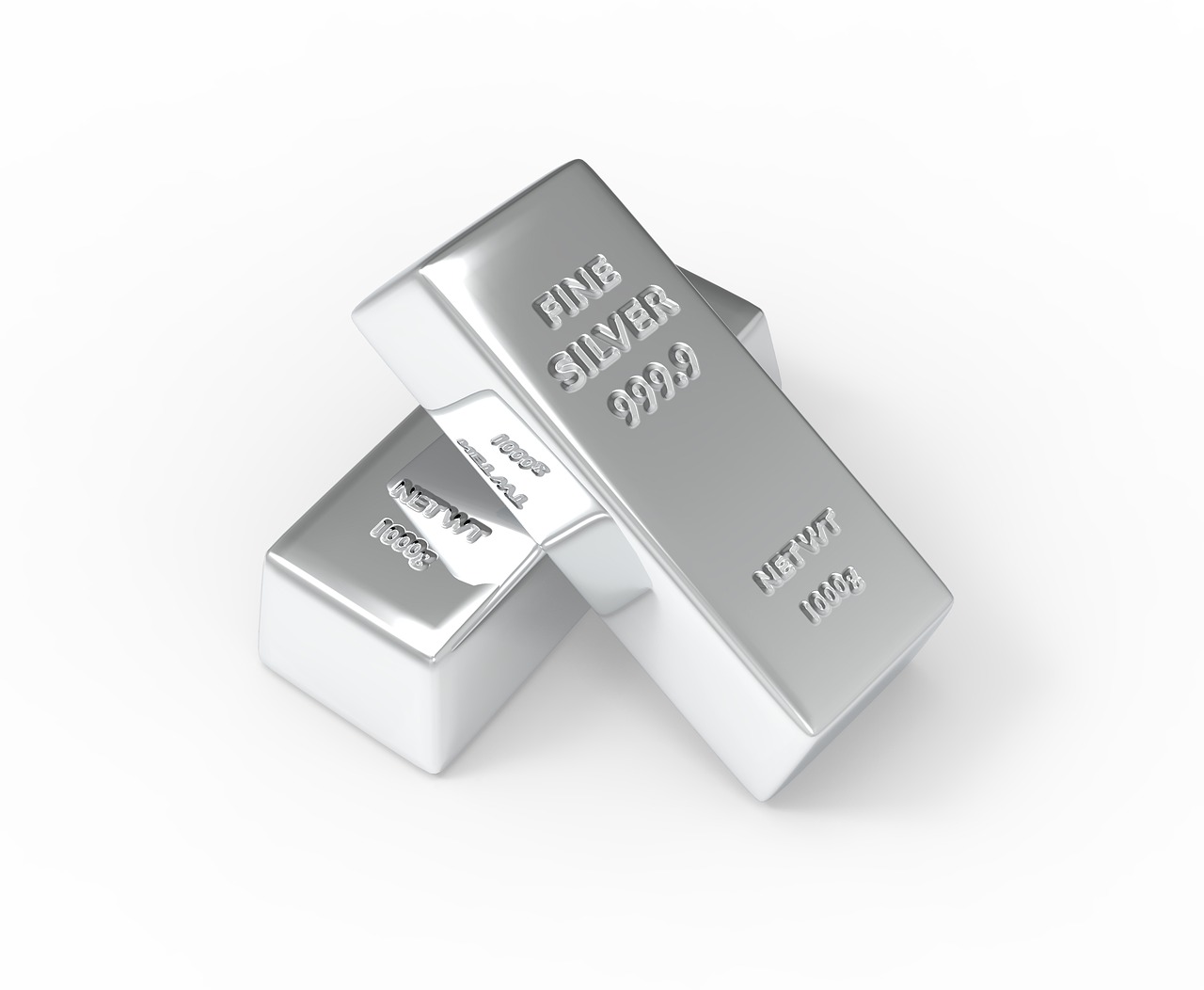
The team may consider a complete-piece market, bullion market, collector market, component route, or recoverable-metal route. A public silver quote is a reference point, not a universal purchase price for every customer-owned object.
Signed silversmith pieces (Tiffany & Co., Gorham, Georg Jensen), complete flatware services, antique filigree, and documented provenance are screened for complete-object collector value before any bulk-metal recovery route is selected.
Precious metals are commonly measured in troy ounces, pennyweights, or grams. Estimated fine-silver content is calculated by multiplying confirmed silver-bearing weight by alloy fineness.

A useful comparison requires understanding how each channel treats your silver’s fineness, non-silver components, maker value, and condition—not just the headline number offered.
Immediate payment upon agreement. No seller fees, commissions, or shipping deductions. Each factor in the offer is explained: fineness, silver-bearing weight, non-silver components, maker, and market route.
Items reviewed in-person at a licensed Manhattan office. No shipping, transit risk, or loss of possession during evaluation. Collector and maker value screened before any metal-only route is selected.
May pay above metal for desirable patterns, signed pieces, or antique hollowware if the dealer has an active buyer for that category.
Does this dealer actively buy your specific category? How is silver-bearing weight distinguished from gross weight? Are non-silver components deducted? Will maker or pattern value be considered?
May achieve above-market results for rare patterns, signed hollowware, collectible flatware services, or estate-quality pieces with documented provenance.
What are buyer’s premium and seller’s commission? What is the minimum lot value? How long before settlement? What happens if the item does not sell? Who covers insurance and shipping?
Direct access to collectors and pattern-specific buyers who may pay above bulk metal rates for desirable flatware patterns or complete services.
How are payment disputes, chargebacks, and returns handled? Who verifies authenticity? What are platform fees, shipping costs, and insurance requirements?
Some items deserve a complete-object review before any scrap or melt route is considered.
Signed jewelry, hollowware, or flatware can attract buyers who value the object rather than only the silver.
A complete or nearly complete service may follow a different market from isolated common pieces.
Age, style, craftsmanship, and provenance may matter when they are credible and marketable.
Date, mint, variety, mintage, producer, condition, and collector demand can matter beyond fine-silver content.
Boxes, certificates, receipts, labels, and inventory records can help identify an item and preserve completeness.
Jewelry may contain diamonds, colored stones, pearls, or reusable components that should be considered separately.
Five clear stages from preliminary inquiry to final offer review.
Use the evaluation form for a single item or ordinary collection. Call first for a heavy, unusual, high-volume, or specialty holding.
Include boxes, receipts, maker information, set inventories, certificates, original packaging, and loose matching parts when available.
The team examines the item’s visible construction, marks, components, condition, weight, and supporting information.
The review may distinguish complete-piece, bullion, collector, component, and recoverable-metal value.
If Buyers of NYC wishes to purchase the item, the team may present an offer and explain the principal factors. You may accept or decline; requesting an evaluation does not obligate you to sell.
Do not aggressively polish, clean, dip, or alter silver items before evaluation.
Bring silver as found. Do not aggressively polish antique, signed, collectible, or patinated pieces. Original patina protects collector value.
Do not clean silver coins, rounds, or historical medals with abrasives, chemical dips, or ultrasonic cleaners.
Keep matched flatware services, lids, inserts, cases, stands, broken pieces, and original maker boxes together.
Bring appraisals, sales receipts, maker certificates, inventory lists, and original paperwork when available.
Bring valid government-issued ID and be prepared to confirm ownership if a transaction is completed.
Call before transporting a large flatware set, heavy silver hollowware, or complex estate-controlled holding.
Ensure full transparency before finalizing any sale. Always ask silver buyers these core questions:
Is the weight shown in grams, pennyweights, or troy ounces? Is that gross weight or estimated silver-bearing weight?
What fineness is being used (.999, .925, .900, .800), and how was it verified? How are handles and solder treated?
How are weighted bases, pitch/resin filler, stainless knife blades, and non-silver components deducted?
Was the item screened for maker, pattern, collectible, bullion-product, or complete-piece value before scrap pricing?
Are there fees, commissions, shipping costs, or other deductions? How long is the offer valid and what must happen before payment?
Is the quoted number a preliminary indication or a final written purchase offer with immediate payment?
A team of buyers reviews eligible gold, silver, platinum and palladium items at our Manhattan Diamond District office. Named credentials, staff counts and testing instruments are published only when verified.

Head of Precious Metals

Head of Fine Jewelry

Head of Watches

Head of Diamonds & Precious Stones
Buyers of NYC considers many sterling and 925 items, including jewelry, flatware, hollowware, and decorative objects. A mark is a useful clue, but the complete item still needs to be reviewed for construction, condition, maker, components, and likely market route.
Silver plate contains a surface layer of silver over base metal and is not valued like solid sterling of the same gross weight. Acceptance may depend on the object, maker, condition, quantity, and current buying scope. Contact the office before transporting a large plated service.
Sterling is generally 92.5% silver, while coin silver is generally 90%. The term coin silver describes fineness; it does not necessarily mean the object was made by melting coins.
Weighted or reinforced pieces may contain cement, resin, pitch, steel, or other non-silver material. They may still be reviewable, but gross object weight cannot be treated as solid-silver weight.
Usually not. Aggressive polishing can remove material, soften detail, and affect the appearance of antique or collectible pieces. Bring the item as found unless a qualified conservator has advised otherwise.
Damaged jewelry, broken flatware, incomplete sets, and worn objects may still be considered. The team will determine whether the item has complete-piece, component, collectible, or recoverable-metal potential.
A monogram can affect some resale markets, but it does not automatically eliminate value. Maker, pattern, completeness, condition, age, silver content, and current demand also matter.
The team considers silver coins, rounds, and bars. Coins should be screened for possible collector or numismatic value, while bars require bar-specific review of weight, fineness, producer, markings, packaging, condition, and marketability.
No. Requesting a purchase evaluation does not obligate you to accept an offer. If the company wishes to buy the item, you can review the proposed terms and decide whether to proceed.
Buyers of NYC is located at 36 W 47th Street, Booth W07, New York, NY 10036, in Manhattan’s Diamond District. Current published hours are Monday – Friday: 10:00 AM – 6:00 PM. Appointments are preferred and walk-ins are welcome during published hours.
36 W 47th Street, Booth W07
New York, NY 10036
(Between 5th & 6th Avenues)
Monday – Friday: 10:00 AM – 6:00 PM
Appointments preferred; walk-ins welcome
Phone: 646-400-4553
Email: buyersofnyc1@gmail.com
For large flatware services, heavy silver collections, or high-volume estate lots, calling 646-400-4553 in advance reserves dedicated time with our senior silver appraisal specialists.
Describe your silver items (sterling flatware, jewelry, bullion, hollowware, or collection), approximate weight, markings, and condition.
Silver Care Advisory: Do not aggressively polish, buff, or chemically dip vintage sterling silver or antique hollowware prior to evaluation. Original patina supports authentic market valuation.