36 W 47th St, Booth W07, New York, NY 10036Mon–Fri: 10:00 AM – 6:00 PM
36 W 47th St, Booth W07, Diamond District
Mon–Fri: 10:00 AM – 6:00 PM (Walk-ins Welcome)
Licensed NYC Buyer • Free Precision Appraisal
Manhattan Diamond District Buyer

Sell a Diamond Necklace in NYC

Buyers of NYC provides transparent, in-person gemological evaluations and immediate payment for diamond tennis necklaces, graduated rivières, solitaire pendants, diamond station chains, and signed luxury designer pieces.

Our GIA-trained gemologists inspect table reflection, stone progression, link articulation, and precious metal purity directly in our Midtown Manhattan appraisal office with zero pressure and zero obligation to sell.
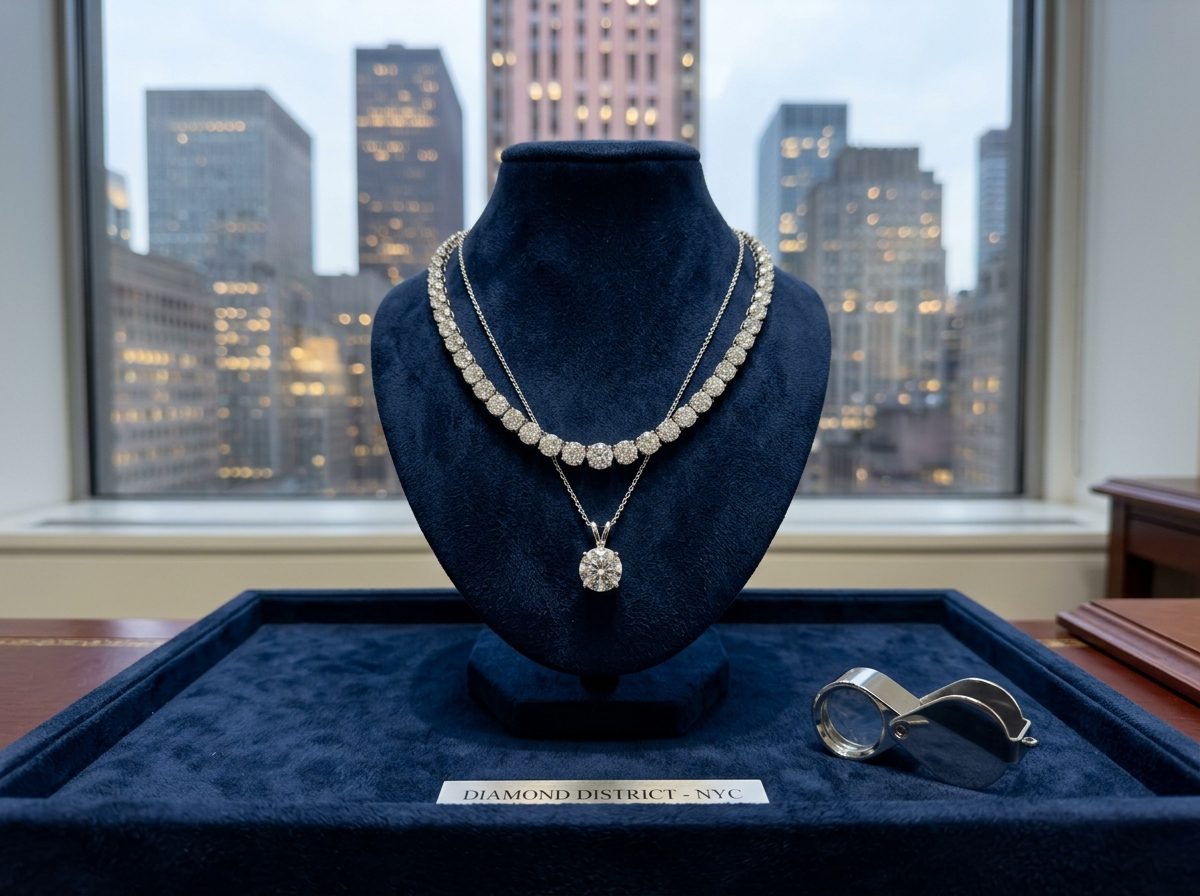

Sell a Diamond Necklace in NYC - Buyers of NYC
LICENSED & CERTIFIED IN NEW YORK CITY

Recognized Credentials, Industry Licenses & Certified Gemologists

FREE & CONFIDENTIAL EVALUATION

Why Sellers Choose Buyers of NYC for Diamond Necklaces

4Cs & Melee Calibration

Every diamond—from center solitaires to calibrated rivière stones—is analyzed for cut, color, clarity, origin, and total weight.

Chain & Pendant Distinction

We evaluate detachable pendants, integrated rivière mountings, and heavy precious metal chains individually and collectively.

Complete Piece vs. Melt

Signed designer pieces (Cartier, Tiffany, Harry Winston, Van Cleef) earn complete-item secondary market premiums above intrinsic melt.

Immediate Same-Day Payout

Receive immediate settlement via bank wire, company check, or cash on the spot immediately upon accepting our transparent offer.

Category Directory

Diamond Necklace Categories We Evaluate

From continuous line tennis necklaces to rare antique pendants and signed designer statement pieces, our gemologists provide dedicated valuations across all fine diamond neckwear:
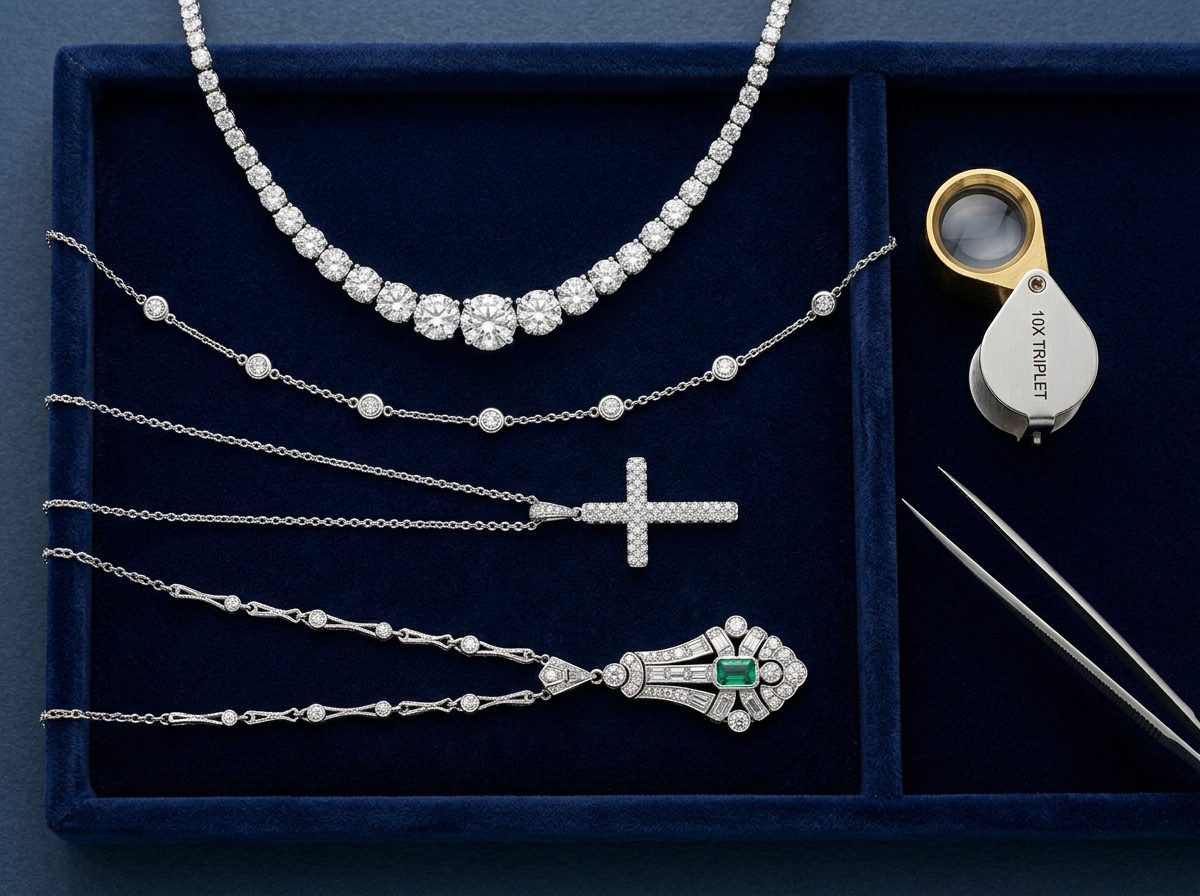
Diamond Necklace Categories We Evaluate
Featured Category

Diamond Tennis & Rivière Necklaces

01

Tennis, Line or Rivière Necklaces

Continuous Line
Representative items

Continuous row of uniform or graduated diamonds, bezel-set cascades, 3-prong & 4-prong tennis chains with concealed box clasps.

Important review questions

Total carat weight, stone progression, color/clarity matching, link articulation, length, clasp, safety latches, and structural condition.

Request an Evaluation
02

Diamond Pendant Necklaces

Solitaire & Drops
Representative items

Solitaire, halo, cluster, drop, heart, cross, medallion or other focal diamond pendants mounted on fine chains.

Important review questions

Principal stone 4Cs grading, pendant setting, bail security, chain karatage, detachable construction, and laboratory documents.

Request an Evaluation
03

Station or By-The-Yard Necklaces

Station & Intervals
Representative items

Diamonds spaced along a chain, bezel-set stations, Diamonds by the Yard styles, and multi-strand floating diamond chains.

Important review questions

Station stone count, spacing calibration, chain link condition, symmetry, overall length, clasp security, and missing stations.

Request an Evaluation
04

Diamond Chain or Link Necklaces

Articulated Links
Representative items

Diamond-set links, Cuban links, pavé curb chains, cable, rope, paperclip, or heavy link choker collars.

Important review questions

Link friction wear, hinge articulation, net precious metal weight, pavé stone security, clasp tension, and repair solder marks.

Request an Evaluation
05

Bib, Collar or Fringe Necklaces

Statement & Collar
Representative items

Broad or multi-element designs with panels, drops, clusters, cascading fringes, or multi-row diamond collars.

Important review questions

Complete structural design, fluid neckline movement, layout symmetry, missing stone elements, fine workmanship, and period rarity.

Request an Evaluation
06

Y-Necklace, Lariat or Drop Necklaces

Lariat & Drop
Representative items

Extended vertical drops, sliding gemstone elements, diamond tassels, or asymmetric focal neckline designs.

Important review questions

Slide mechanism tension, detachable drop elements, wear along sliding contact points, balance, principal stones, and overall condition.

Request an Evaluation
07

Signed, Designer or Period Necklaces

Signed & Period
Representative items

Recognized luxury makers (Cartier, Tiffany & Co., Van Cleef & Arpels, Harry Winston, Graff, Bulgari), antique, vintage, and estate pieces.

Important review questions

Authentic maker signatures, serial numbers, construction consistency, provenance, alterations, original presentation boxes, and secondary market demand.

Request an Evaluation
08

Damaged or Incomplete Necklaces

Incomplete & Salvage
Representative items

Broken chains, damaged clasps or bails, missing diamonds, absent pendants, shortened lengths, or detached sections.

Important review questions

Evaluation focuses on recoverable diamond weight, reusable components, and underlying gold/platinum bullion melt value without penalty.

Request an Evaluation
Product Format Navigator

Explore Related Fine Diamond & Jewelry Assets We Buy

Buyers of NYC evaluates all major categories of fine jewelry, diamonds, and precious metals in the Manhattan Diamond District:

Explore Rings

Diamond Rings & Engagement

Bridal & Solitaires
Working Definition

Solitaire engagement rings, three-stone rings, halo mountings, eternity bands, and antique diamond rings.

Active View

Diamond Necklaces & Pendants

Current Asset Category
Working Definition

Tennis necklaces, graduated rivières, solitaire pendants, station chains, and high-jewelry collars.

Explore Bracelets

Diamond Bracelets & Bangles

Line & Hinged
Working Definition

Classic diamond line tennis bracelets, pave bangles, designer cuff bracelets, and vintage link bracelets.

Valuation Methodology

How Diamond Necklace Value Is Evaluated

A potential purchase offer depends on the complete item and the applicable secondary market. The original retail price, a prior insurance appraisal, or total diamond weight alone does not determine a current offer. We evaluate every component systematically:
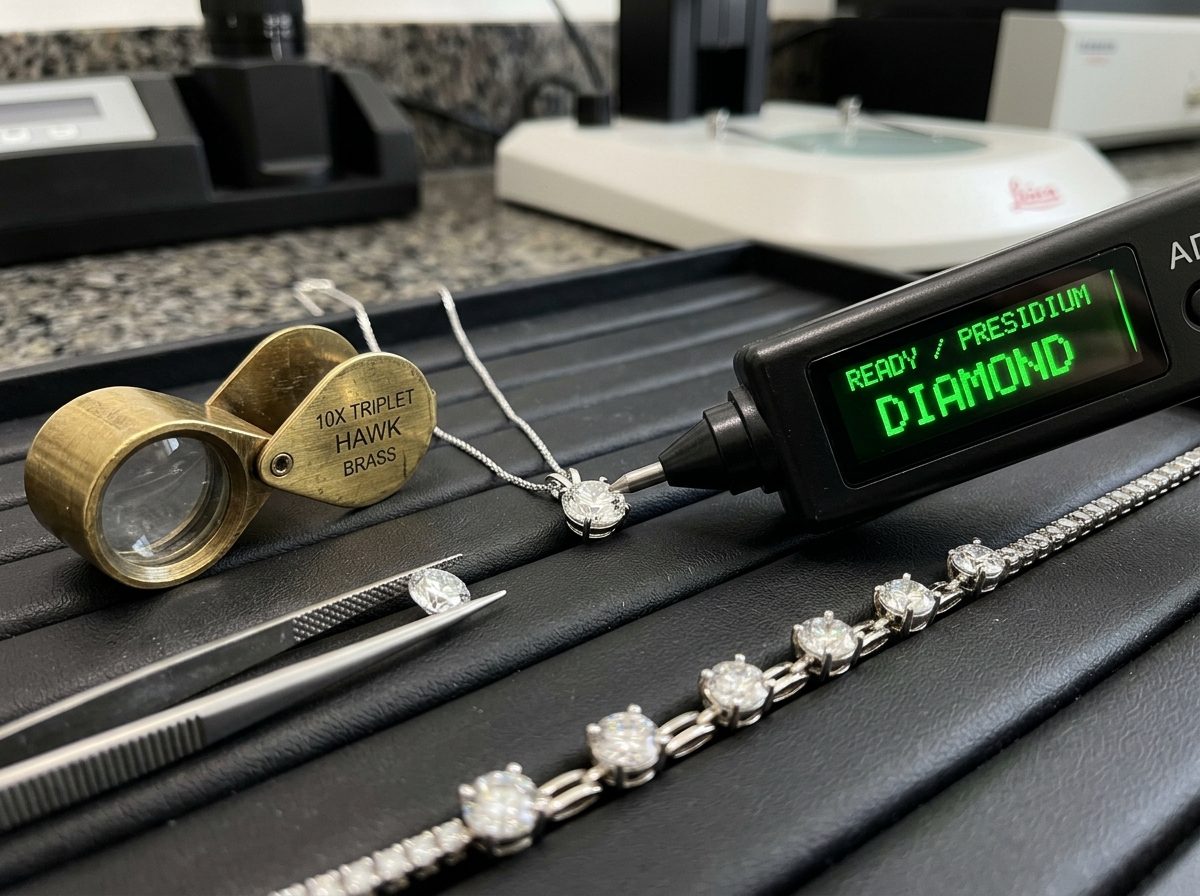
Natural vs Lab Grown Diamond Necklace Verification

1. Principal Diamonds & Supporting Stones

Origin & Quality Screening

From central pendant solitaires to repeated or graduated stone layouts, our gemologists consider natural vs. laboratory-grown origin, individual and total carat weights, cut shapes, observable or documented quality, treatments, condition, and overall design harmony.

Testing Protocol: 100% non-destructive gemological testing on-site.

2. Total Carat Weight & Stone Arrangement

Weight & Layout Distribution

Total carat weight is the combined weight of all diamonds in a necklace, not the size of the principal stone or individual diamonds. Uniform lines, deliberate graduations, repeated stations, clusters, and mixed shapes follow distinct valuation routes even at identical total weights.
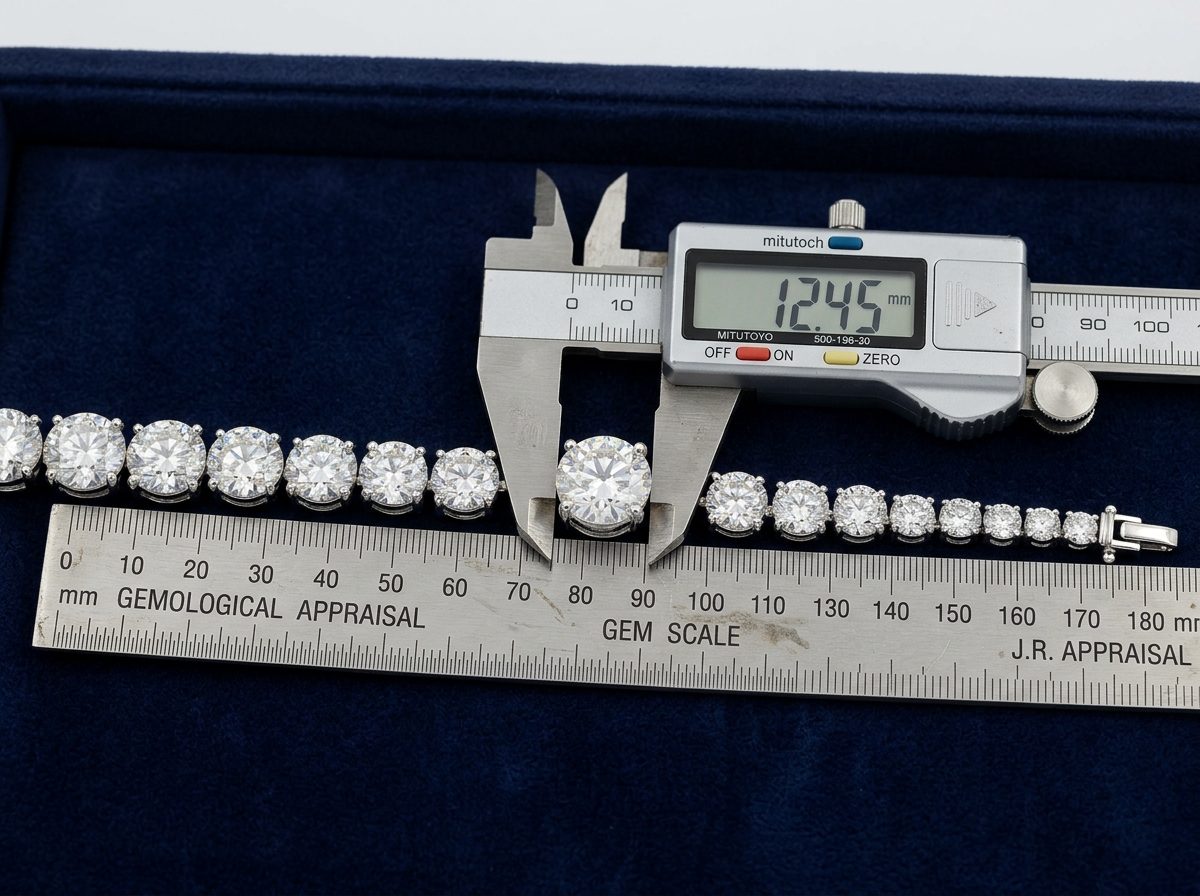
Grading Standard: Principal-stone weight distinguished from total carat weight.
Riviere Diamond Graduation and Progression

3. Rivière Progression, Stone Matching & Alignment

Progression & Matching

In tennis and graduated rivière necklaces, we evaluate stone-to-stone color, clarity, and cut consistency alongside symmetrical center-to-clasp graduation curves. Harmonious layout progression commands complete-piece secondary market premiums.

Aesthetic Benchmark: Center-to-clasp stone proportion & harmony.

4. Chain, Pendant, Bail & Mounting Architecture

Mounting Architecture

A pendant and chain may be integral, matched, or readily detachable. We review the pendant setting, bail, chain, clasp, hallmarks, workmanship, and whether components are original to one another—evaluating them both together and as independent assets.

Structural Review: Detachable components valued together & independently.
Diamond Necklace Drape and Articulation

5. Length, Drape, Articulation & Neckline Ergonomics

Articulation & Drape

A line or rivière necklace must articulate and drape smoothly along the collarbone without stiffening, twisting, or flipping. Length influences wearability and completeness, while flexible joints and hinges are inspected for wear or previous repairs.

Ergonomic Check: Flat neckline drape & flexible link hinges.

6. Bail Security, Clasps & Safety Latches

Mechanical Integrity

We inspect pendant bails for grooving or thinning and test box clasps, figure-eight safety catches, and tongue latches to verify proper function, spring tension, and structural security without loose components.
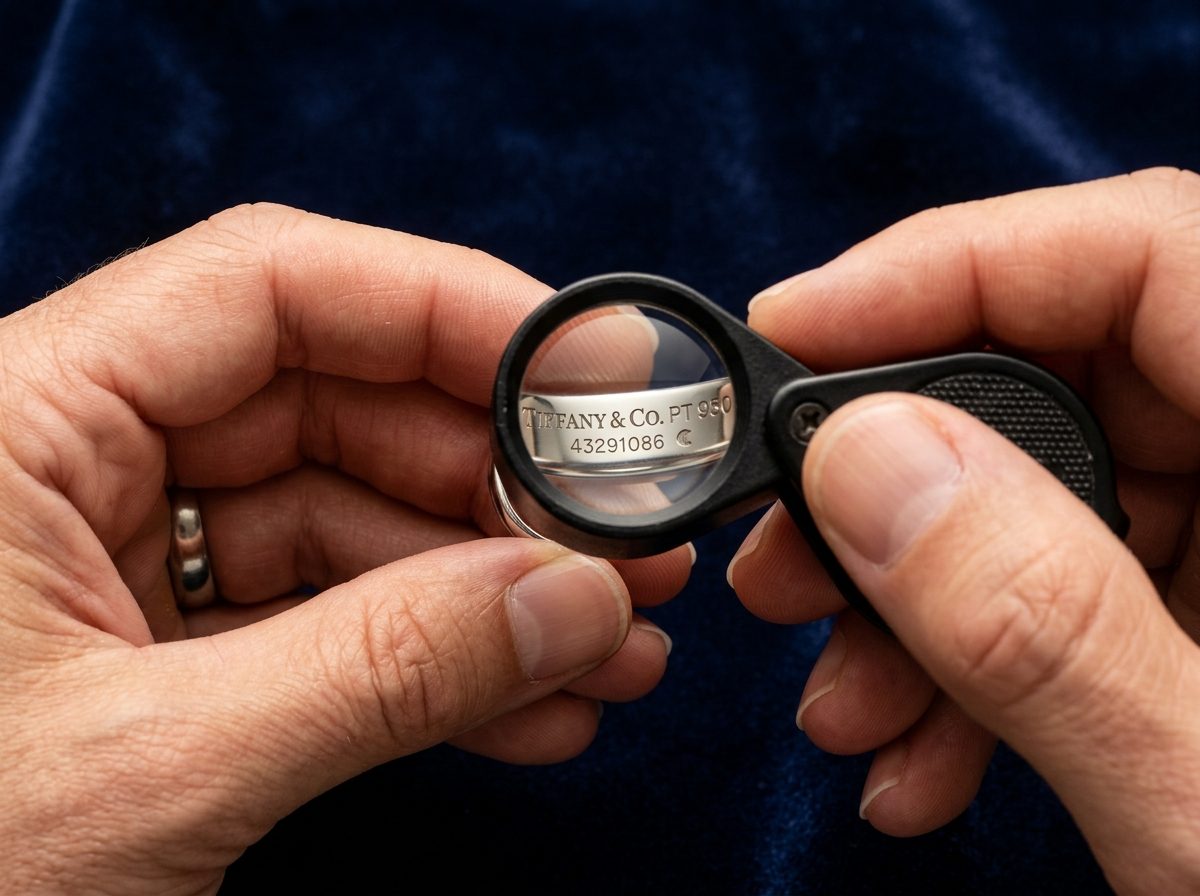
Safety Check: Clasp tension & safety catch verification.
Precious Metal Content and Designer Provenance

7. Precious Metal Purity, Hallmarks & Net Troy Weight

Precious Metal Content

Settings in platinum (PT950/PT900) or gold (10K, 14K, 18K) are tested for exact alloy purity. Net precious metal weight is isolated from stone weight on certified legal-for-trade scales to ensure full intrinsic value payout.

Scale Calibration: Certified legal-for-trade scale weight.

8. Maker, Period, Alterations, Documents & Market Demand

Brand & Provenance

A verified maker (Cartier, Tiffany & Co., Van Cleef & Arpels, Harry Winston, Graff), period design, credible provenance, original box, receipts, or repair records elevate complete-piece secondary market demand well above intrinsic melt.

Brand Premium: Authentic maker stamps & original packaging.
Structural Distinction

What Is the Difference Between a Diamond Necklace and a Diamond Pendant?

Understanding mounting architecture and chain integration ensures precise separate and combined component appraisal:

Pendant vs. Full Necklace Structure

Mounting Architecture

A diamond pendant is a decorative element that hangs from a chain or necklace. The pendant may be detachable, permanently integrated or part of a convertible design. A diamond necklace can also contain diamonds throughout the chain, at repeated stations or in a continuous line.

Design Characteristic: Detachable drops, station intervals & continuous line mountings.

Preservation & Appraisal Review

Preservation Protocol

When the pendant and chain belong together, bring both. The team may consider them as a complete item and may also review their separate components. Keep the original chain, alternate chain, extender, detachable drop, box and documents with the piece whenever possible.

Client Protocol: Bring original chain, extenders & documentation intact for review.

What Matters in a Tennis or Rivière Necklace?

A line, tennis or rivière necklace is evaluated as a coordinated arrangement. Relevant questions may include:

1. Line Progression & Symmetry

Is the line uniform, intentionally graduated or designed around a focal center?

2. Stone Size & Weight Spread

How are the stones distributed by size, shape and total weight?

3. Adjacent Diamond Consistency

Do adjacent diamonds appear consistent in color, clarity, cut-related appearance and origin?

4. Drape & Joint Articulation

Does the necklace articulate and drape smoothly, or are sections stiff, twisted, stretched or repaired?

5. Length & Alteration Status

Is the length original, shortened, lengthened or fitted with an extender?

6. Clasp Closure & Safety Latches

Does the clasp close correctly, and is any safety system complete?

7. Missing or Replaced Elements

Are stones, links or detachable elements missing or replaced?

8. Packaging, Reports & Receipts

Are original sections, loose stones, packaging, reports or receipts available?

Graduation & Design Balance Principle

A graduated necklace is not defective merely because every diamond is a different size. The intended progression, visual balance and consistency within each part of the design matter more than numerical identity.


Core Valuation Guideline: Aesthetic balance and layout harmony dictate complete-piece secondary market liquidity.
Necklace Classification

Necklace Layout & Condition Classification

How different diamond necklace configurations and conditions are categorized for purchase evaluation:

Full Intact Necklaces

Complete Layouts

Continuous tennis, graduated rivière, and station necklaces with complete stone counts, uncompromised articulation, and working safety clasps evaluated as complete fine jewelry.

Valuation Route: Complete finished jewelry secondary market premium.

High-Carat Principal Solitaires

Pendants & Drops

Solitaire pendants and drops where primary value resides in the center diamond, with chain metal evaluated separately as supplementary asset value.

Valuation Route: Individual 4Cs diamond pricing + chain metal payout.

Shortened or Component Lots

Damaged / Broken

Broken chains, necklaces with missing stones, removed extender links, or damaged clasps evaluated for recoverable diamond weight and precious metal melt.

Valuation Route: Component recovery + intrinsic bullion melt value.
Appraisal Advisory

Appraisal & Condition Considerations

Key evaluation principles regarding component separation, condition status, and documentation when selling a diamond necklace or pendant:

How Are a Diamond Pendant and Chain Considered?

The principal diamond, pendant setting, bail, chain and clasp can contribute in different ways. A laboratory report may describe the principal stone; the chain may have separate metal and maker marks; and the pendant may contain additional diamonds or gemstones. A complete, original combination can be marketable together, while a replacement chain may be reviewed as a separate component.

Do not discard a broken chain or move the pendant to a new chain solely before evaluation. Bring every component so the team can see the current item and its history.

Can a Broken, Shortened or Incomplete Necklace Still Be Evaluated?

Yes, a necklace may still be reviewed if the chain is broken, the clasp or bail is damaged, a stone is missing, the piece was shortened, or a pendant or detachable section is absent. The team may consider the remaining complete-piece potential, repair implications, principal stones, reusable components and recoverable metal.

Keep loose links, removed sections, extenders, clasps, stones, pendant parts, alternate chains and documents together. Do not repair, restring, solder or alter the necklace solely to improve an expected offer.

Do I Need a Diamond Report or Prior Appraisal?

No document is required simply to request a purchase evaluation. Reports, receipts, prior appraisals, original boxes and repair records can help identify principal stones, stated total weights, materials, maker and history, but none guarantees authenticity, value or an offer.

Mounted multi-stone jewelry has practical limitations. A setting can obscure parts of the diamonds, influence perceived color and prevent exact loose-stone weighing. The team relies on observable characteristics, measurements and supporting evidence while clearly labeling estimates and limitations.

Channel Comparison

What Are the Main Ways to Sell a Diamond Necklace?

Ensure maximum financial return, immediate settlement speed, and counterparty security when liquidating your fine diamond necklace:

Retail Jeweler Trade-In

Store Credit Focus • Retail Margins
Potential Advantages

Convenient if you intend to purchase new retail jewelry from the same establishment and accept store credit.

Risks & Questions to Ask

Trade-in values are typically restricted to store credit rather than cash liquidity, and new inventory prices may be marked up to offset allowances.

Auction House / Consignment Gallery

15% – 25% Fees • 60–120 Days Delay
Potential Advantages

Effective for rare, historically important museum-grade diamond necklaces with established international collector interest.

Risks & Questions to Ask

High seller commissions (15%–25%), cataloging and insurance fees, long catalog delays, and risk of unsold reserve buy-back fees.

Private Peer-to-Peer Marketplace

Direct-to-Consumer • Payment Risks
Potential Advantages

Potential to reach an end buyer directly if selling a standardized commercial diamond necklace.

Risks & Questions to Ask

High exposure to fraudulent payment chargebacks, counterfeit escrow scams, meeting safety risks, and dispute claims on diamond grading.

Step-by-Step Guidance

What Happens During a Diamond Necklace Evaluation?

Our 5-step evaluation protocol is conducted in-person at our Manhattan Diamond District office with complete transparency and zero obligation to sell:

Step 01

Share Necklace Details

Share details regarding style (tennis, rivière, pendant, station), approximate total carat weight, precious metal karatage, and any available documentation.

Step 02

Plan Your Visit

Visit Buyers of NYC at 36 W 47th Street, W07 in the Diamond District. Walk-ins are welcome; appointments guarantee dedicated gemologist time.

Step 03

Itemized Inspection

Our gemologists test diamond origin, assess 4Cs progression, test precious metal fineness on calibrated scales, and verify maker marks in your presence.

Step 04

Review Purchase Offer

We provide a clear, itemized written offer explaining how principal stones, melee layout, precious metal weight, and brand provenance contribute to total value.

Step 05

Immediate Settlement

Upon accepting our offer, receive immediate payment via bank wire, company check, or cash on the spot with complete documentation.

Preparation Guide

How Should I Prepare the Necklace?

Bring the necklace as found. Practical steps to protect chain drape, settings, and valuation accuracy:

Bring Necklace As Found

Bring the necklace as found. Avoid aggressive polishing, chemical cleaning, restringing or ultrasonic cleaning when its age, materials or construction are uncertain.

Do Not Alter Before Evaluation

Do not shorten, lengthen, solder, replace the chain, repair the clasp or bail, remove a pendant or replace a missing stone solely before evaluation.

Keep Pendants & Chains Together

Keep pendants, alternate chains, extenders, loose links, stones, clasps, detachable drops and removed sections together.

Gather Reports & Receipts

Bring laboratory reports, receipts, prior appraisals, original boxes, repair records and photographs when available.

Lay Flat During Transport

Lay long or fragile necklaces flat in a suitable jewelry box or soft container rather than allowing them to knot or abrade during transport.

Schedule for Antique or High-Value Pieces

Call before bringing a large collection, exceptionally fragile antique or high-value piece.

Transparency Framework

How Can I Compare Diamond Necklace Offers?

Ask each potential buyer to explain the basis of the review across these essential criteria:

Q1

Complete Piece vs. Metal Route

Was the necklace considered as a complete piece before a component or metal-only route was selected?

Q2

Principal Stone & Progression

How were principal-stone weight, total carat weight, stone progression and origin considered?

Q3

Chain, Pendant, Bail & Clasp

Were chain, pendant, bail, length, drape, clasp, repairs and missing components discussed?

Q4

Maker, Period & Documentation

Were maker, period, documents, original sections and detachable elements considered?

Q5

Fee & Deduction Transparency

Are there fees, commissions, shipping charges, return conditions or timing restrictions?

Q6

Written Offer vs. Preliminary Quote

Is the number a preliminary image-based indication or a final offer after physical inspection?

Our Team

Appraisal Team & GIA Experts

Every diamond necklace brought to Buyers of NYC is evaluated on-site by certified gemologists, jewelry appraisers, and precious metal assay specialists.

Savannah Nguyen

Head of Precious Metals

Cody Fisher

Head of Fine Jewelry

Leslie Alexander

Head of Watches

Jacob M.

Head of Diamonds & Precious Stones

FAQ

Frequently Asked Questions About Selling a Diamond Necklace

Do you consider diamond tennis or rivière necklaces?

Yes. Continuous line and graduated necklaces may be reviewed for total weight, progression, matching, metal, articulation, length, clasp, condition, documents and current marketability.

Can I sell a diamond pendant without its original chain?

The pendant may still be evaluated. Bring any available chain, bail components, box, receipt or report so the team can consider the principal stone, setting, metal and completeness.

Can the chain be considered separately from the pendant?

Yes. A detachable chain and pendant can be reviewed as a complete combination and as separate components. Their maker, metal, condition and whether they originally belonged together may be relevant.

What does total carat weight mean on a necklace?

It is the combined weight of all diamonds in a diamond-only piece. It does not identify the size of a principal stone or every individual diamond.

Do all necklace diamonds need reports?

No. Small stones in multi-stone jewelry are often not individually reported. Reports for principal stones and other supporting documents can help, but the necklace may still be reviewed without them.

Do you consider natural and laboratory-grown diamond necklaces?

Both may be considered under the company’s active purchase policy. Origin, stone characteristics, metal, condition and current demand are reviewed separately; an offer is not guaranteed.

Can a broken chain or missing diamond still be evaluated?

Yes. The team may consider the remaining necklace, principal stones, repair implications, reusable components and precious metal. Bring every loose part with the item.

Do you consider signed, antique or inherited necklaces?

Yes. Maker, period, design, provenance, condition, alterations, documents and complete-piece marketability may all be relevant. A signature or family story does not by itself prove authenticity or value.

What if the necklace was shortened, lengthened or converted?

Bring removed sections, extenders and records when available. Alterations can affect completeness, but they do not automatically eliminate the item from consideration.

Am I required to sell after the evaluation?

No. The purchase evaluation is free and carries no obligation. You may review any offer and decide whether to proceed.

Start Your Evaluation

Visit Buyers of NYC in Manhattan’s Diamond District

Buyers of NYC is located at 36 W 47th Street, Booth W07, New York, NY 10036, in Manhattan’s Diamond District. Current published hours are Monday – Friday: 10:00 AM – 6:00 PM. Appointments are preferred and walk-ins are welcome during published hours.

Manhattan Office

36 W 47th Street, Booth W07
New York, NY 10036
(Between 5th & 6th Avenues)

Hours of Operation

Monday – Friday: 10:00 AM – 6:00 PM
Appointments preferred; walk-ins welcome

Direct Phone & Email

Phone: 646-400-4553
Email: buyersofnyc1@gmail.com

For high-value diamond rivière necklaces, large solitaire pendants (2ct+), or signed estate pieces, calling 646-400-4553 in advance reserves dedicated time with our senior diamond and jewelry specialists.

Request a Diamond Necklace Evaluation

Describe your diamond solitaire pendant, rivière necklace, station chain, or designer collar (carat weights, cut, metal, and chain length).

Pendant & Rivière Guidance: Solitaire pendants are evaluated based on the principal center stone 4Cs and chain metal, whereas continuous rivière necklaces are evaluated based on graduation, stone matching, and total carat weight.

Reviewed by Buyers of NYC Diamond Evaluation Team Last reviewed August 2026 | Manhattan Diamond District