
Buyers of NYC purchases previously owned jewelry, including inherited collections, vintage and antique pieces, signed jewelry, old-cut diamond jewelry, colored-stone pieces, pearls, precious-metal jewelry, and damaged items. Our team reviews the collection carefully so an important maker, gemstone, period design, or complete set is not reduced automatically to scrap value.
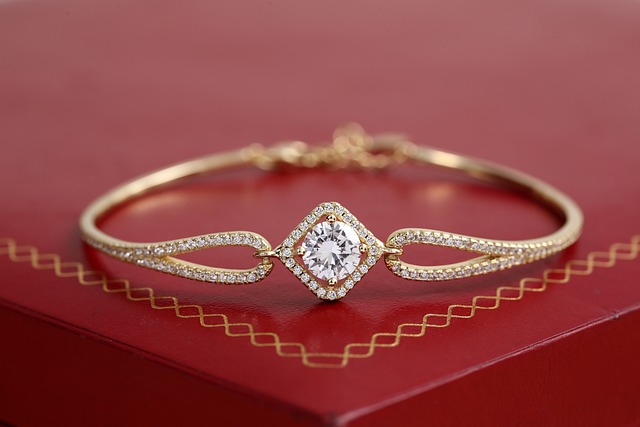
Victorian, Art Deco, Retro & Mid-Century expertise
Single items or multi-generation family estates
Matched suites, original boxes, and records kept together
Private consultation with zero pressure
Estate jewelry generally means previously owned jewelry. It may have been inherited, collected over decades, received as a gift, or owned by one custodian for a lifetime. Precise market terminology directly impacts secondary resale valuation:
Any previously owned jewelry regardless of age. Inheritance is common but not required; encompasses modern pre-owned, vintage, and antique pieces.
Jewelry crafted in a prior generation that is not contemporary but under 100 years old (e.g. Mid-Century Modern, Retro 1940s, 1970s statement jewelry).
Authentic pieces crafted over 100 years ago (Victorian, Georgian, Edwardian). Features antique diamond cuts and historic hand-fabrication techniques.
A personal descriptor for items passed down through family generations. May be fine, custom-made, signed, or modest in commercial value.
Jewelry firmly attributed to an iconic artistic movement (Art Nouveau, Art Deco, Belle Époque). Must be verified by construction evidence.
GIA Standards & Classification Guidance: The Gemological Institute of America (GIA) defines estate jewelry as pre-owned, vintage as non-contemporary under 100 years old, and antique jewelry as over 100 years old. Buyers of NYC respects these strict gemological standards to deliver clear, defensible evaluations.
We purchase estate jewelry across all eras, styles, and precious materials. Our evaluation accounts for individual signed masterworks, matched antique suites, and complete multi-generational estate collections.
Rings, necklaces, bracelets, earrings, brooches, pendants, cufflinks, lockets, and complete multi-generational family groupings.
Request EvaluationVictorian, Edwardian, Art Nouveau, Art Deco, Retro, Mid-Century, and distinctive period or revival masterworks.
Request EvaluationTiffany & Co., Cartier, Van Cleef & Arpels, Bvlgari, Harry Winston, David Webb, Buccellati, and historic maker workshops.
Request EvaluationOld mine, old European, transitional, rose cut, and fancy-shape diamonds in rings, brooches, earrings, bracelets, and tiaras.
Request EvaluationBurma rubies, Kashmir/Ceylon sapphires, Colombian emeralds, fine spinel, tourmaline, alexandrite, natural opals, and jade.
Request EvaluationAntique natural pearl strands, South Sea and Akoya necklaces, diamond-set clasps, drop earrings, and vintage matched suites.
Request EvaluationHigh-karat gold (14K, 18K, 22K), platinum (PT950), palladium, sterling silver, mixed-metal alloys, and enamel jewelry.
Request EvaluationMissing stones, broken clasps, worn prongs, single earrings, fragmented mountings, altered settings, and repair envelopes.
Request EvaluationEntire family vaults, multi-piece suites, matched sets, original presentation boxes, and collections accompanied by family documents.
Request EvaluationOlder or inherited jewelry is frequently mixed together in jewelry boxes and repair pouches. A generic scrap buyer ignores historical craftsmanship, old-cut diamonds, natural pearls, and signed maker stamps. Buyers of NYC evaluates every piece individually to unlock its highest achievable secondary market value.
The correct starting point is to preserve context, identify potentially important items, and then choose the most appropriate value route for each piece.
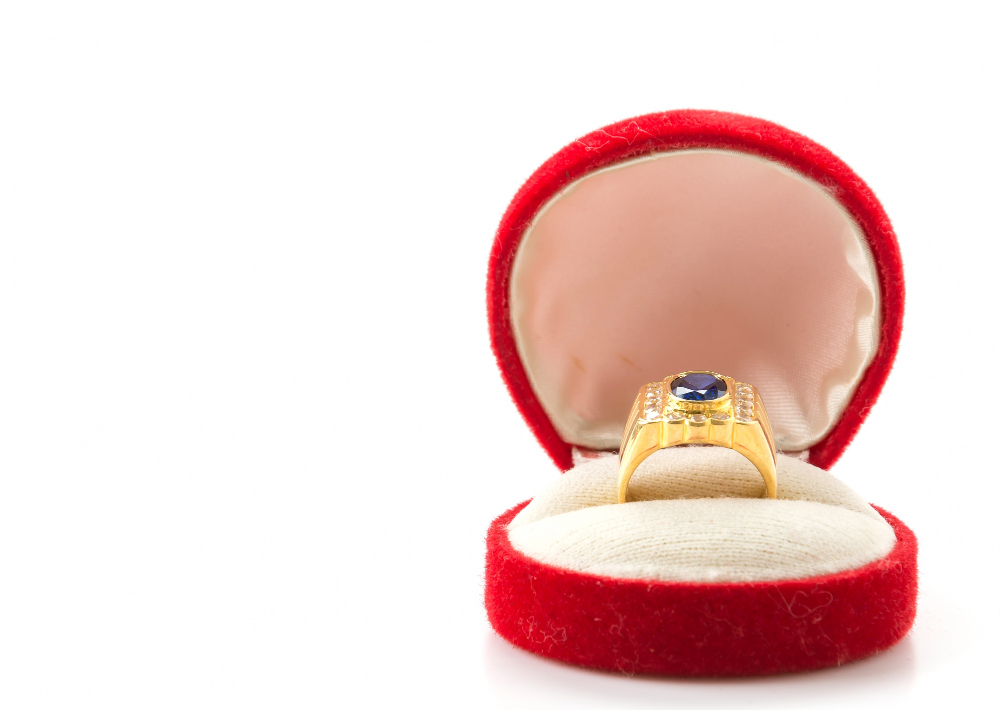
Pieces are counted and grouped by likely importance, maker, material, stone type, set, document, or family association so relationships are not lost.
Signatures, hallmarks, fineness marks, serials, model details, construction, and comparison references are reviewed together. A signature alone is not sufficient.
Design, setting technique, metalwork, gemstone cuts, closures, findings, wear, and known production history may support a period attribution.
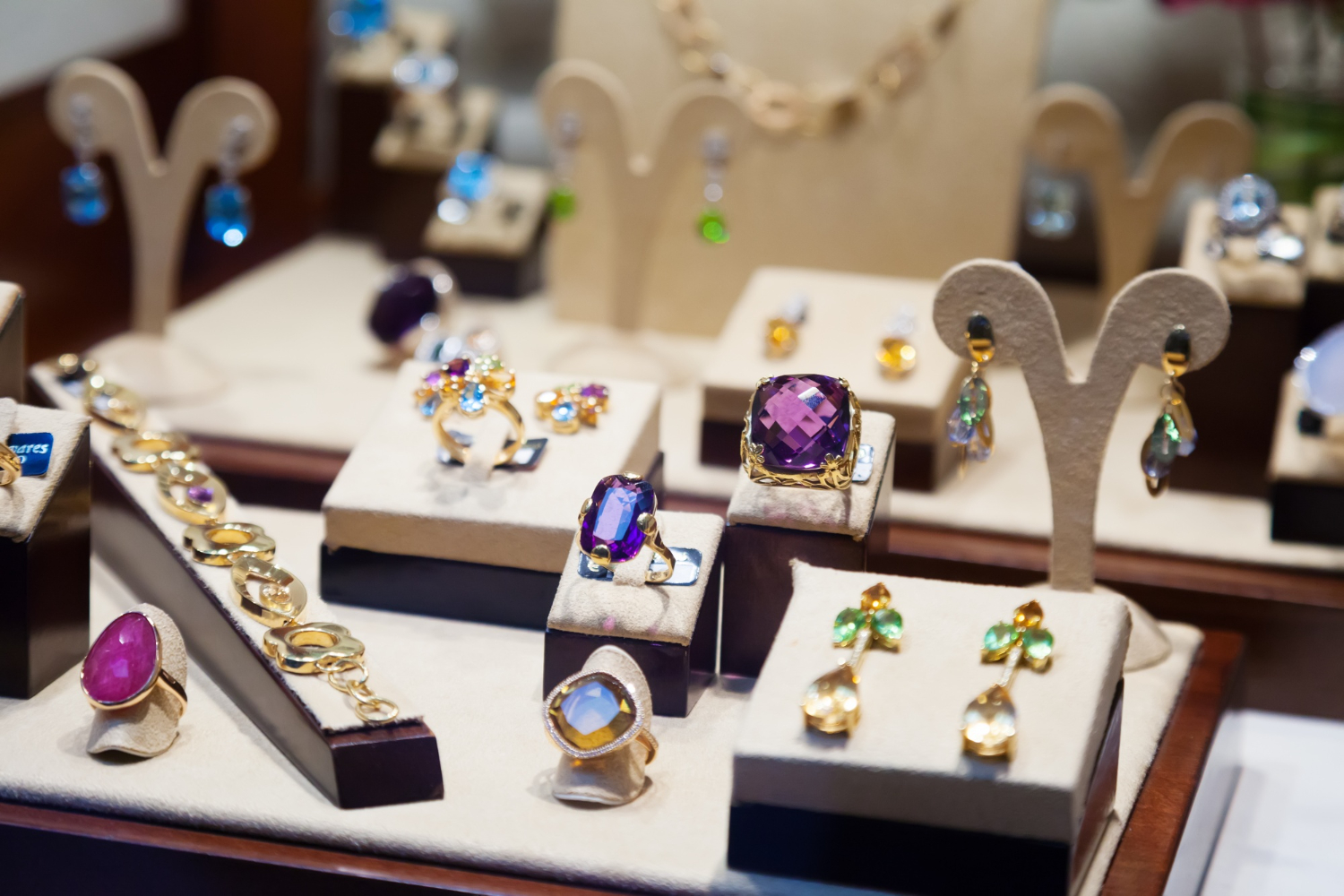
Diamonds, colored gemstones, and pearls are considered for identity, origin where relevant, treatment, quality, condition, matching, reports, and marketability.
Repairs, resizing, replaced stones, converted components, altered clasps, missing parts, enamel loss, worn settings, over-polishing, and restoration can affect originality and cost.
Matching pairs, suites, original clasps, boxes, pouches, receipts, photographs, spare components, and related pieces may support resale and identification.
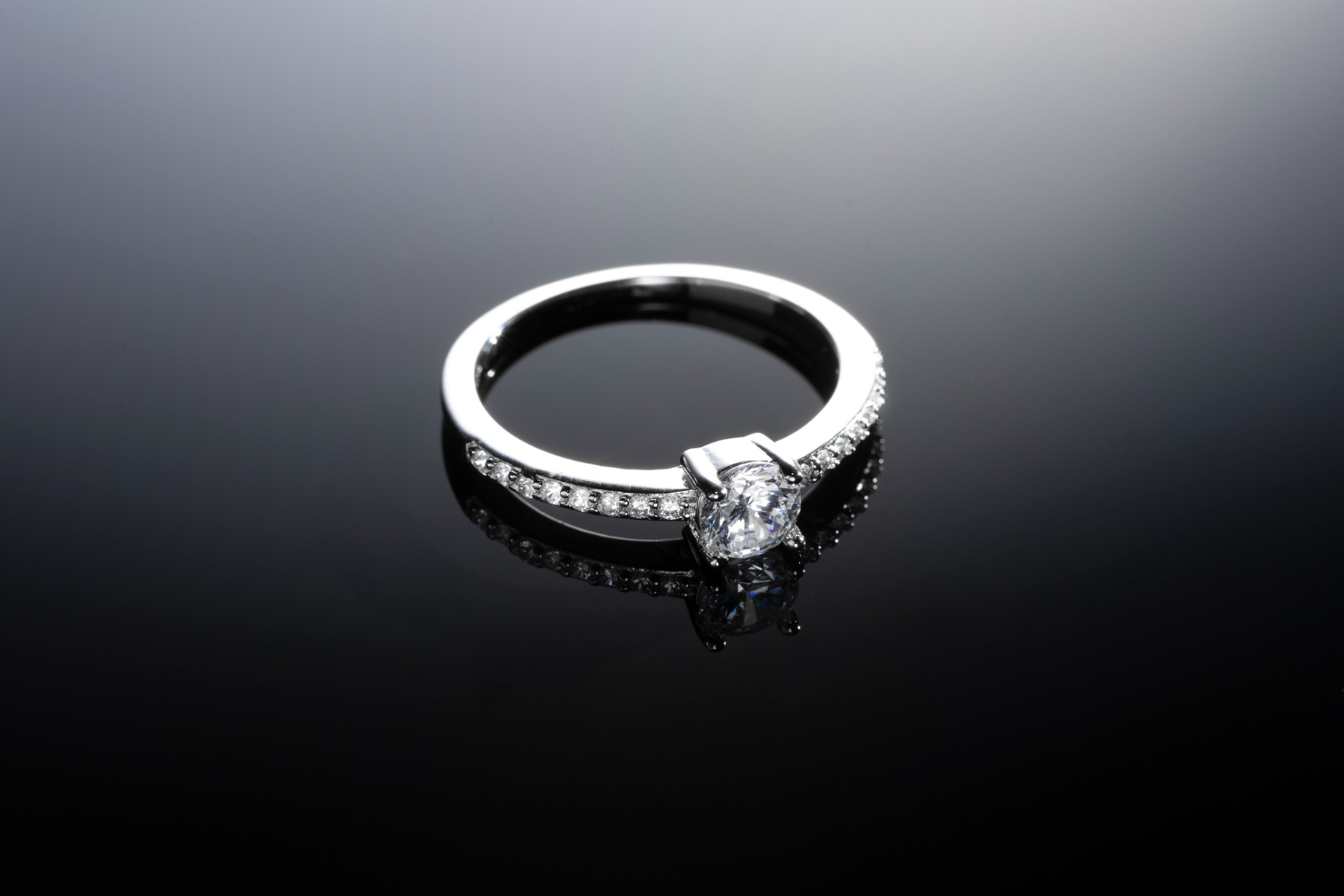
Credible records tied to the specific item can matter. A family story is helpful context, but documentary support is needed before a historic ownership claim is priced as proven provenance.
Each piece is considered for designer, period, collector, complete-piece, gemstone, component, or metal value, with time and liquidity in mind.
Important signed, period, gemstone, and complete pieces are separated from material-led items so you receive fair market consideration across your entire collection.

These illustrative examples demonstrate how different estate jewelry items require distinct, specialized evaluation methodologies rather than an oversimplified scrap metal calculation:
The piece is authenticated and evaluated for brand prestige, model demand, condition, completeness, and secondary retail market demand well before any raw metal weight calculation.
Pierced platinum construction, authentic 1920s age, old European cut diamond color/clarity, fine milgrain, and condition determine value for specialized antique collectors.
Pearls and clasp require separate but coordinated analysis: pearl luster, nacre, matching, and natural vs. cultured identity are paired with the diamond clasp’s independent market value.
When no maker mark, collectible period interest, reusable gemstone, or intact resale potential remains, electronic XRF precious-metal recovery provides the most efficient payout.
Important Educational Notice: These examples illustrate evaluation logic only. They do not constitute formal appraisals, price guarantees, or evidence of specific past transactions. Every estate piece is evaluated on its individual gemological and market merits.
Understanding the defined legal, insurance, and commercial purposes of different jewelry valuations protects your interests and sets realistic financial expectations:
Determines what a professional buyer is prepared to pay immediately for outright purchase based on live secondary market liquidity.
Estimates the highest retail cost to replace an item with new modern equivalent under defined insurance policy assumptions.
Determines Fair Market Value (FMV) as of a specific date of death for IRS tax compliance, probate filings, and estate reporting.
Supports legal division among heirs, divorce settlements, or trust distributions under court-approved valuation standards.
Estimates anticipated low-to-high hammer range subject to audience interest, seller fees (20%–40%), and reserve minimums.
Advisory Note: The no-obligation evaluation on this page is for a potential purchase. When you require a formal written appraisal for legal, tax, probate, or insurance scheduling, consult an independent certified appraiser.
Selecting the right channel depends on whether you prioritize immediate payout security, specialized collector competition, or legal documentation:
In-person physical evaluation, immediate itemized offer separating fine pieces from scrap, and guaranteed same-day payment with zero commissions, listing fees, or shipping risks.
How were significant signed and period pieces separated from scrap metal? What is the offer basis and timing?
May suit rare, museum-grade, historic, or strongly documented pieces where competitive international bidding drives prices up.
What are the estimate, reserve, seller commission, insurance, catalog photography, and unsold lot fees?
Exposes the piece to retail shoppers in luxury boutiques when you can wait 2–6+ months for a retail transaction.
What are the commission rate, contract term, markdown policy, repair terms, and payout timeline upon sale?
Seller sets the target asking price and controls negotiations when a verified private collector or family buyer is identified.
How will you authenticate, price, insure, ship, handle payment, prevent fraud, and manage returns safely?
Required when formal estate administration, probate court filing, tax reporting, or legal division mandates an independent appraisal report.
Is the appraiser certified (e.g. ASA, ISA, NAJA), independent, properly scoped, and free of undisclosed buying conflicts?
Our four-stage evaluation is conducted in-person at our Manhattan Diamond District office with complete transparency and zero obligation to sell.
Call ahead for a collection and share the approximate number and types of items without sending sensitive identity or legal documents.
Bring pieces, matched sets, boxes, reports, repair records, and family notes together. The team reviews marks, materials, stones, age clues, condition, and documentation.
Important signed, period, gemstone, and complete pieces are distinguished from component-led or metal-led items.
Ask how significant pieces were considered, what the offer includes, and what transaction requirements apply. Accept or decline without obligation.
Follow these 6 essential guidelines to protect fragile antique pieces and preserve documentation:
Avoid ultrasonic cleaning, harsh chemicals, or vigorous polishing. Fragile antique settings, enamel, pearls, patina, and faint hallmarks can be irreversibly damaged.
Keep original boxes, pouches, receipts, older appraisals, laboratory reports, repair envelopes, photographs, letters, and family notes with the item described.
Matching earrings, suites, detachable elements, spare links, loose stones, clasps, and watch/jewelry parts retain significantly higher value when kept complete.
Assign numbers, take overview photographs, note visible marks, and record which family member or document is associated with each piece.
Set aside pieces with profound family emotional significance before discussing commercial sale options so you can evaluate remaining items objectively.
When jewelry is held by an estate, trust, guardianship, or multiple heirs, obtain appropriate executor authorization and bring required legal documentation.
A collection should be evaluated together, but significant pieces should never be buried in a single bulk lot:
Were significant period, signed, or gemstone pieces evaluated individually rather than combined into an averaged group rate?
Are complete matched suites, original maker boxes, and documentary records paired with the correct corresponding pieces?
Is the final purchase offer transparently itemized across distinct fine jewelry categories versus material scrap weight?
In the diamond and jewelry industries, our professionals have a combined total of over 25 years of expertise. We consequently give each and every one of our customers a competent and secure service.

Head of Precious Metals

Head of Fine Jewelry

Head of Watches

Head of Diamonds & Precious Stones
No. Estate jewelry generally means previously owned jewelry. It may be inherited, purchased secondhand, collected, gifted, contemporary, vintage, or antique.
No. Antique jewelry is more than 100 years old under the definition used here. Estate jewelry can be contemporary, vintage, or antique.
Only an authorized owner or representative should complete a sale. Authority and required documents depend on the facts and applicable law, so obtain legal guidance and call before visiting. This page is not legal advice.
Yes, the team can review collections as well as single pieces. Call ahead, keep related items and documents together, and create a simple inventory for a large group.
Usually not. Cleaning, polishing, restringing, repairing, or replacing parts can damage fragile materials or alter evidence of age and originality. Bring the pieces as found unless a qualified conservator recommends otherwise.
They can support identification, completeness, and provenance when they can be tied to the specific item. They do not automatically prove authenticity or guarantee a premium, but they should be preserved.
The item can still be evaluated. Construction, materials, style, wear, stones, repair history, and documentary context may provide useful evidence even when a mark is unclear.
No. Insurance appraisals often use replacement-value assumptions and an earlier effective date. A purchase offer reflects the buyer, item, market, condition, and transaction at the time of evaluation.
Yes. Missing stones, broken clasps, single earrings, worn settings, altered pieces, and fragments can still have maker, gemstone, component, or precious-metal value.
A family member or adviser can generally attend if that is helpful, subject to the office’s scheduling and privacy procedures. The person completing a transaction must satisfy ownership, authority, identification, and record requirements.
Timing depends on the number of pieces, documentation, condition, marks, gemstones, and whether additional research is appropriate. Call ahead for a collection so enough time can be reserved.
No. You can ask questions, decline, seek another offer, retain sentimental pieces, or obtain a formal appraisal or auction opinion for a different purpose.
Buyers of NYC is located at 36 W 47th Street, Booth W07, New York, NY 10036, in Manhattan’s Diamond District. Current published hours are Monday – Friday: 10:00 AM – 6:00 PM. Appointments are preferred and walk-ins are welcome during published hours.
36 W 47th Street, Booth W07
New York, NY 10036
(Between 5th & 6th Avenues)
Monday – Friday: 10:00 AM – 6:00 PM
Appointments preferred; walk-ins welcome
Phone: 646-400-4553
Email: buyersofnyc1@gmail.com
For multi-piece estate jewelry collections, multi-item lots, or vintage/antique pieces, calling 646-400-4553 in advance reserves dedicated appraisal time with our senior estate specialists.
Describe your estate jewelry, inherited pieces, vintage or antique items, and any accompanying boxes or documents. Approximate details are welcome.
Privacy & Authority Notice: Do not upload sensitive legal documents, wills, trusts, or banking records. Authorized representatives only. Online submissions are preliminary and do not create a purchase offer or obligation to sell.