Every valuable item has its own combination of materials, condition, documentation, market demand and potential resale or recovery paths. Buyers of NYC reviews those factors to determine whether we may wish to purchase an item and, if so, what we may offer.
Our purchase evaluation is free and carries no obligation to sell. It is designed for people considering a direct sale; it is not a formal appraisal for insurance, estate, tax, legal or charitable-donation use.
Located at 36 W 47th Street, W07, in Manhattan’s Diamond District. Appointments are preferred and walk-ins are welcome during published business hours.
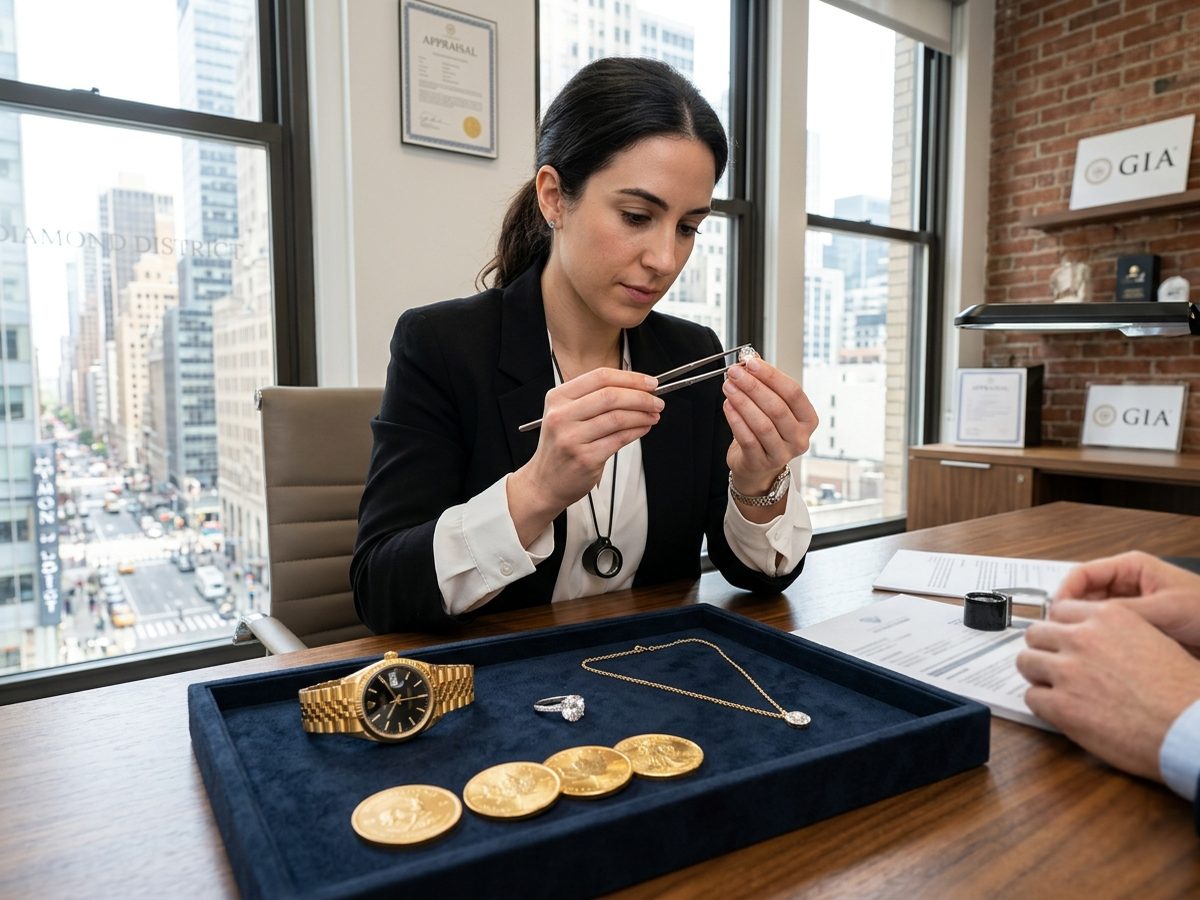
A person who wants to sell a broken gold chain needs a different analysis from someone selling a signed estate necklace, a laboratory-graded diamond, a collectible coin or a vintage luxury watch. The first step is not to force every item into one formula. It is to identify what the item is, what parts of it may carry value, and which market or recovery route is most appropriate.
A purchase evaluation answers a practical question: does Buyers of NYC wish to buy this item, and what may it offer based on the information available? That answer can reflect the item’s materials, quality, originality, condition, completeness, documentation, current demand, liquidity, processing needs and risk. It can differ from the amount originally paid, an insurance schedule, a retail replacement estimate, an auction estimate or a formal fair-market-value appraisal.
We identify the item, review its condition and supporting evidence, choose the most appropriate valuation route, consider relevant market conditions, and decide whether to present a purchase offer. You may ask questions and accept or decline the offer.
The same high-level process applies across the categories we buy, but the details change. Precious-metal content may be central to one item and secondary to another. A complete signed bracelet may be evaluated for resale as jewelry before anyone considers its metal content. A bullion coin may be evaluated primarily by weight and fineness, while a rare coin may require numismatic review. A watch may depend heavily on its reference, configuration, originality and condition.
Material, purity or fineness, applicable weight and construction.
Complete-item resale, recoverable metal or collectible premium.
Issuer or mint, type, date, weight, fineness, condition and packaging.
Bullion, numismatic or collectible market.
Origin, 4Cs, shape, treatments, condition, report and mounting.
Loose-stone market, complete jewelry, recut or component route.
Identity, origin, treatments, color, clarity, cut, size, matching and condition.
Loose-stone, matched set, complete jewelry or component route.
Materials, maker, period, workmanship, stones, condition and completeness.
Complete-piece, signed-brand, collector, component or metal route.
Brand, model, reference, configuration, movement, originality, condition and accessories.
Complete-watch, vintage, parts or material route.
Ask each buyer whether the item is being evaluated as a complete piece, a collectible or brand item, bullion, a gemstone, a source of components, or recoverable metal. Comparing the same valuation route is more useful than comparing unexplained totals.
Every item brought to our Manhattan Diamond District office undergoes a structured, step-by-step evaluation designed for transparency, accuracy, and clear communication:
Tell us whether you are considering an outright sale, comparing buyer offers, organizing an inherited collection or trying to understand whether an item fits the categories we buy. If you actually need a written appraisal for insurance, probate, taxation, litigation, charitable donation or another formal purpose, say so before the appointment; that is a different service from a buyer’s purchase evaluation.
We begin with the item category, materials, quantity, visible marks, maker or brand, model or reference when relevant, measurements, components and accessories. For collections, a basic inventory can help keep sets, matched pieces, boxes, reports and loose components together.
Condition can include wear, damage, missing parts, repairs, alterations, polishing, replacement components, chips, broken clasps, stretched bracelets, surface changes or other features that affect marketability. Construction also matters: solid precious metal is not the same as plated, filled or vermeil material, and a complete collectible object is not automatically scrap.
Bring available laboratory reports, receipts, boxes, warranty cards, assay packaging, service records, prior appraisals, certificates, spare links, original parts and credible provenance. These materials may support identity, history or completeness. They do not replace inspection of the physical item, and an older value conclusion may not reflect the current market or the same intended use.
The team considers whether the item is best evaluated as a complete piece, a signed or branded item, a collectible, bullion, a numismatic coin, a loose stone, a source of useful components or recoverable precious metal. Choosing the right route helps avoid reducing a marketable item to only one component of value.
Market review may include current precious-metal references, demand for a particular diamond specification, recent activity for a watch reference, collector interest in a coin or signed piece, treatment and condition expectations, liquidity, and the costs or risk involved in preparing the item for its likely market.
If Buyers of NYC wishes to purchase the item, we may present an offer and explain the principal factors behind it. You can ask questions, compare the offer with your goals and accept or decline. A completed transaction may require valid identification, signatures and item records under applicable law.
The same high-level process applies across the categories we buy, but the details change based on intrinsic materials, craftsmanship, and market liquidity:
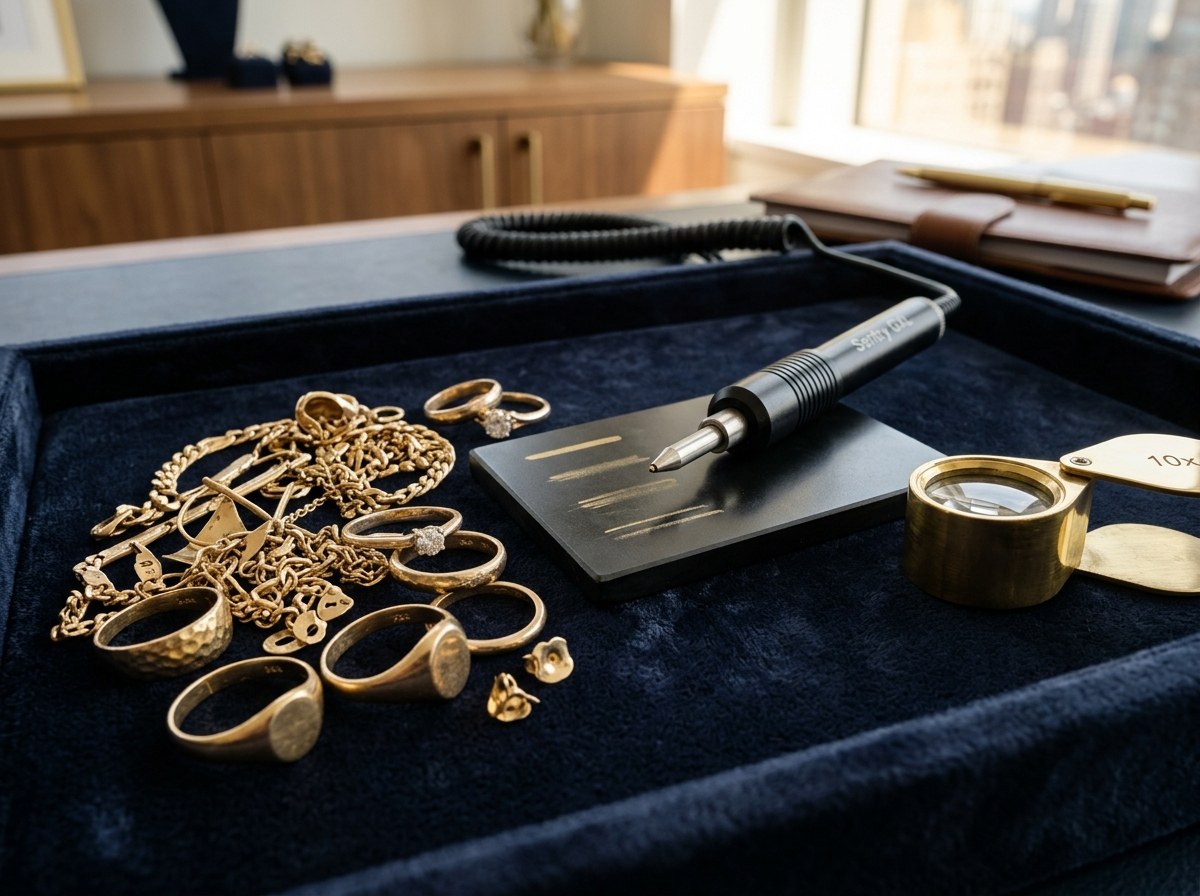
Gold, silver, platinum and palladium items may require review of material, purity or fineness, applicable troy or metric weight, construction, non-precious components and condition. Hallmarks are useful starting points, but marks and appearance may need to be reconciled with the physical item. The team should also determine whether the object has value beyond recoverable metal because of its maker, design, stones, condition, collectibility or use as a complete piece.
When metal content is the principal route, a current market reference is only one part of the analysis. The amount of recoverable precious metal, processing requirements, liquidity, risk, and the buyer’s costs can also affect an offer. New York City rules require businesses buying used precious metals to use an appropriate scale and inform the seller of the troy weight when the transaction is weight-based.
Bullion products are commonly reviewed by issuer or refiner, type, stated weight, fineness, authenticity indicators, packaging, condition and current precious-metal markets. Coins can require an additional decision: is the item primarily bullion, or could it have collector value based on date, mint, variety, rarity, grade, surfaces, certification or demand? Cleaning a collectible coin can permanently reduce collector appeal, so bring coins as found.
Diamond review may consider whether a stone is natural or laboratory-grown, carat weight, color, clarity, cut quality where applicable, shape, proportions, polish, symmetry, fluorescence, treatments, condition, laboratory documentation, mounting limitations and current demand. A grading report describes quality characteristics; it is not itself a monetary appraisal or purchase offer. Mounted stones may be evaluated to the extent the setting permits, and some conclusions may require removal or independent laboratory work that is outside a routine purchase evaluation.
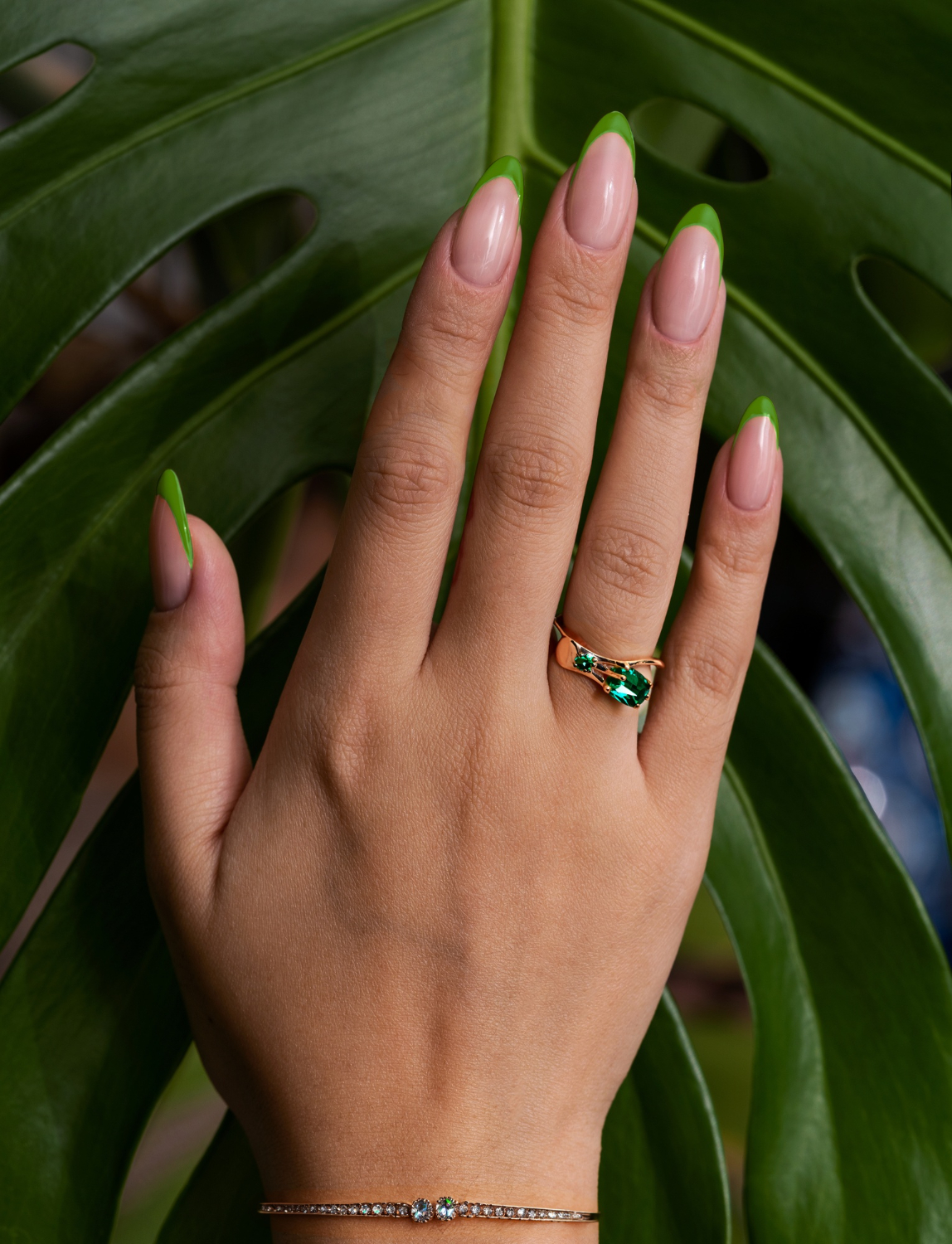
Colored gemstones can depend on identity, natural or laboratory-grown origin, treatments, color, tone and saturation, clarity, cut, measurements or weight, condition, matching, supporting reports and market demand. Geographic origin should not be claimed without reliable evidence. Pearl evaluation can consider type, size, shape, color, luster, surface quality, nacre, matching, drilling, strand condition and clasp or brand. Mounted stones and pearls may have inspection limits.
A jewelry item can combine precious metal, diamonds, colored stones, pearls, workmanship, period design, maker attribution and brand demand. We review visible marks, construction, materials, stone setting, repairs, alterations, missing parts, completeness, boxes and documents. Estate jewelry means previously owned jewelry; age alone does not guarantee value. A broken piece may still have complete-item, component or material value, while a signed or period piece may deserve review before any scrap route is considered.
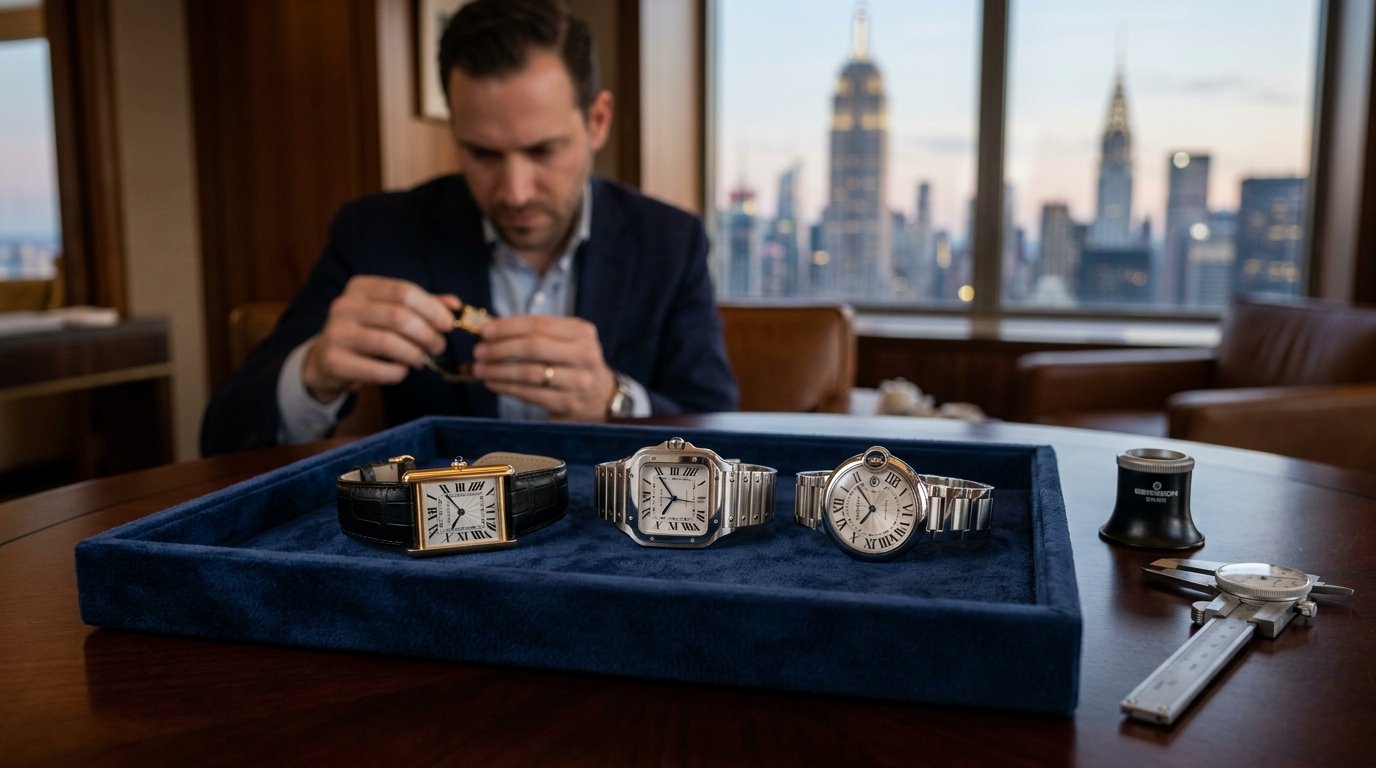
Luxury-watch review may include manufacturer, model family, reference, production context, case material, dial, hands, bezel, crown, crystal, bracelet, clasp, movement, function, condition, service history, originality, genuine service-replacement parts, aftermarket components, box, papers, tags and spare links. Polishing, refinishing, missing links, replacement dials or bezels, non-running movements and incomplete sets can affect marketability differently by reference and age.

There is no responsible universal payout formula for every item on this site. A buyer may consider the most realistic route for the item, the market in which it can be sold, current demand, expected time to sell, condition, service or processing needs, authenticity and return risk, transaction and compliance costs, and the information available at the time of review. The original retail price can be useful history, but it does not dictate a current resale offer.
For metal-focused items, weight and fineness can be measurable inputs, but stones, non-precious components, collectible features and processing still matter.
For branded jewelry and watches, market demand and configuration may matter more than metal content alone.
For diamonds and gemstones, small differences in quality, treatment, origin, condition or documentation can change the available market.
Proper preparation protects your valuables, streamlines inspection, and ensures you receive full value for all components and documentation:
Bring all associated materials and avoid pre-cleaning to preserve natural condition and collector appeal.
Bring loose components, broken parts, original links, straps, clasps, or removed stones to ensure complete evaluation.
Laboratory reports (GIA, IGI), grading dossiers, assay packaging, purchase receipts, warranty cards, and service records.
Brand presentation boxes, pouches, booklets, serial tags, and manufacturer certificates when available.
A simple inventory to keep sets together. Valid government photo ID is required by law if you decide to complete a sale.
Never polish watches or chemically dip coins. Cleaning destroys natural coin luster and removes factory case bevels, reducing collector value.
Asking these 7 essential questions clarifies what an offer actually includes and protects you from hidden deductions.
Ensures complete signed pieces or rare coins are evaluated for secondary market value rather than raw scrap metal.
Clarifies whether gemstones, designer settings, or extra links contribute to the total cash payout.
Provides transparency into how wear, aftermarket parts, or missing documents shaped the offer.
Distinguishes guaranteed cash today from contingent auction estimates or non-guaranteed consignments.
Protects you from hidden fees, refinery charges, return costs, or payment conditions.
Clarifies whether precious-metal spot fluctuations or market timing affect the offer validity.
Confirms compliance with NYC Department of Consumer and Worker Protection secondhand dealer rules.
What Can Limit an Evaluation? A final conclusion can be limited by photographs, a closed watch case, mounted stones, sealed packaging, incomplete records, missing components, uncertain treatments, altered marks, safety concerns, or a need for specialized laboratory analysis. When the available information is insufficient, the responsible answer is to explain the limitation or decline to make a final conclusion until more information is available.
Visit our Manhattan Diamond District office to meet with our GIA-trained gemologists and experienced jewelry specialists for a private, no-obligation evaluation.

Head of Precious Metals

Head of Fine Jewelry

Head of Watches

Head of Diamonds & Precious Stones
No. A purchase evaluation helps Buyers of NYC decide whether it may purchase an item and what it may offer. A formal appraisal is a separate assignment prepared for a defined intended use, value concept, effective date, scope and report.
The recommended service has no evaluation fee and no obligation to accept an offer. A separate formal written appraisal, if ever offered, should have its own scope and fee terms.
Photographs can help determine whether an item fits the service and prepare for an appointment. They may not show materials, treatments, damage, originality, weight, movement condition or other facts needed for a final purchase decision.
Not always. Bring anything you have because documents and accessories can support identity, history or completeness. The item still needs to be reviewed on its own.
No. Original retail price may reflect a different time, market, markup, tax, financing, service or replacement context. A purchase offer considers the item and current direct-sale market.
Potentially. Broken or incomplete items may have complete-piece, component, gemstone, parts or recoverable-metal value depending on the category and condition.
The team reviews identity and authenticity indicators relevant to a purchase decision. Do not treat that internal review as an official manufacturer certificate, laboratory report or absolute guarantee.
When a purchase is based on used precious-metal weight, applicable NYC rules require an appropriate scale and disclosure of troy weight. The team must also determine what portion of the item is relevant to that calculation.
Bring it as supporting information. A prior appraisal may have been prepared for a different purpose, market and date, so it does not automatically determine a current purchase offer.
No. You may ask questions and accept or decline any offer. A completed sale remains subject to identification, ownership, recordkeeping and other transaction requirements.
Buyers of NYC is located at 36 W 47th Street, Booth W07, New York, NY 10036, in Manhattan’s Diamond District. Current published hours are Monday – Friday: 10:00 AM – 6:00 PM. Appointments are preferred and walk-ins are welcome during published hours.
36 W 47th Street, Booth W07
New York, NY 10036
(Between 5th & 6th Avenues)
Monday – Friday: 10:00 AM – 6:00 PM
Appointments preferred; walk-ins welcome
Phone: 646-400-4553
Email: buyersofnyc1@gmail.com
For high-value jewelry, diamonds, gold, bullion, gemstones, and luxury watches, signed designer pieces, or estate collections, calling 646-400-4553 in advance ensures dedicated evaluation time with our GIA-trained specialists.
Tell us what you have, bring available documents and accessories, and request a time to visit our Manhattan Diamond District office. We will determine whether the item fits the categories we buy and explain the next step. There is no obligation to accept a purchase offer.
Privacy & Safety Notice: Bring the item, related documents and valid identification if you plan to complete a transaction. Do not upload identification or sensitive ownership documents through the public form.