
Sell gold, silver, platinum and palladium through a clear, item-specific purchase-evaluation process at Buyers of NYC. Our team reviews precious-metal jewelry, coins, bars, bullion, scrap and mixed collections at our Manhattan Diamond District office.
An evaluation is free and carries no obligation to sell. If Buyers of NYC is interested in purchasing an eligible item, the team may explain the principal factors considered and present an offer for you to accept or decline. Prefer to speak first? Call 646-400-4553 before bringing a large, heavy or unusual lot.
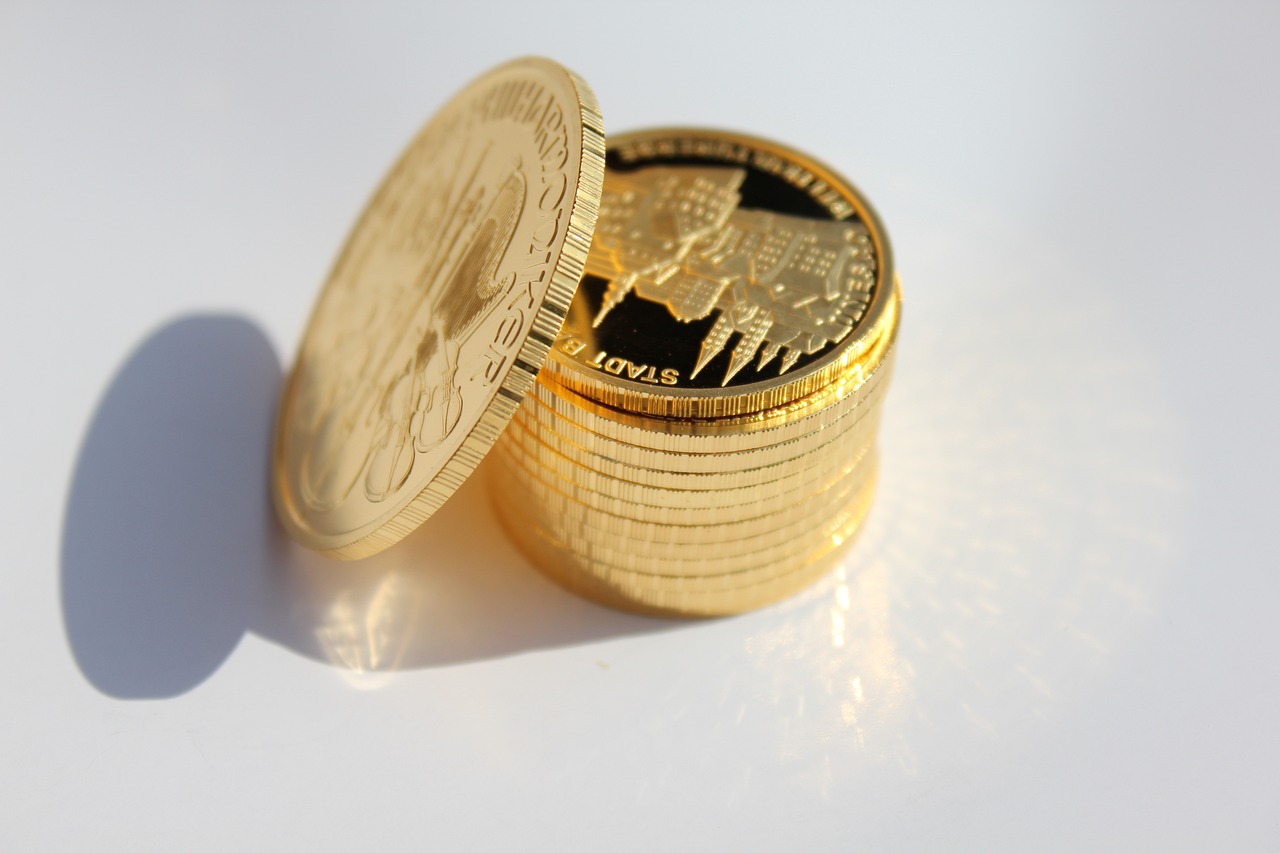
What the item is, which metal may be present, and whether it is solid, filled, plated, mixed or assembled.
Verified precious-metal-bearing weight and the fineness or purity that applies to that item.
Brand, gemstones, collector demand or a recognized bullion product may support a different route than melt value.
A free in-person purchase evaluation does not require you to accept an offer or complete a sale.
Precious-metal items vary widely in form, purity, and secondary market potential. Our specialists evaluate individual pieces, matched sets, high-volume accumulations, and multi-metal estate collections:
Fine jewelry (10K, 14K, 18K, 22K, 24K), sovereign gold coins (Eagles, Maples, Krugerrands, Pre-1933), minted & cast bars, bullion, scrap gold, dental gold, and mixed gold lots.
Explore Sell Gold in NYCSterling silver jewelry (.925), flatware services, hollowware, tea sets, silver bullion bars (1 oz to 100 oz), American Silver Eagles, 90% pre-1965 U.S. silver coinage, and silver rounds.
Explore Sell SilverPlatinum jewelry (Pt900, Pt950), bridal settings, diamond mountings, sovereign platinum coins (Platinum Eagles, Maple Leafs), and minted platinum bullion bars from accredited refiners.
Explore Sell PlatinumPalladium jewelry (Pd950), collectible palladium coins (American Palladium Eagles, Russian Ballerinas), and investment-grade palladium ingots evaluated for exact purity and fine weight.
Explore Sell PalladiumMinted wafers, cast bars, and poured ingots from recognized LBMA refiners (PAMP Suisse, Valcambi, Credit Suisse, Royal Canadian Mint, Engelhard, Johnson Matthey) in sealed assay cards or loose form.
Explore Sell Gold BarsInherited jewelry boxes, multi-metal coin albums, unmarked estate accumulations, dental gold, and diversified precious metal portfolios evaluated with structured itemized records.
Schedule Collection ReviewThe same precious metal can follow very different resale routes depending on its manufactured form. Before calculating weight or looking at raw spot prices, we establish exactly what the piece is:
Rings, chains, bracelets, brooches, flatware, and signed pieces evaluated for complete-piece resale, brand provenance, and gemstone value before considering recoverable metal content.
Sovereign bullion coins, circulating historic currency, proof sets, and commemoratives trade based on a combination of fine metal weight, mintage rarity, and active numismatic demand.
Coin-shaped bullion products produced by commercial mints evaluated for verified fine metal purity and weight without legal tender premiums.
Sealed wafers, minted ingots, and cast bars from accredited refiners evaluated for physical density, assay packaging integrity, and immediate wholesale liquidity.
Tangled chains, single earrings, damaged mountings, and dental scrap evaluated purely on net recoverable fine metal content with zero aesthetic deductions.
Grain, casting shot, filings, sweeps, dental gold, and laboratory platinum lots. Please call 646-400-4553 prior to transport for specialized intake coordination.
Not every item in a category will necessarily receive an offer. Acceptance depends on identification, condition, quantity, verification results, documentation, and current secondary market liquidity. All physical evaluations are 100% free with zero obligation to sell.
An item-specific purchase evaluation considers several distinct layers of information together to establish fair market value:
What is the item, which metal may be present, and is it solid, filled, plated, hollow, weighted, mixed, or assembled with nonmetal components?
What is the verified precious-metal-bearing weight, and what fineness or purity applies across the total metal content?
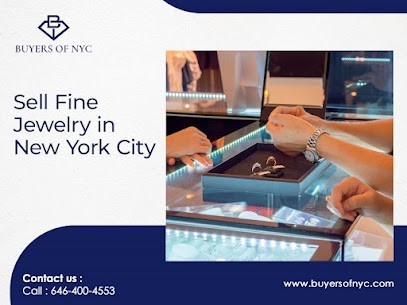
Does the item have brand, design, gemstone, antique, vintage, collectible, functional, or set value beyond the metal content alone?
Is a coin, round, or bar a recognized product with identifiable specifications, refiner credentials, and an established market?
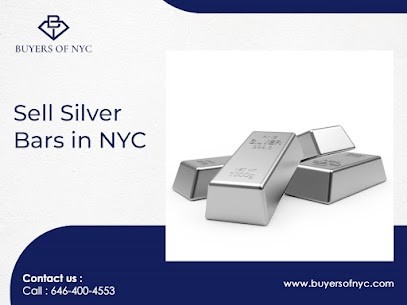
Are stones, components, original packaging, assay cards, receipts, documents, matching pieces, or accessories present?
What relevant precious-metal spot indices, collector demand, fine jewelry markets, or bullion secondary spreads exist at the time of evaluation?
Would the item be considered as a complete piece, recognized bullion product, rare collectible, component lot, or recoverable metal?
We explain all calculation factors in plain language and present an immediate payment offer with same-day wire or check settlement and zero pressure.
For bullion and scrap pieces, this educational formula establishes net precious metal content. Gross weight can include gemstones, springs, solder, resin, or base-metal components. Recognizable coins, signed jewelry, and collectible items are evaluated for secondary market premiums beyond fine metal content.

A gold or silver color does not establish that an item is solid precious metal. Construction classifications describe exactly how much precious metal is present, where it is located, and how it is priced.
Our specialists conduct non-destructive metrological testing to verify true internal metallurgy without guessing or altering your pieces.
How an item is constructed determines the proportion of fine precious metal present:
Gold alloyed uniformly through the entire body of the metal at an identified karat (10K, 14K, 18K, 22K, 24K) or fineness.
A mechanically bonded layer of gold alloy over a base metal core (typically 1/10 or 1/20 10K/12K/14K GF).
A comparatively thin gold layer deposited on another material (marked GP, HGE, EP).
Sterling silver (.925) coated with gold under the applicable legal definition.
A silver alloy commonly marked 925, containing at least 92.5% fine pure silver.
A silver surface layer deposited over another base metal material (copper, brass).
A precious-metal alloy that may carry a metal and fineness mark (Pt900, Pt950, Pd950).
Sterling candlesticks, compotes, or hollow gold bangles filled with pitch, resin, cement, or lead for stability.
Marks such as 750, 585, 925, 950, Pt, or Pd are useful clues but can be worn, missing, altered, or counterfeit.
Precious metals are commonly measured in troy units. One troy ounce equals 20 pennyweights and 31.1034768 grams. This is different from the ordinary ounce used for many household goods.
Precious metal items, particularly jewelry and scrap lots, are frequently weighed in metric grams on certified scales.
Traditional jeweler’s unit of weight where 20 pennyweights (DWT) make up exactly one full troy ounce.
The universal international benchmark unit for measuring and trading all fine precious metals worldwide.
Ordinary avoirdupois ounce used for food and postal goods, which is approximately 10% lighter than a troy ounce.
Yes. A precious-metal item should not automatically be reduced to metal content before our team screens for other potentially relevant secondary market value:
Example: Signed jewelry, recognizable luxury houses, known silversmiths or established refiners.
Example: Diamonds, colored stones, pearls, watch movements, clasps or reusable parts.
Example: Rare coins, recognized varieties, certified pieces, vintage bars or original sets.
Example: Estate, antique, vintage, handcrafted or artistically significant pieces.
Example: Matched pieces, box, assay card, receipt, grading report, service records or provenance.
Example: Widely traded bullion coins, rounds or bars with verifiable specifications.
Compare the primary precious metals selling channels by speed, return, deductions, and transaction security before deciding how to proceed:
In-person physical evaluation by precious metal specialists, immediate definitive purchase offer explaining weight, fineness, and live market references, and guaranteed same-day payment with zero platform fees, commissions, or shipping transit hazards.
Which market reference (LBMA / COMEX) and specific time were used? Which weight (gross, metal-bearing, or net fine metal) and fineness factor were applied?
Can expose exceptional, historic, or numismatically rare coins and signed estate metalwork to multiple international bidders when timing is flexible.
What are the seller commissions (15%–30%), cataloguing fees, insurance costs, reserve policies, and payout settlement timelines?
Allows remote submission from home when local specialized precious metal buyers are unavailable in your geographic region.
Who covers fully declared transit insurance, what is the policy for returning declined lots, and are online quotes preliminary estimates or binding offers?
Simplifies acquiring another jewelry or bullion piece immediately when a retailer has the replacement inventory you desire in stock.
Is the trade allowance calculated separately from the replacement piece markup? Are both sides itemized transparently?
May preserve underlying precious metal ownership when temporary liquidity is needed from a licensed collateral lender.
What are the monthly interest rates, storage fees, default grace periods, and redemption procedures?
Our structured evaluation is conducted in-person at our Manhattan Diamond District office with complete transparency and zero obligation to sell.
Use the evaluation form or call with metal type, form, approximate quantity, condition, markings, and documents you know about.
Appointments are preferred; walk-ins welcome during weekday hours. Call ahead before transporting large or heavy lots.
Items are weighed, inspected, and verified against markings, documents, and known product characteristics via non-destructive testing.
The team screens for complete-piece, bullion-product, collector, or recoverable metal value together with current market conditions.
We explain the principal factors behind the offer. You may accept same-day payout or decline with zero obligation and zero fees.
Bring items as found. Do not scratch, file, drill, acid-test, melt or alter them at home:
Do not polish antique, signed or vintage pieces solely for an evaluation.
Keep stones, loose components, matching pieces, broken clasps, spare links and original parts together.
Receipts, grading reports, assay cards, boxes, service records, prior appraisals and inventory notes when available.
Group by category without discarding original envelopes, labels, holders or packaging.
Create a simple inventory for a large lot and call 646-400-4553 before transport.
Do not send government identification, banking details, serials, wills, trusts or sensitive records through the web form.
Ask these 6 critical questions before accepting any precious metal purchase offer:
Which market reference (LBMA / COMEX) and specific time were used to establish the baseline spot price?
Which weight was applied: gross bulk weight, precious-metal-bearing weight, or net fine metal weight?
Which fineness or karat purity percentage was used to calculate the recoverable fine precious metal?
Was the item considered as a complete piece, recognized bullion product, collectible, or recoverable scrap metal?
Were any refining fees, melting charges, assay deductions, or transaction commissions applied?
What are the final settlement method (same-day wire/check) and timing after all transaction requirements are satisfied?
A team of buyers reviews eligible gold, silver, platinum and palladium items at our Manhattan Diamond District office. Named credentials, staff counts and testing instruments are published only when verified.

Head of Precious Metals

Head of Fine Jewelry

Head of Watches

Head of Diamonds & Precious Stones
Buyers of NYC may consider gold, silver, platinum and palladium in eligible forms such as jewelry, coins, bars, bullion, scrap and mixed collections. Acceptance and any offer depend on the specific item and the company’s current purchasing needs.
Broken, incomplete and unmarked items may still be reviewed. Missing marks do not automatically mean an item has no precious-metal content, and a mark alone does not prove content.
No. Gold-filled and rolled-gold products use a bonded layer of gold alloy over another metal, while plated items use a comparatively thin surface layer. They should not be treated as solid gold of the same gross weight.
No. Sterling silver is an alloy commonly marked 925, while silver plate is a surface layer over another material. Construction should be identified before the item is valued.
Precious metals are commonly referenced in troy ounces, pennyweights or grams. The relevant weight should be identified clearly, including whether it is gross weight, precious-metal-bearing weight or fine metal weight.
A market reference can be one input, but it is not the same as an item-specific purchase offer. Product type, fineness, condition, authenticity, marketability, documents and the likely route can also matter.
Yes. Brand, gemstones, design, period, condition, completeness and resale demand may support a complete-piece or component evaluation before a recoverable-metal route is considered.
Do not scratch, drill, file, acid-test or melt an item at home. Avoid polishing antique or signed pieces and avoid cleaning collectible coins; bring them as found.
The team may review collections and mixed lots, but call before transporting a large, heavy or specialized holding so the visit can be planned appropriately.
Photographs and descriptions can help the team decide whether an item appears to fit a category and what to bring. A final offer generally requires inspection of the physical item and completion of applicable transaction procedures.
No. A purchase evaluation is free and carries no obligation to accept an offer.
Identification, seller signatures, ownership authority and transaction records may be required when a purchase is completed. Do not upload sensitive documents through the general inquiry form; the team can explain the appropriate transaction-stage process.
Buyers of NYC is located at 36 W 47th Street, Booth W07, New York, NY 10036, in Manhattan’s Diamond District. Current published hours are Monday – Friday: 10:00 AM – 6:00 PM. Appointments are preferred and walk-ins are welcome during published hours.
36 W 47th Street, Booth W07
New York, NY 10036
(Between 5th & 6th Avenues)
Monday – Friday: 10:00 AM – 6:00 PM
Appointments preferred; walk-ins welcome
Phone: 646-400-4553
Email: buyersofnyc1@gmail.com
For high-volume precious metals, multi-metal estates, or heavy bullion holdings, calling 646-400-4553 in advance reserves dedicated time with our senior precious metals specialists.
Describe your gold, silver, platinum, or palladium items, approximate weight, markings, format, and packaging.
Evaluation Policy: Identification, seller verification, and transaction records are required at purchase. Online submissions are preliminary for routing and do not constitute a binding purchase offer.